
Light
Bright Indirect Light
Requires bright, indirect sunlight or dappled shade; protect from scorching midday sun.
 Reference image
 Reference image
Plata Chin Cactus
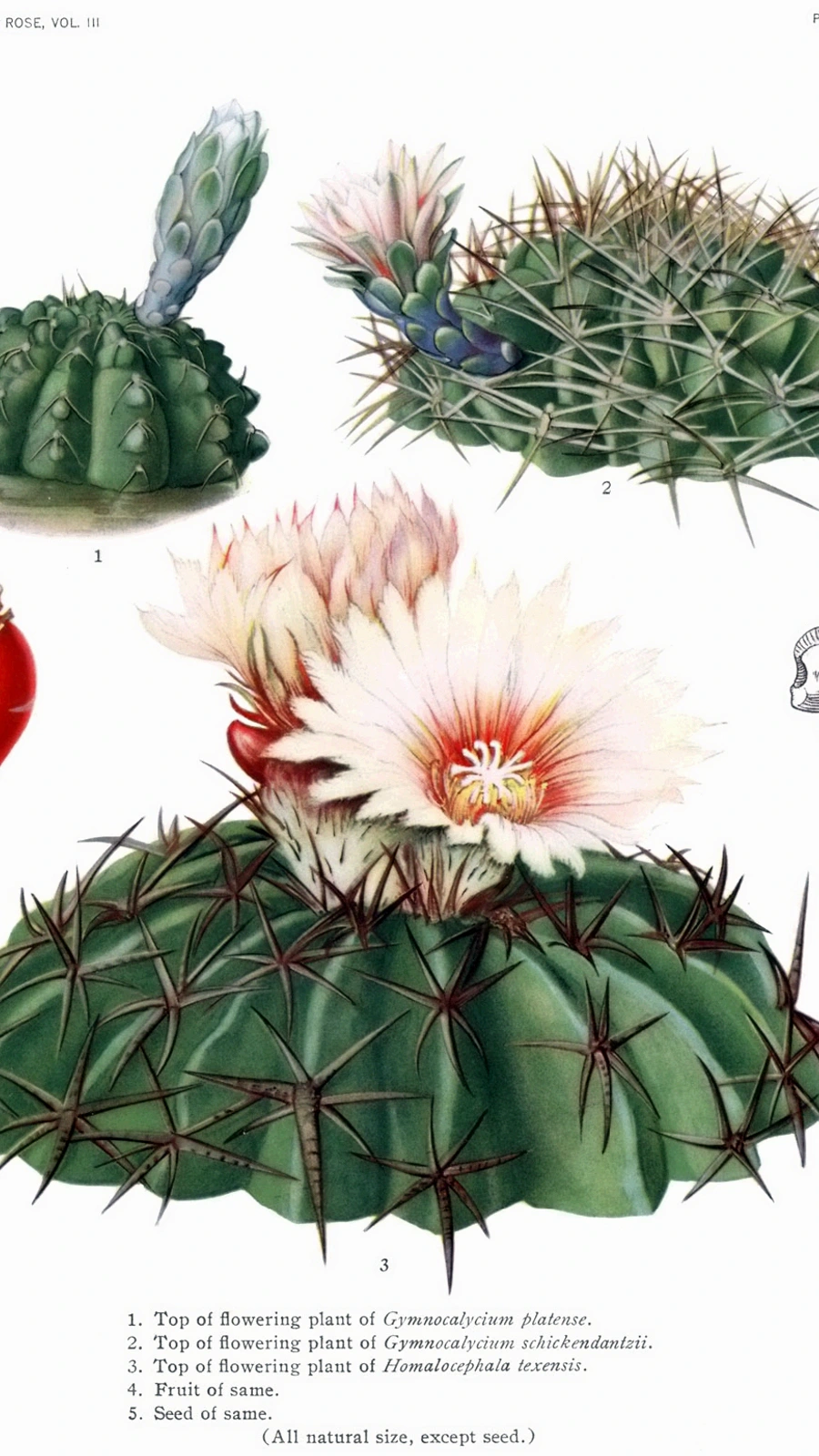
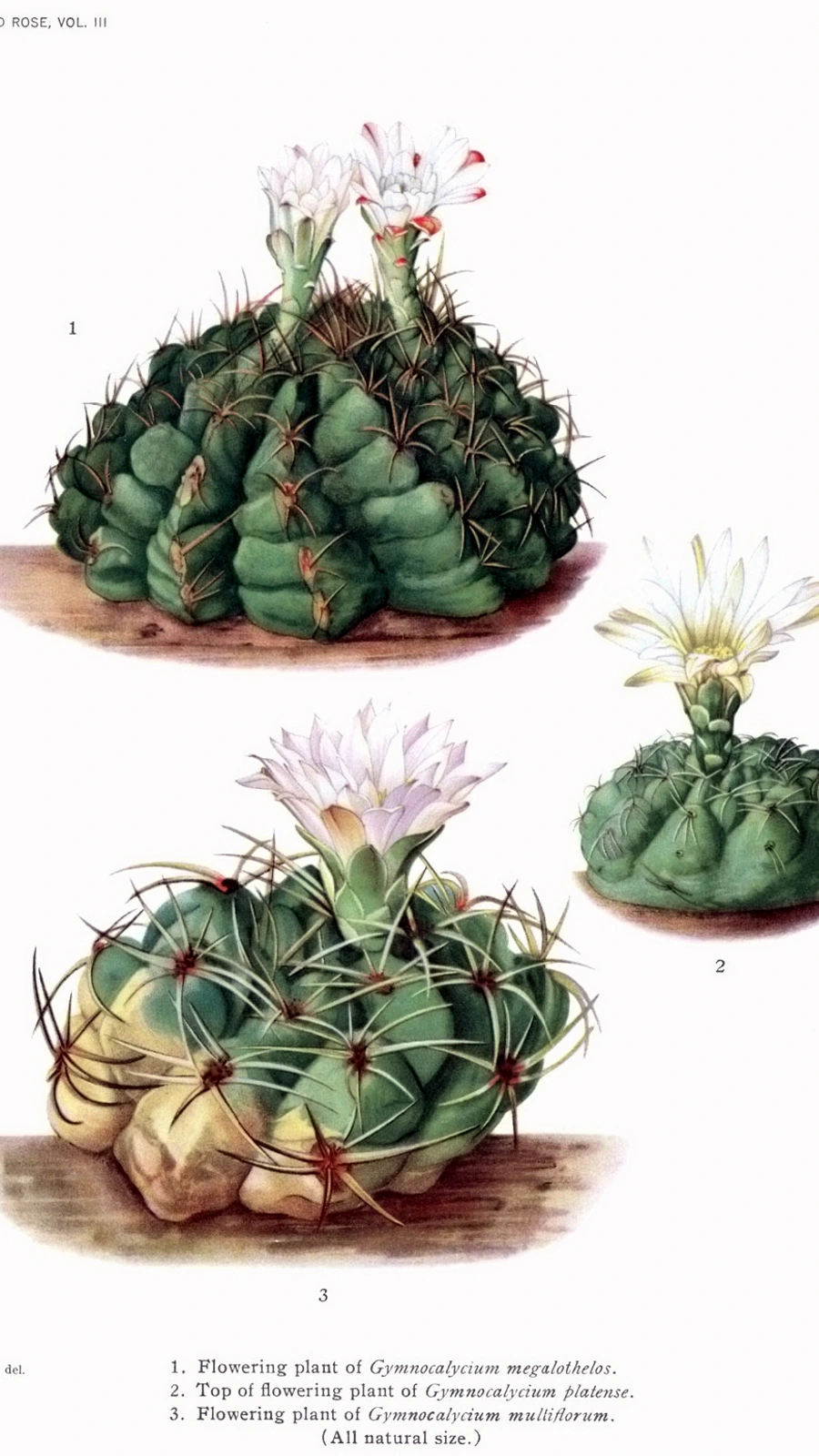
Gymnocalycium platense is a small, solitary globose cactus species from the family Cactaceae, highly appreciated by collectors for its attractive flattened-globular body and reliable flowering 1.
The generic name Gymnocalycium is derived from Greek words meaning 'naked calyx', referencing the characteristic hairless and scaleless flower buds 2. The specific epithet platense refers to its native presence around the Rio de la Plata region in South America.
This species is widely distributed across central and northern Argentina, including Buenos Aires, San Luis, and La Pampa provinces 1. It typically grows nestled in sandy-loam soils or rocky crevices under the protective canopy of shrubs.
The stem is grey-green, occasionally turning brownish-bronze under high light. It reaches up to 10 cm in diameter. It features small, neatly pressed spines and produces beautiful cream-white or pale pink funnel-shaped flowers from the apical meristem in summer.
It thrives in bright, filtered light and requires a highly mineralized, well-draining soil mix. Water thoroughly only when the soil has dried out completely. Overwintering should be dry and cool.
Excessive watering during the winter dormancy period is the primary cause of root rot. Lack of adequate airflow and low light can lead to etiolation and a weakened immune system.
Requires bright, indirect sunlight or dappled shade; protect from scorching midday sun.
Follow the 'soak and dry' method. Keep strictly dry throughout the winter months.
Mineral-rich soil mix with high mineral components like pumice, perlite, and coarse sand.
Non-toxic to cats and dogs, but features small spines that can cause mechanical injury if handled roughly.
An excellent beginner cactus due to its high drought tolerance and compact growth habit.
Naturally distributed in Argentina's grassy pampas and rocky hills. It typically grows under the shelter of taller grasses or xerophytic shrubs to protect itself from extreme midday sun.
