
Light
Filtered Sun
Prefers bright, indirect sunlight or dappled shade. Direct harsh midday sun can sunburn its flat body.
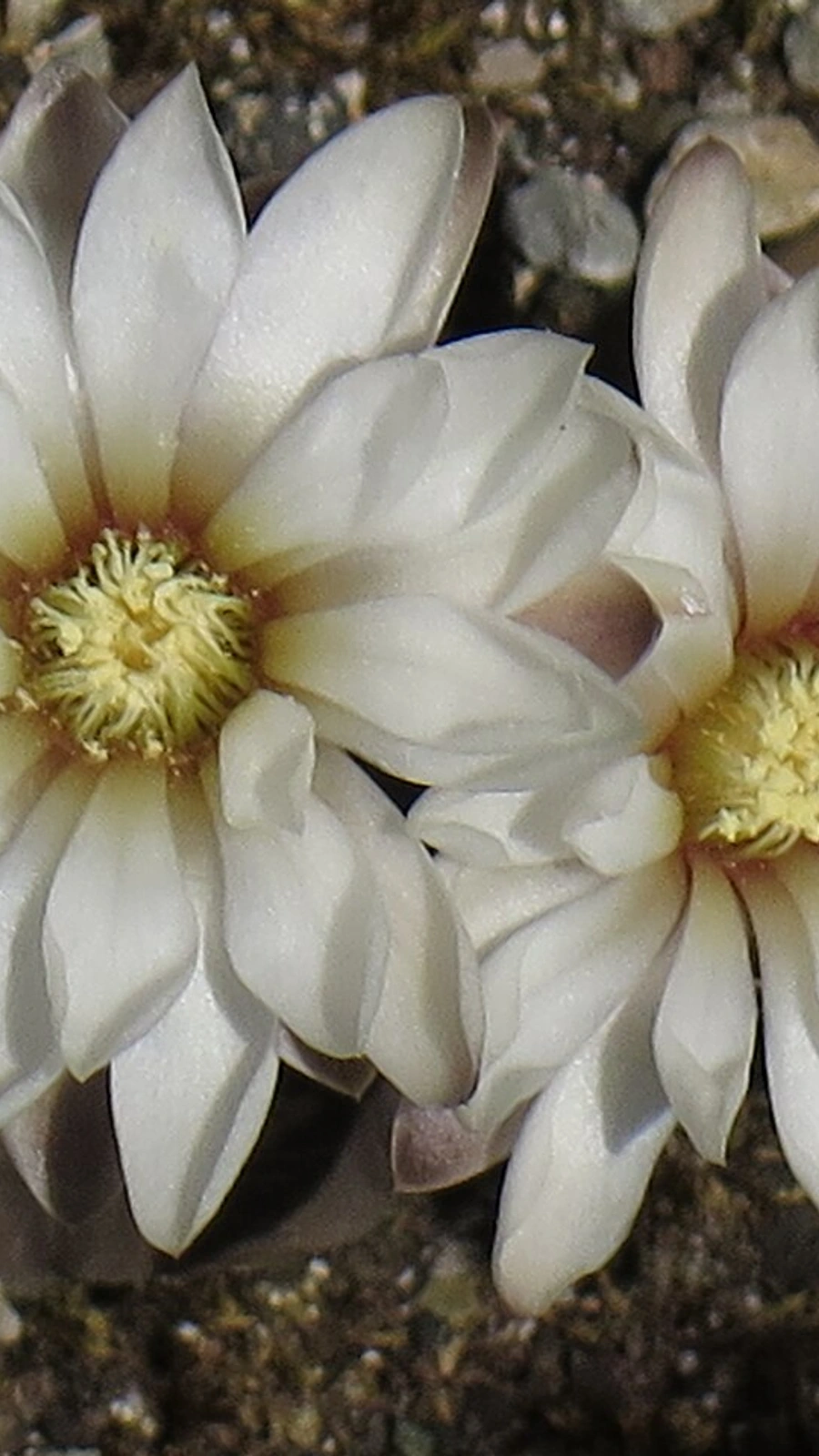
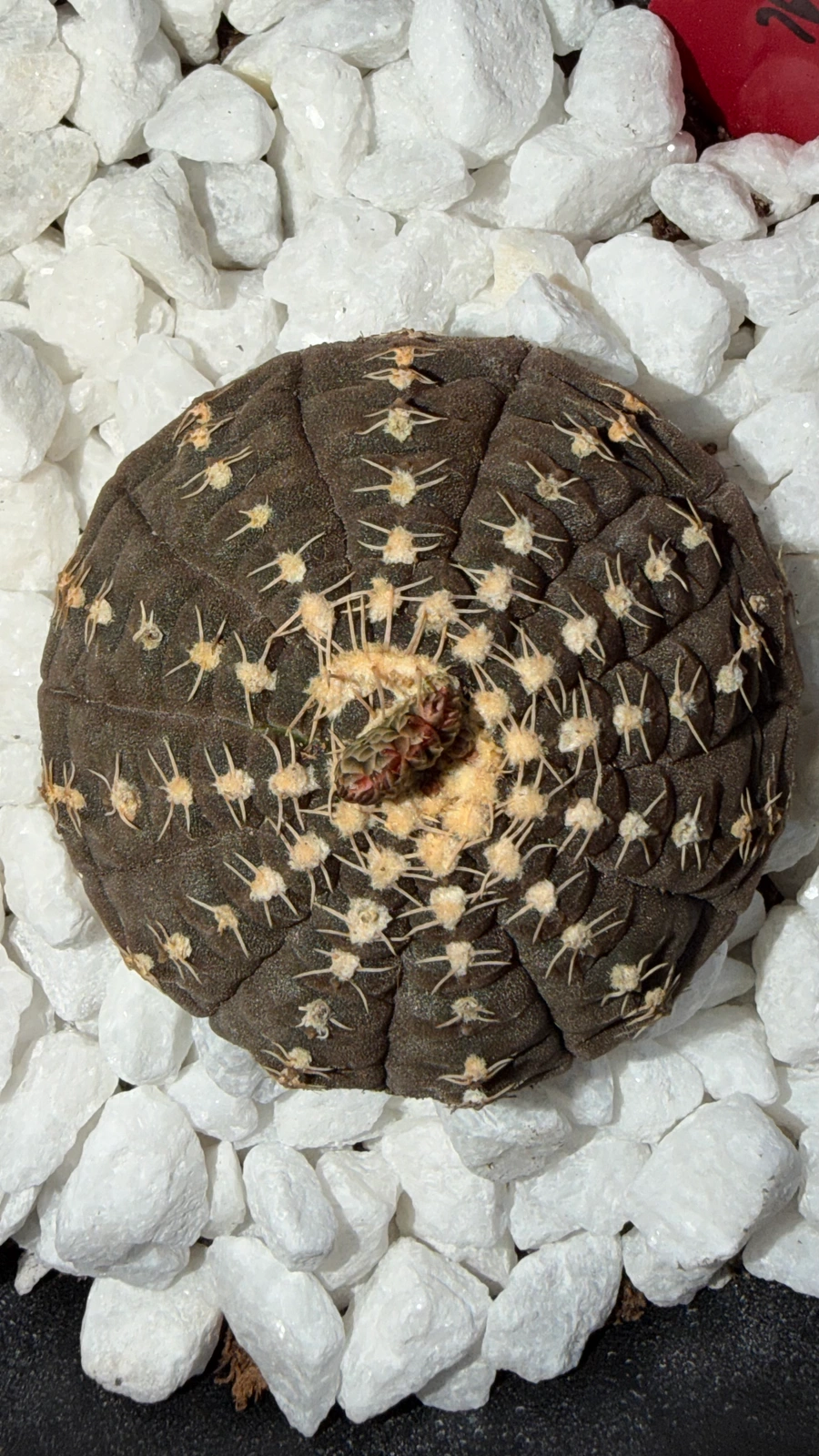
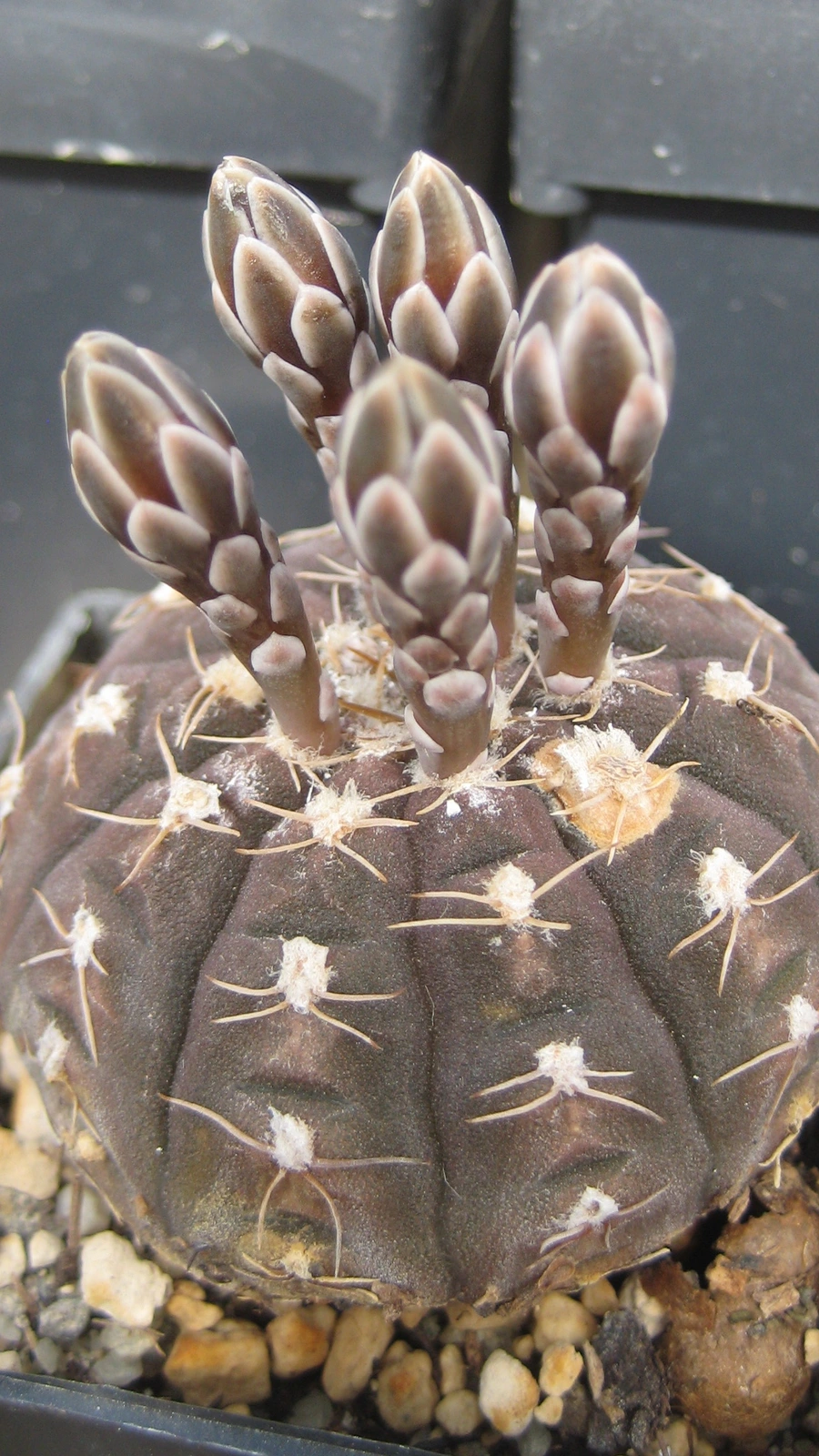 Reference image
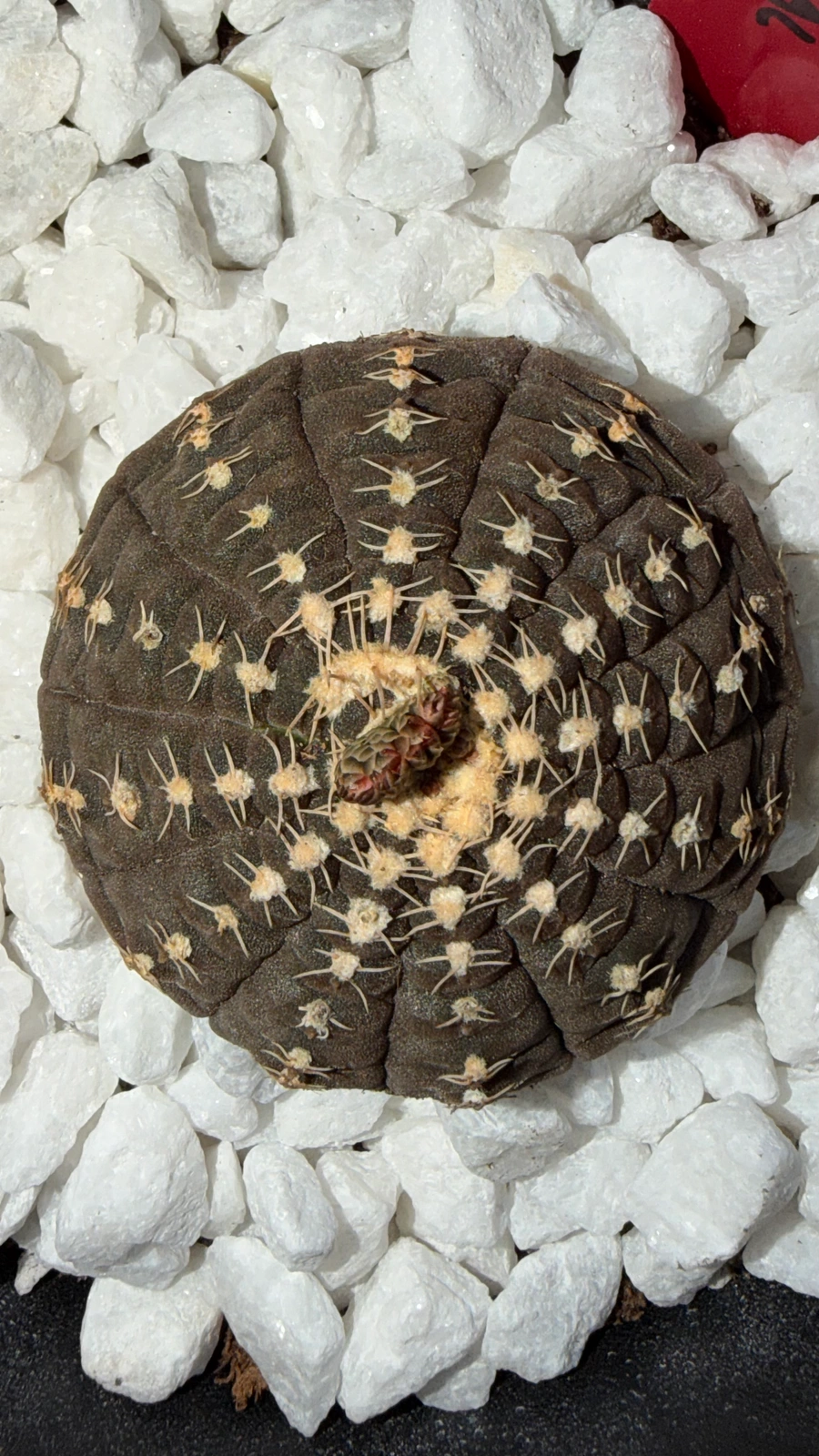 Reference image
Flat Chocolate Cactus
Gymnocalycium ragonesei is an extremely miniature and rare cactus species belonging to the family Cactaceae. It is highly prized by collectors for its almost completely flat, soil-level growth habit and distinctive dark brownish-grey or chocolate-colored body 1.
The species was named in honor of Dr. Arturo Ragonese, a prominent Argentinian botanist who helped collect the specimen 2. The genus name Gymnocalycium is derived from the Greek for 'naked calyx', referring to the flower buds which lack spines or wool.
This species is micro-endemic to a very small area bordering the Catamarca and Córdoba provinces in northern Argentina 1. It grows in flat, dry, slightly saline clay-sand soils, often disguised among pebbles or shaded by sparse desert scrub 3.
Typically solitary, it features a highly flattened, disk-like stem that rarely exceeds 5 cm in diameter and 2 cm in height. The skin color ranges from dull olive-green to dark chocolate brown. Spines are tiny, fragile, and appressed flat against the ribs, making the plant feel almost smooth. Large, funnel-shaped white to pale cream flowers emerge from the center.
In cultivation, G. ragonesei is an excellent specimen for small pots. It prefers bright, filtered light rather than scorching direct sun. The potting medium must be highly mineral-based with very low organic content to ensure rapid drainage 2. It can tolerate temperatures down to -5°C if kept completely dry in winter.
Overwatering is the primary cause of failure. Because the body sits low in the substrate, any stagnant moisture will trigger basal rot. Watering during cold winter dormancy is highly detrimental.
Prefers bright, indirect sunlight or dappled shade. Direct harsh midday sun can sunburn its flat body.
Water thoroughly only when the soil has completely dried out. Keep bone dry throughout the winter.
Requires an extremely porous mineral substrate consisting of pumice, grit, and very little peat.
Non-toxic to pets and humans. Spines are tiny and flat, posing no physical hazard.
Very easy if overwatering is strictly avoided. It is a slow grower that requires minimal maintenance.
Native to the arid, flat salt-pan borders of Catamarca and Córdoba provinces in northern Argentina, growing in hard-packed, silty clay soils.
