
Light
Bright Indirect Light
Bright indirect light or filtered sun; avoid scorching midday direct sun.
 Reference image
 Reference image
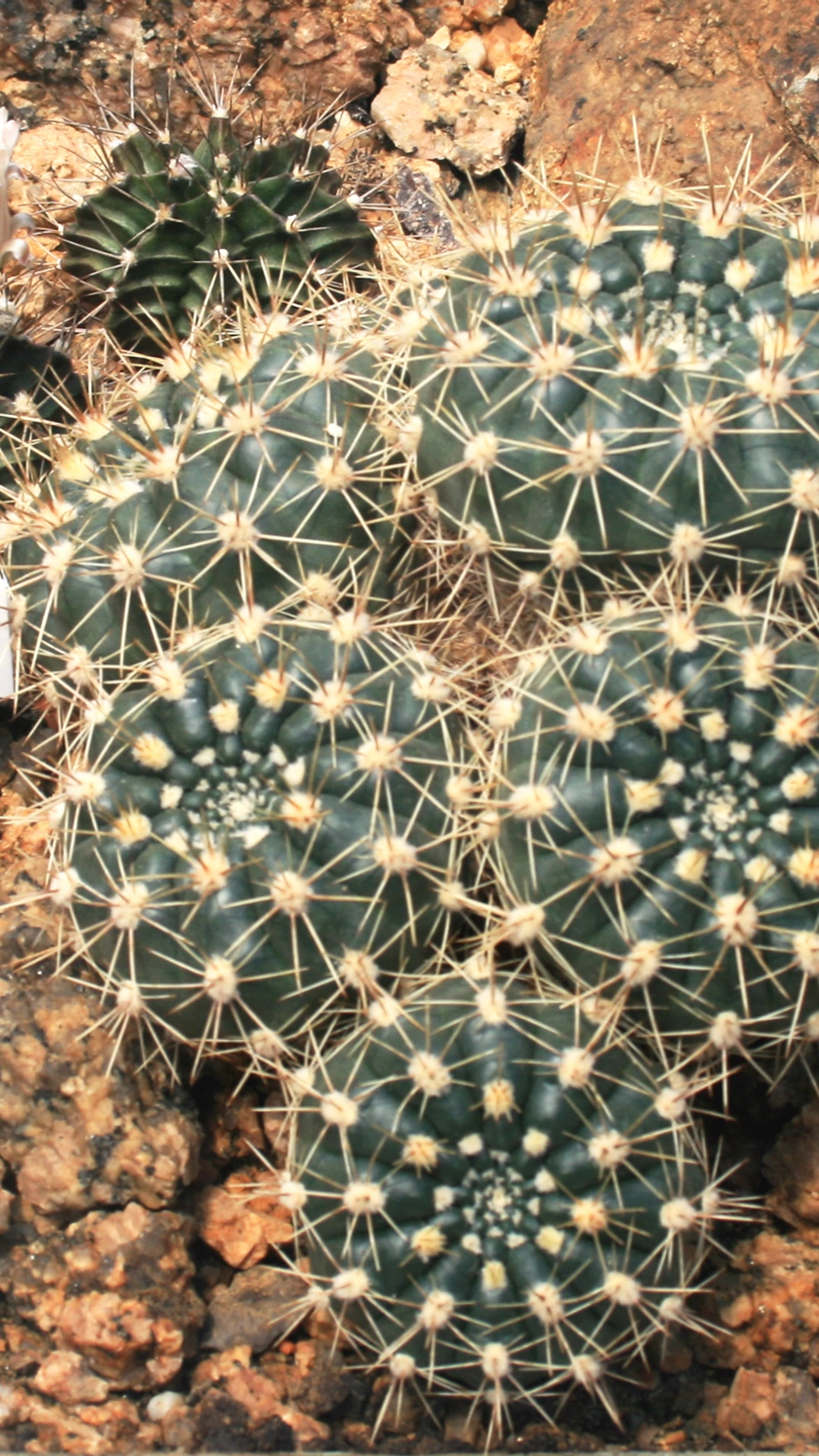
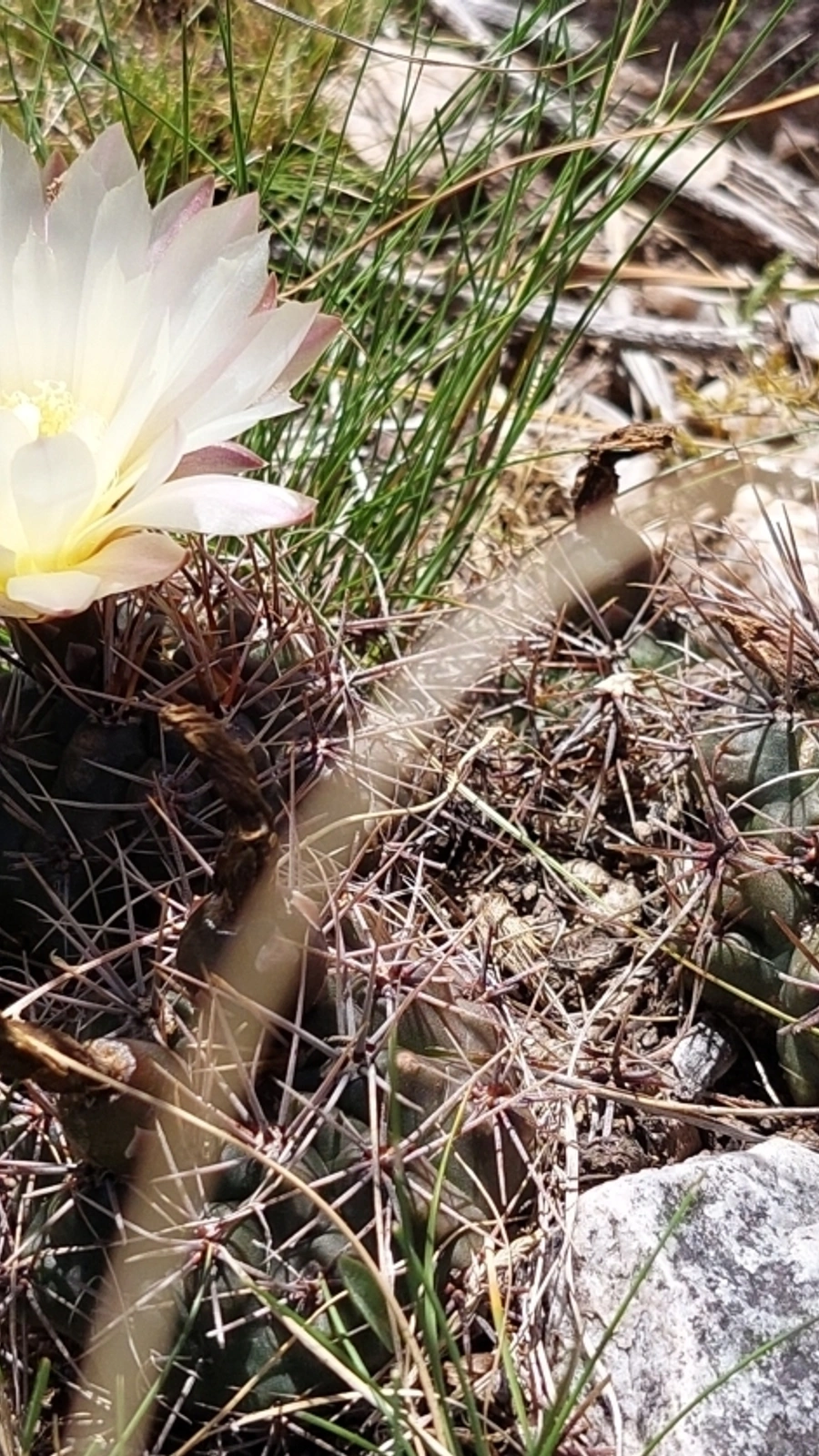
Gymnocalycium reductum is a robust, globose to short-cylindrical cactus species in the family Cactaceae. Known for its symmetrical growth and beautiful summer blossoms, it is a highly valued specimen among succulent and cactus enthusiasts worldwide.
Originally described as Cactus reductus, this species was later placed in the genus Gymnocalycium 1. The generic name is derived from the Greek words for 'naked calyx', referring to the smooth, scale-free flower buds that are a defining characteristic of this genus.
This species is native to southern South America, with its primary range extending through central and southern Argentina (especially Buenos Aires province) and parts of Uruguay 2. It typically grows in subtropical biomes, favoring rocky outcrops, sandy soils, and dry grasslands.
It features a solitary, dark green to greyish-green stem that can take on a bronze hue under intense light. The ribs are pronounced and divided into distinct tubercles. Sharp, yellowish-brown radial and central spines emerge from woolly areoles. In summer, it produces large, funnel-shaped flowers that are white to pale pink.
It thrives in a highly porous, mineral-rich substrate with excellent drainage. It prefers bright, indirect sunlight or filtered sun. Water thoroughly during the active growing season only when the soil has completely dried out, and keep dry in winter.
Overwatering is the primary cause of failure, leading to root rot. Lack of adequate light will cause the plant to etiolate, losing its compact, globular form and weakening its spine development.
Bright indirect light or filtered sun; avoid scorching midday direct sun.
Allow soil to dry out completely between waterings; suspend in winter.
Extremely well-draining mineral mix with plenty of pumice and grit.
Non-toxic to pets, but has sharp spines that require careful handling.
Very easy and forgiving, making it perfect for beginner collectors.
Native to the grasslands and rocky hillsides of Argentina and parts of Uruguay, thriving in dry, subtropical conditions on well-draining soils.
