
Light
Bright Indirect Light
Prefers bright, indirect light or morning sun; protect from scorching midday sun.
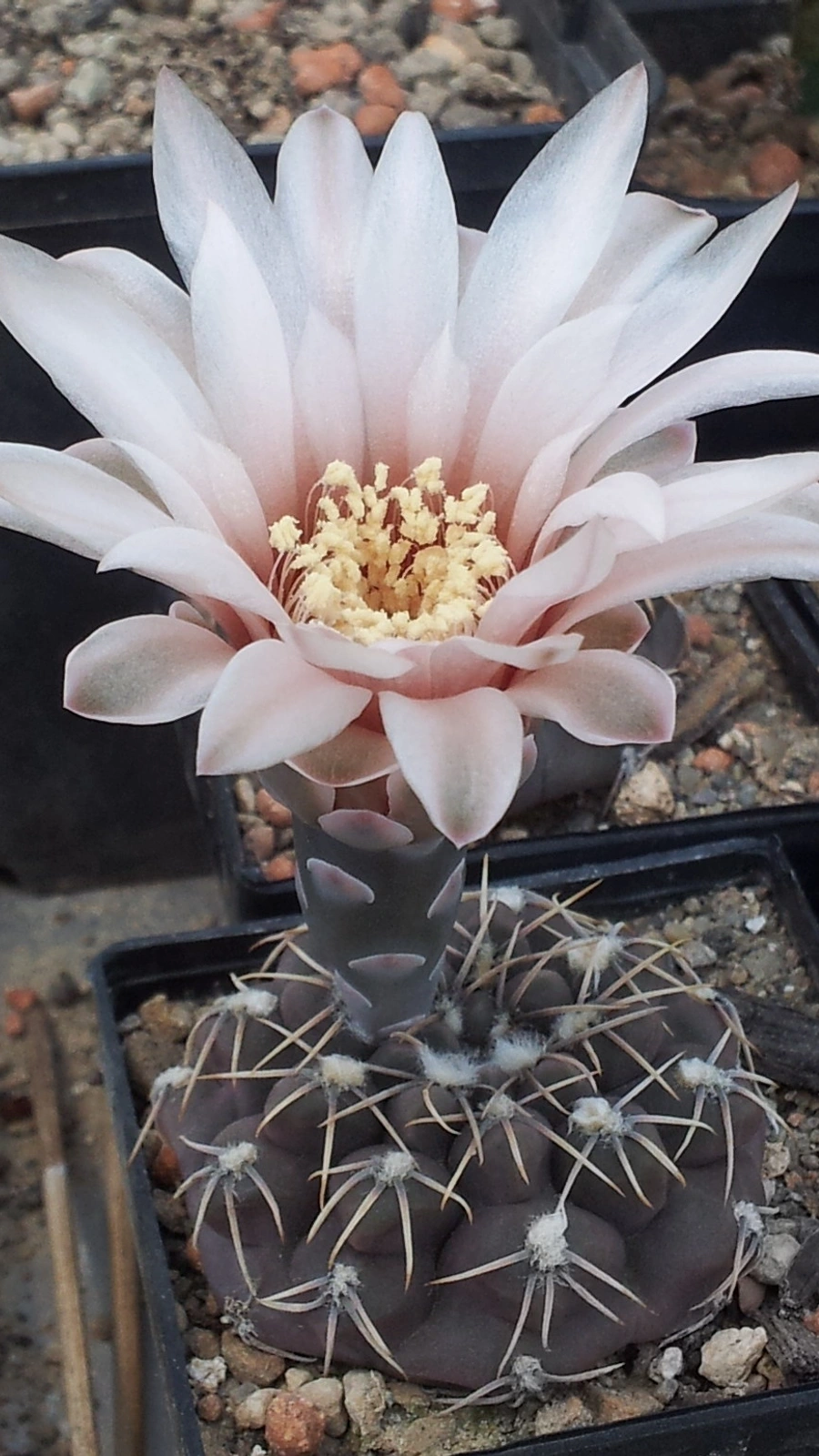 Reference image
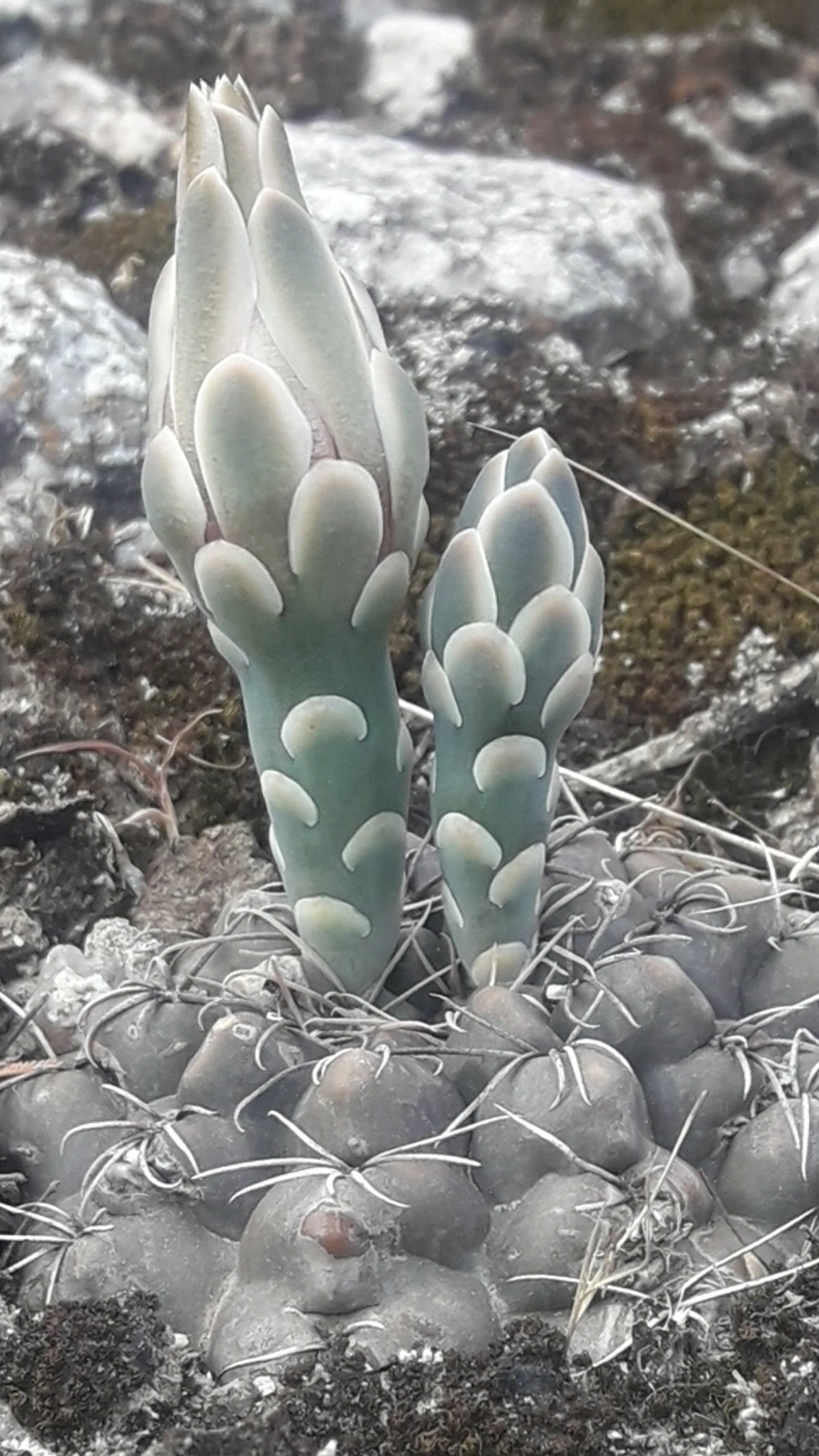 Reference image
Gymnocalycium robustum is a slow-growing, globose succulent subshrub belonging to the family Cactaceae. It is highly valued among collectors for its robust nature and distinctive deep dark stem coloration.
The genus name Gymnocalycium derives from the Greek words gymnos (naked) and kalyx (bud), referencing the hairless and spineless flower buds characteristic of the genus. The specific epithet robustum is Latin for "strong" or "robust", highlighting its resistance to harsh conditions 1.
This species is native to northern and central Argentina, particularly in provinces such as Córdoba, San Luis, and La Pampa 2. It thrives in subtropical shrublands, rocky slopes, and sandy soils with high mineral content. In its natural habitat, it often grows under the protective light shade of nurse plants or grasses.
The stem is greyish-green to dark bronze or near-purple, usually growing solitary but occasionally offsetting from the base. It features prominent, low ribs. The spines arising from the areoles are stiff, slightly curved, and greyish-brown. During summer, it produces beautiful funnel-shaped flowers that are white to pale pink.
In cultivation, Gymnocalycium robustum is highly adaptable. During the active growing season from spring to autumn, it should be watered thoroughly only after the substrate dries out completely. In winter, watering must be suspended, and the plant should be kept in a cool, dry spot to encourage dormancy.
The most frequent mistake is overwatering or using poorly draining soil, which quickly leads to root rot. Keeping the cactus in a warm, humid room during winter prevents it from entering dormancy, which suppresses flowering.
Prefers bright, indirect light or morning sun; protect from scorching midday sun.
Allow soil to dry out completely before watering; keep dry in winter.
Use a well-draining, mineral-rich mix containing sand, pumice, and grit.
Non-toxic, but features sharp spines; handle with care and keep away from pets.
Very easy to care for, making it ideal for beginners who can avoid overwatering.
Native to the dry, subtropical shrublands and rocky grasslands of central Argentina, specifically within provinces like Córdoba and San Luis, where it seeks shelter under sparse vegetation.
