
Light
Bright Indirect Light
Thrives in bright, indirect sunlight or filtered morning sun; protect from harsh afternoon sun.
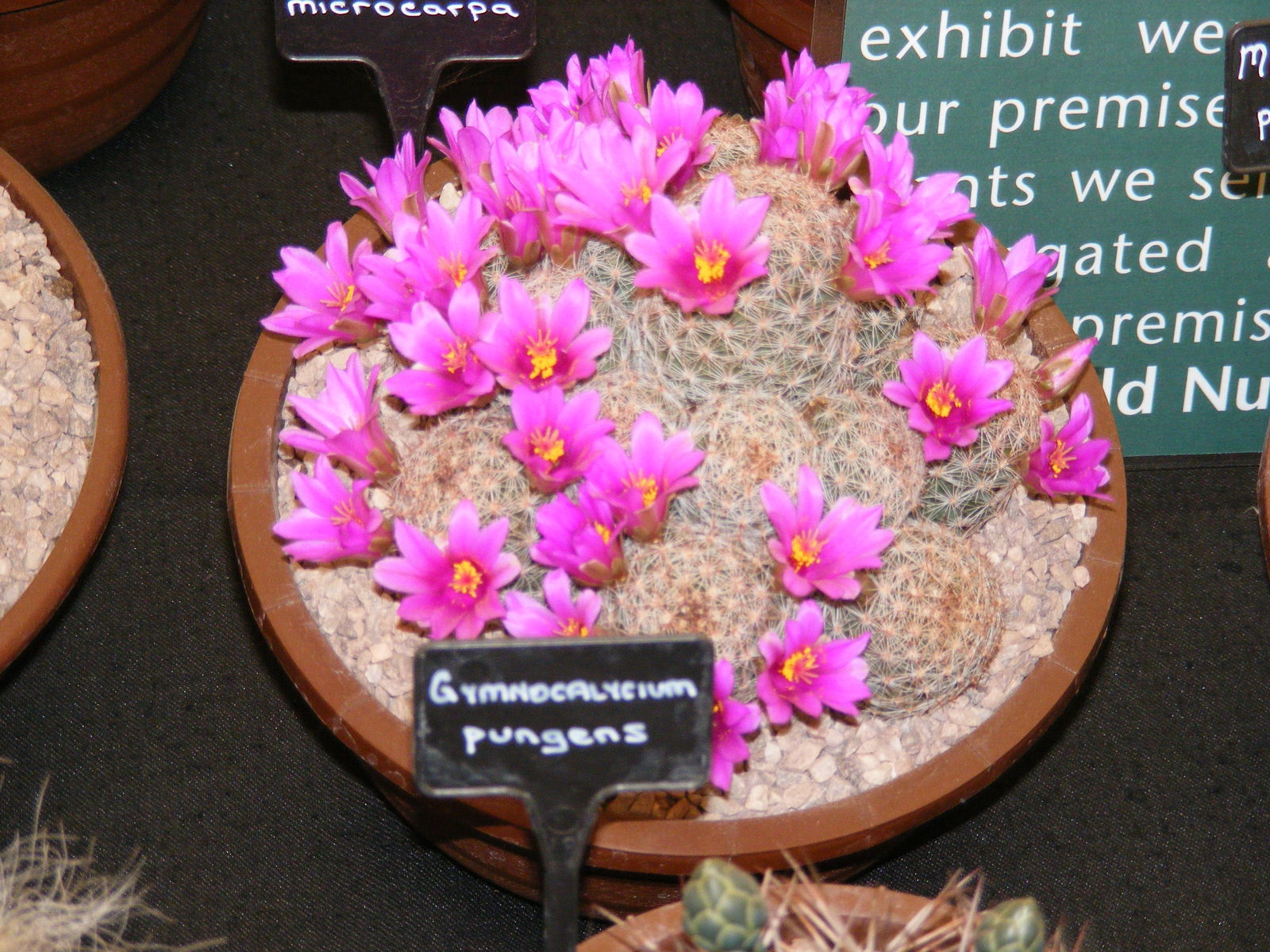 Reference image
Schickendantz's Chin Cactus
Gymnocalycium schickendantzii is a robust, globose to short-cylindrical cactus species within the family Cactaceae 1. It is highly appreciated by succulent enthusiasts for its distinctive recurved spines and elegant, cream to olive-greenish blossoms.
The specific epithet honors Friedrich Schickendantz, a 19th-century German chemist and botanical collector who conducted extensive research in Argentina 2. The genus name Gymnocalycium is derived from the Greek words for "naked calyx," referring to the hairless and spineless scales on the flower buds.
This species is native to the northern and western provinces of Argentina, including San Juan, Córdoba, Catamarca, Tucumán, and La Rioja 1. It typically inhabits subtropical dry shrublands, gravelly slopes, and flat plains, often growing under the protective shade of nurse plants or deciduous shrubs.
The stem is solitary, greyish-green to dark olive-green, sometimes taking on bronze hues in intense light. It features prominent, tubercled ribs lined with areoles that bear stout, slightly recurved, yellowish-brown to greyish spines. The diurnal flowers emerge near the crown, presenting shades of white, cream, or pale pink.
In cultivation, G. schickendantzii is highly adaptable. During the active growing season (spring through autumn), it requires thorough watering only when the substrate is completely dry. In winter, the plant enters dormancy and must be kept cool and dry to prevent root loss and encourage spring blooming.
The most prevalent issue is waterlogging due to poorly draining soil or overwatering, which quickly triggers root rot 2. Insufficient winter cooling may also lead to a failure in producing flowers during the subsequent season.
Thrives in bright, indirect sunlight or filtered morning sun; protect from harsh afternoon sun.
Water thoroughly only after the soil has completely dried. Keep dry in winter.
Requires excellent drainage. Use a cactus mix heavily amended with pumice or grit.
Non-toxic, but sharp, stiff spines can cause physical injury. Handle with care.
Very easy to care for, making it suitable for beginners with a habit of dry cultivation.
Found naturally on gravelly soil, under the shelter of shrubs in dry subtropical regions.
