
Light
Bright Indirect Light
Prefers bright, filtered sunlight. Protect from intense direct midday sun to avoid sunburn.
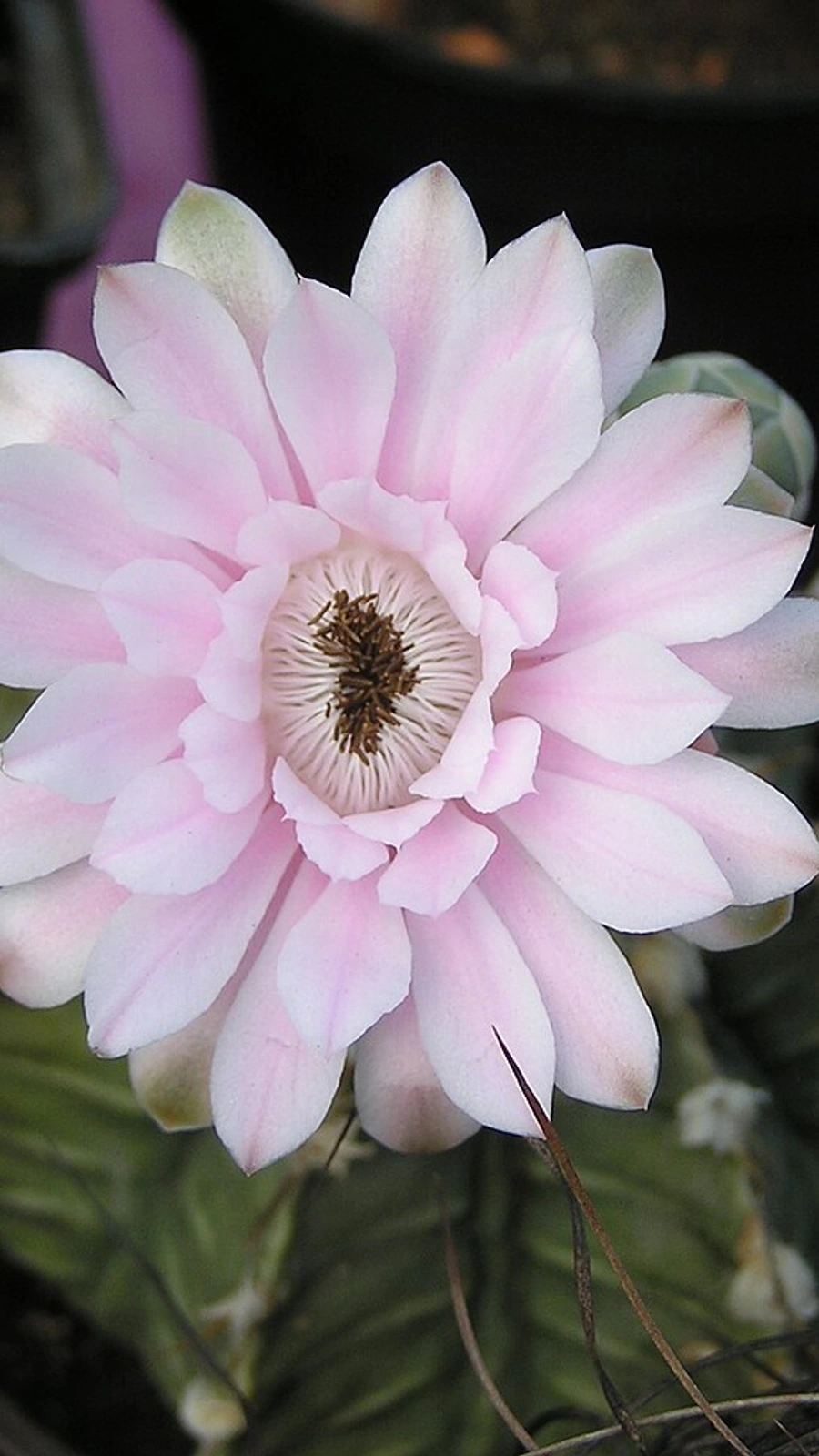
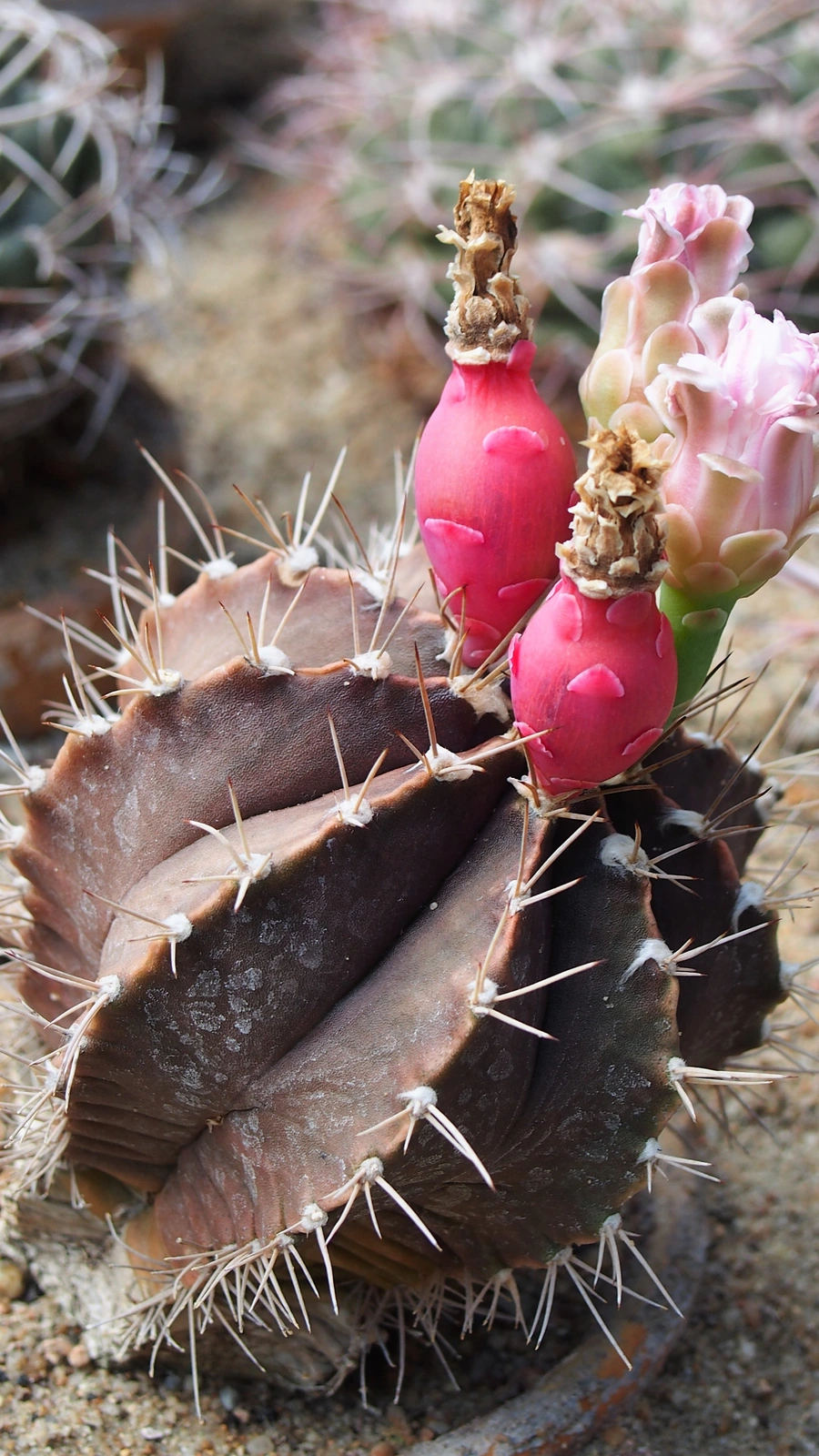
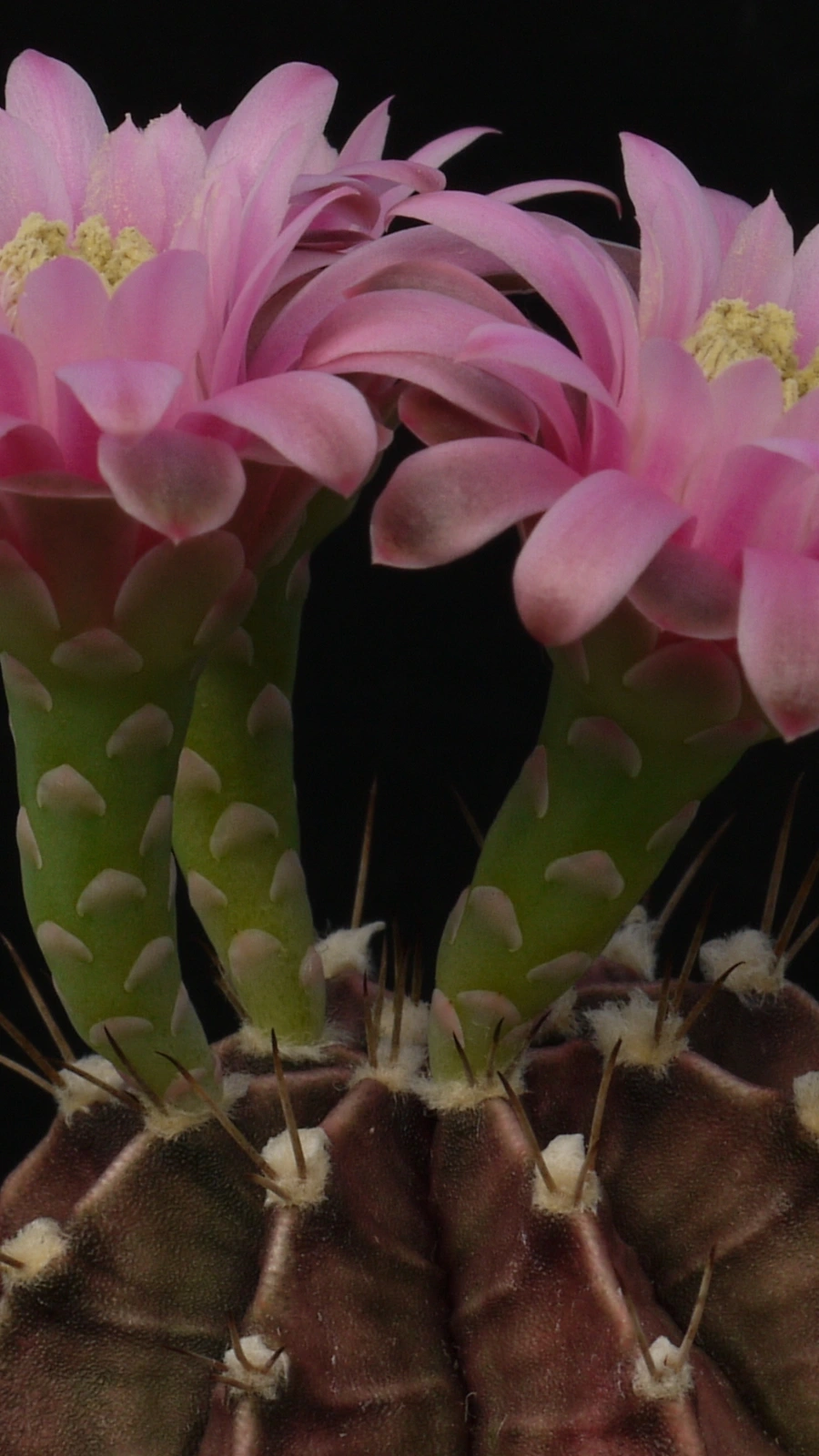 Reference image
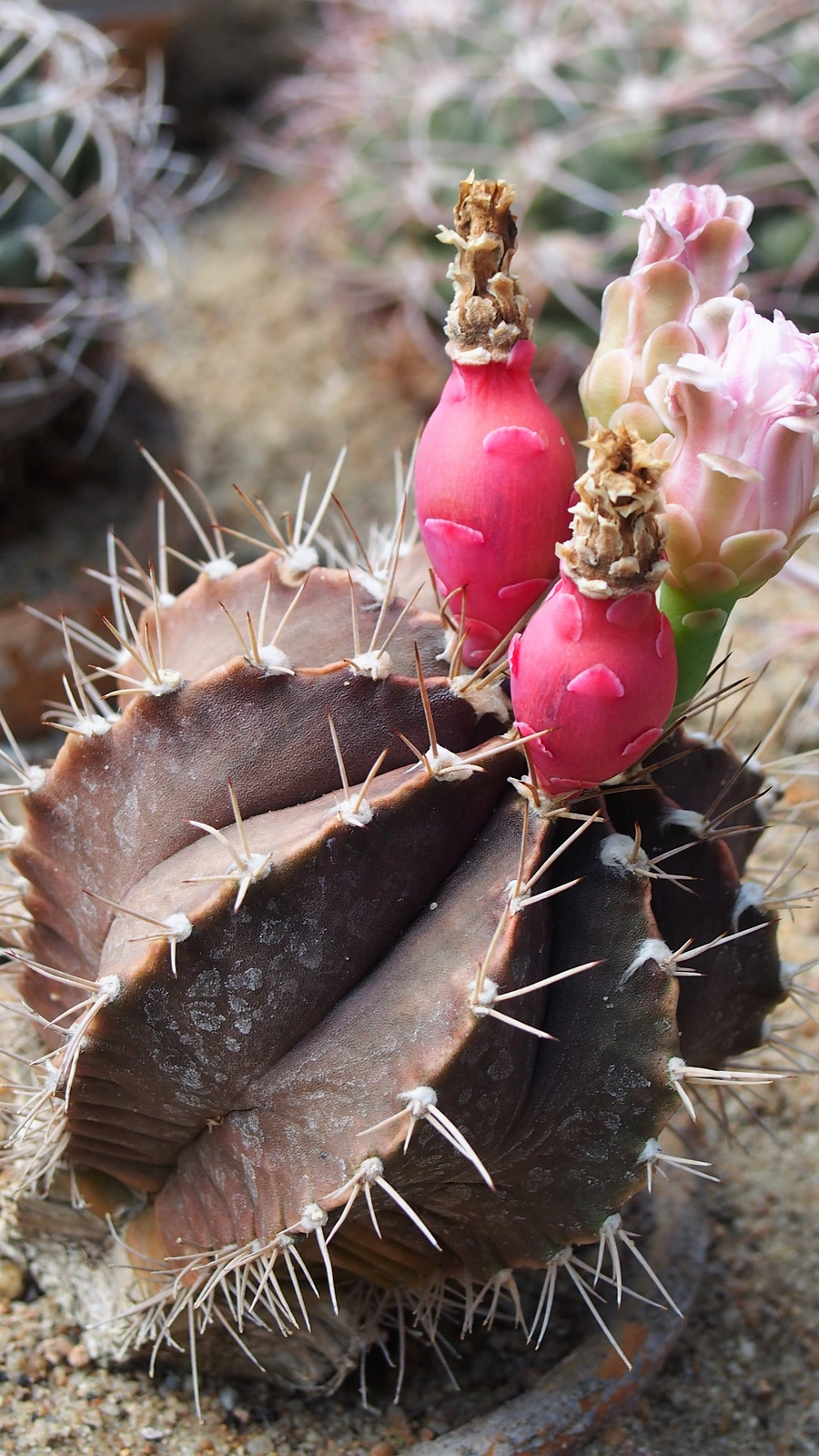 Reference image
Gymnocalycium stenopleurum is a highly sought-after, solitary globose cactus belonging to the family Cactaceae. It is widely appreciated among succulent enthusiasts for its distinctive banding, sharp ribs, and beautiful dark green to purplish-brown body color.
Classified within the genus Gymnocalycium in the tribe Trichocereeae of the cactus family. The specific epithet "stenopleurum" derives from Greek, meaning "narrow-ribbed," referring to its sharply defined rib structures 1. It is taxonomically close to Gymnocalycium mihanovichii and was previously grouped as a subspecies or variety.
This species is native to the arid and subtropical Chaco regions of Bolivia and Paraguay 2. It typically grows under the shelter of low shrubs or deciduous forest canopies, which protect it from intense, direct equatorial sunlight.
The stem is solitary, flattened-globose, up to 10-12 cm in diameter, ranging from olive-green to purplish-maroon depending on sun exposure. It has 8 to 12 prominent, sharp ribs marked with horizontal dark bands. Spines are minimal, curved, and grayish-brown. The funnel-shaped flowers are white or pale pink, arising from the crown in late spring.
In cultivation, Gymnocalycium stenopleurum prefers bright, indirect sunlight or filtered light. It requires an extremely porous potting mix. Watering should be deep but infrequent, allowing the substrate to dry completely between sessions. During winter, watering must be suspended to prevent rot.
Overwatering and placing the plant in heavy, water-retaining soils are the most common causes of plant loss. Sudden exposure to hot, direct summer sun can also cause irreversible scorching on the epidermis.
Prefers bright, filtered sunlight. Protect from intense direct midday sun to avoid sunburn.
Allow the potting mix to dry out 100% between waterings. Reduce water to near zero in winter.
Requires highly aerated, fast-draining mineral soil with high pumice or perlite content.
Non-toxic to pets, but has sharp spines that can cause physical injury upon contact.
Easy to grow, making it perfect for beginners who can resist the urge to overwater.
Occurs naturally in the dry, flat plains of the Gran Chaco region in South America, growing sheltered beneath xerophytic vegetation.
