
Light
Bright Indirect Light
Requires abundant bright, indirect light; shield from scorching direct afternoon sun.
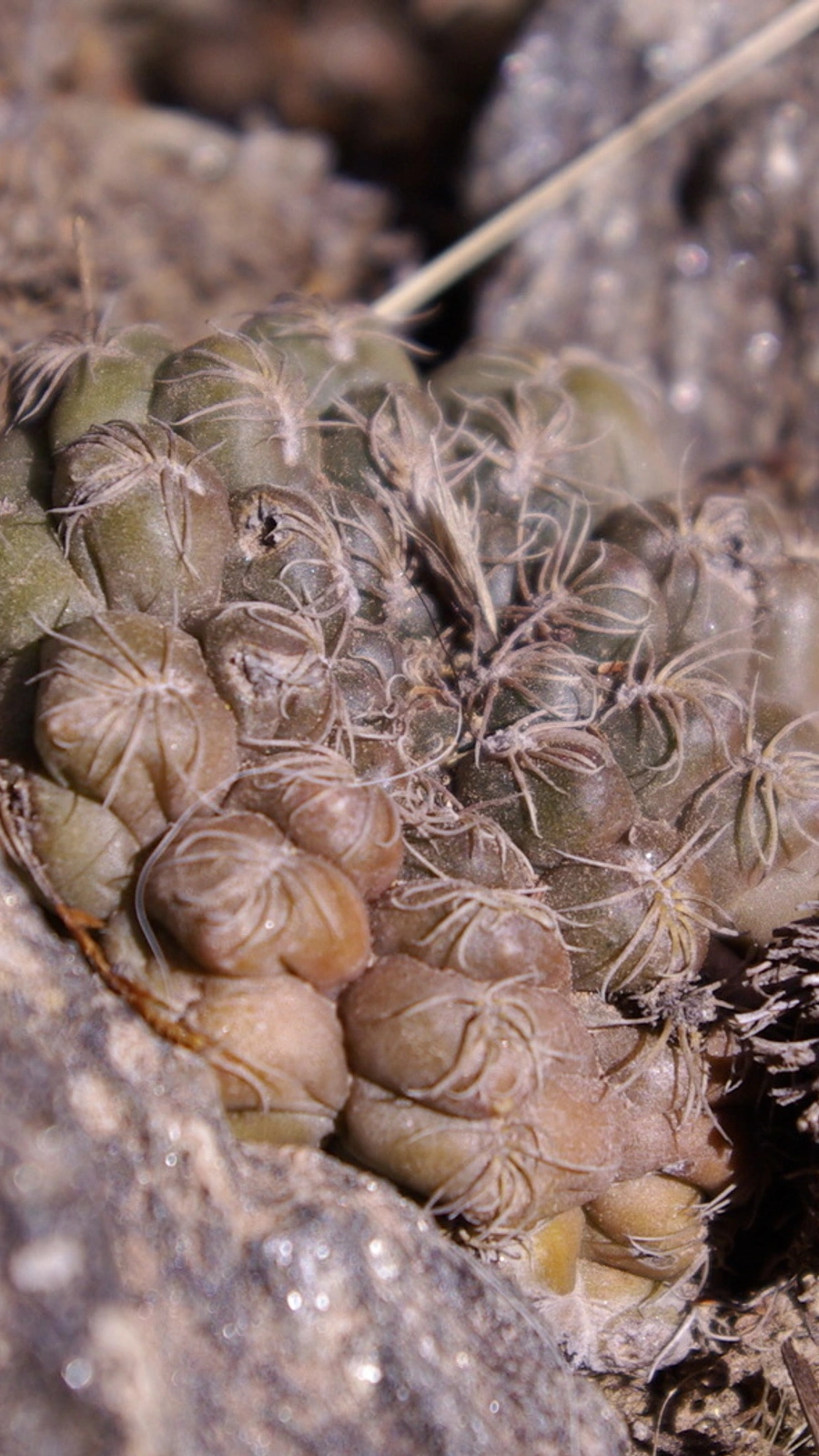 Reference image
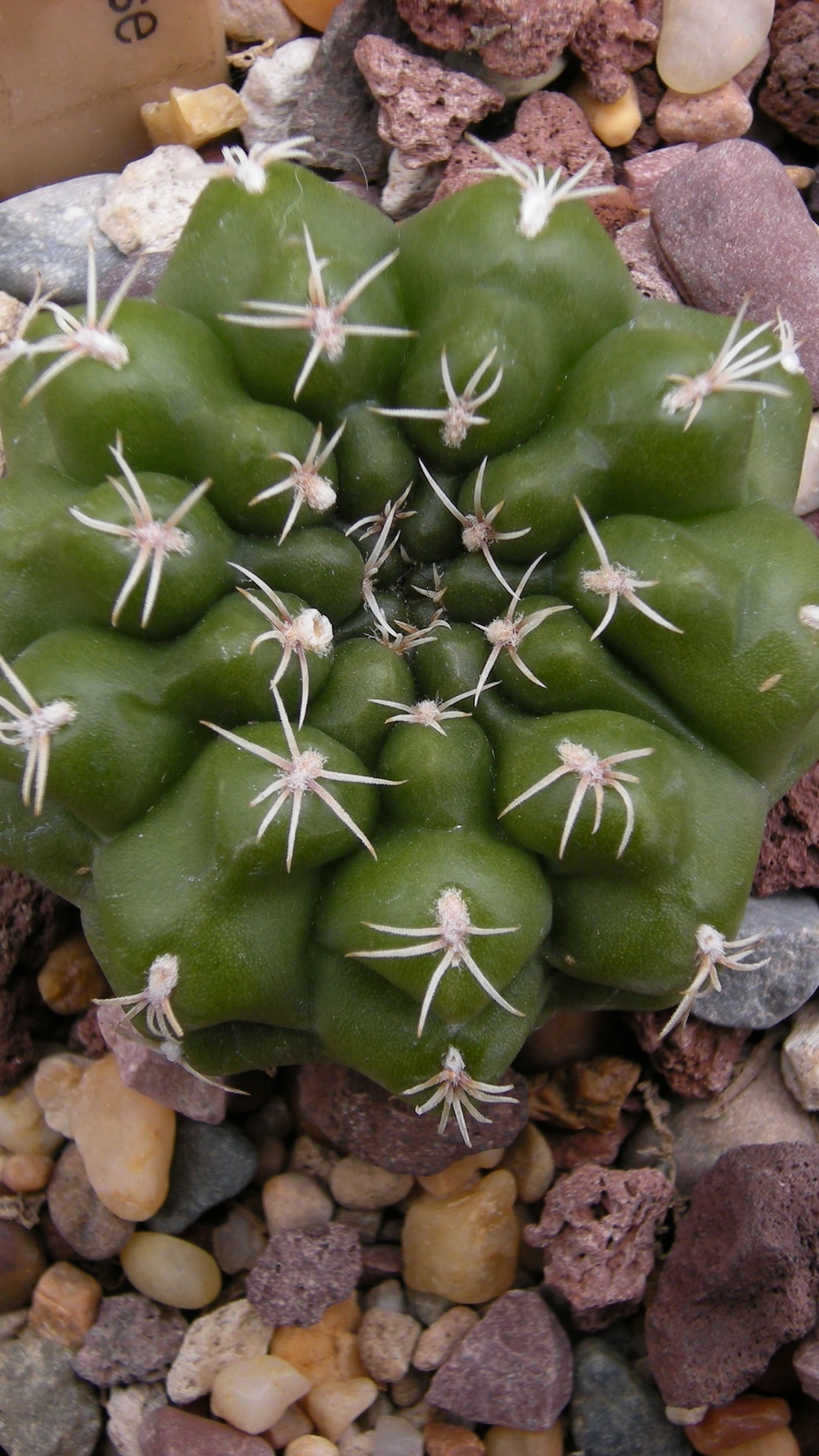 Reference image
Taninga Chin Cactus
Gymnocalycium taningaense is a small-sized, solitary-growing perennial succulent cactus belonging to the Cactaceae family. Highly appreciated by succulent collectors, it is prominent for its compact form and beautiful, delicate blossoms.
The species is named after its native locality of Taninga in the Córdoba province of Argentina 1. The generic name Gymnocalycium is derived from the Greek words for 'naked calyx' ('gymnos' and 'calyx'), referring to the characteristic lack of hair or spines on the flower buds and floral tubes 2.
This species is endemic to Argentina, primarily restricted to the mountainous regions of Córdoba and San Luis provinces 1. It thrives in subtropical, semi-arid habitats, often growing on rocky slopes, granite outcrops, and under the light shade of deciduous shrubs that shield it from intense, direct solar radiation 3.
The stem is solitary, globose to flattened-globose, exhibiting a grayish-green to dark olive-green epidermis. It features distinct ribs divided by transverse furrows. The radial spines are short, appressed against the stem, and range from pale cream to gray. It produces beautiful cream-white to pale ivory flowers from the apical meristem.
In cultivation, it is remarkably easy to maintain. It requires a highly porous, gritty soil mix to ensure rapid drainage. Water should be applied thoroughly during the active spring and summer growth phases, allowing the substrate to dry completely between applications. During winter, a dry, cool dormancy is essential 2.
The most prevalent errors include overwatering, using heavy clay soils, and lack of a cool winter rest period. These practices inevitably cause root rot or weak, leggy growth.
Requires abundant bright, indirect light; shield from scorching direct afternoon sun.
Water only when the substrate is completely dry. Keep strictly dry during winter.
Requires excellent drainage. Use a mix of pumice, coarse sand, and minimal organic matter.
Non-toxic to pets, but the small spines can cause mechanical injury if handled roughly.
Very easy to care for, tolerant of neglect, and perfect for beginner succulent growers.
Native to the rocky granite hillsides of central Argentina, where it typically grows sheltered under sparse shrubs and grasses in subtropical microclimates.
