
Light
Bright Indirect Light
Thrives in bright, indirect light; avoid intense, direct afternoon sun during summer.
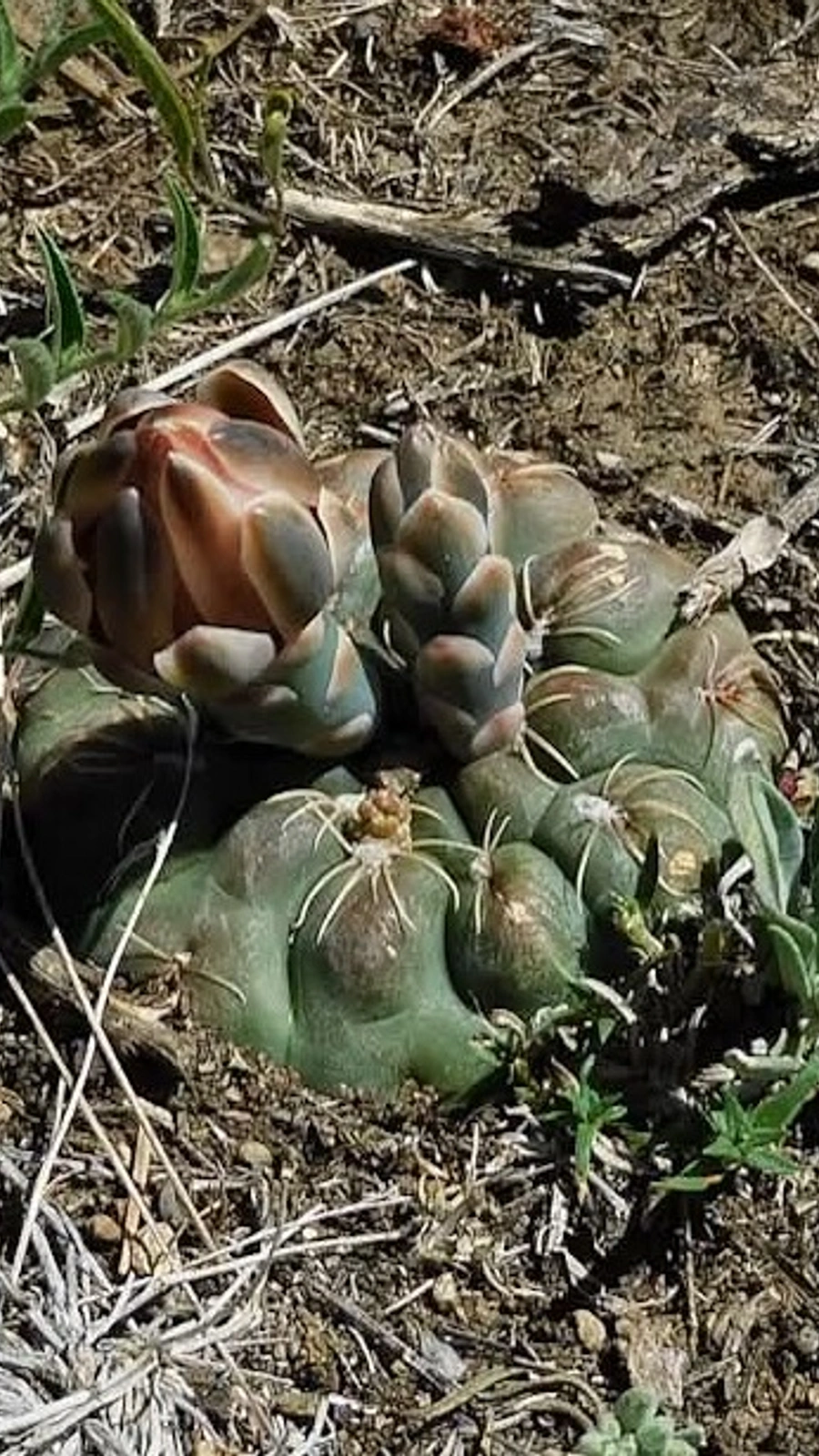 Reference image
Victor's Chin Cactus
Gymnocalycium victorii is a highly sought-after succulent subshrub belonging to the Cactaceae family. The genus Gymnocalycium is well-known for its "naked calyx" (from the Greek words for naked and bud), referring to the flower buds that are completely free of hair or spines 1.
This species is named in honor of prominent cactus researchers and collectors. Classified within the diverse genus Gymnocalycium, G. victorii is distinguished from its close relatives by its unique rib structure, spinination pattern, and specific floral morphology 2.
Native to southern and northwestern Argentina, G. victorii thrives in subtropical, semi-arid habitats 3. It is typically found growing on rocky slopes and gravelly soils, often sheltered under the canopy of nurse bushes or tucked into rock crevices to escape extreme solar radiation.
This cactus features a slow-growing, solitary, globose to slightly flattened stem. The epidermis has a characteristic dark grey-green to brownish-bronze hue. It has well-defined ribs with horizontal chin-like protrusions below the areoles. The spines are slightly curved and hug the stem closely. Elegant white, ivory, or pale pink flowers emerge from the crown during the summer.
In cultivation, Gymnocalycium victorii is appreciated for its low-maintenance requirements. It prefers bright, indirect sunlight and must be protected from scorching midday sun 1. Water thoroughly only when the potting medium has dried out completely, and keep virtually dry during winter dormancy.
The most prevalent mistake is overwatering in poorly drained soil, which rapidly leads to root and stem rot. Exposing the plant to freezing temperatures while the soil is damp is also a common cause of failure.
Thrives in bright, indirect light; avoid intense, direct afternoon sun during summer.
Water thoroughly once the soil is completely dry in summer; keep dry in winter.
Requires excellent drainage. Use a mix heavy in pumice, grit, and coarse sand.
Non-toxic to pets, but features sharp spines that require cautious handling.
Very easy to care for as long as overwatering is strictly avoided.
Native to the rocky slopes and subtropical scrublands of Argentina. It grows naturally in the protective shade of larger shrubs, adapting it perfectly to bright but filtered light environments.
