
Light
Bright Indirect Light
Prefers bright, indirect light or filtered sun. Avoid prolonged exposure to intense afternoon summer sun.
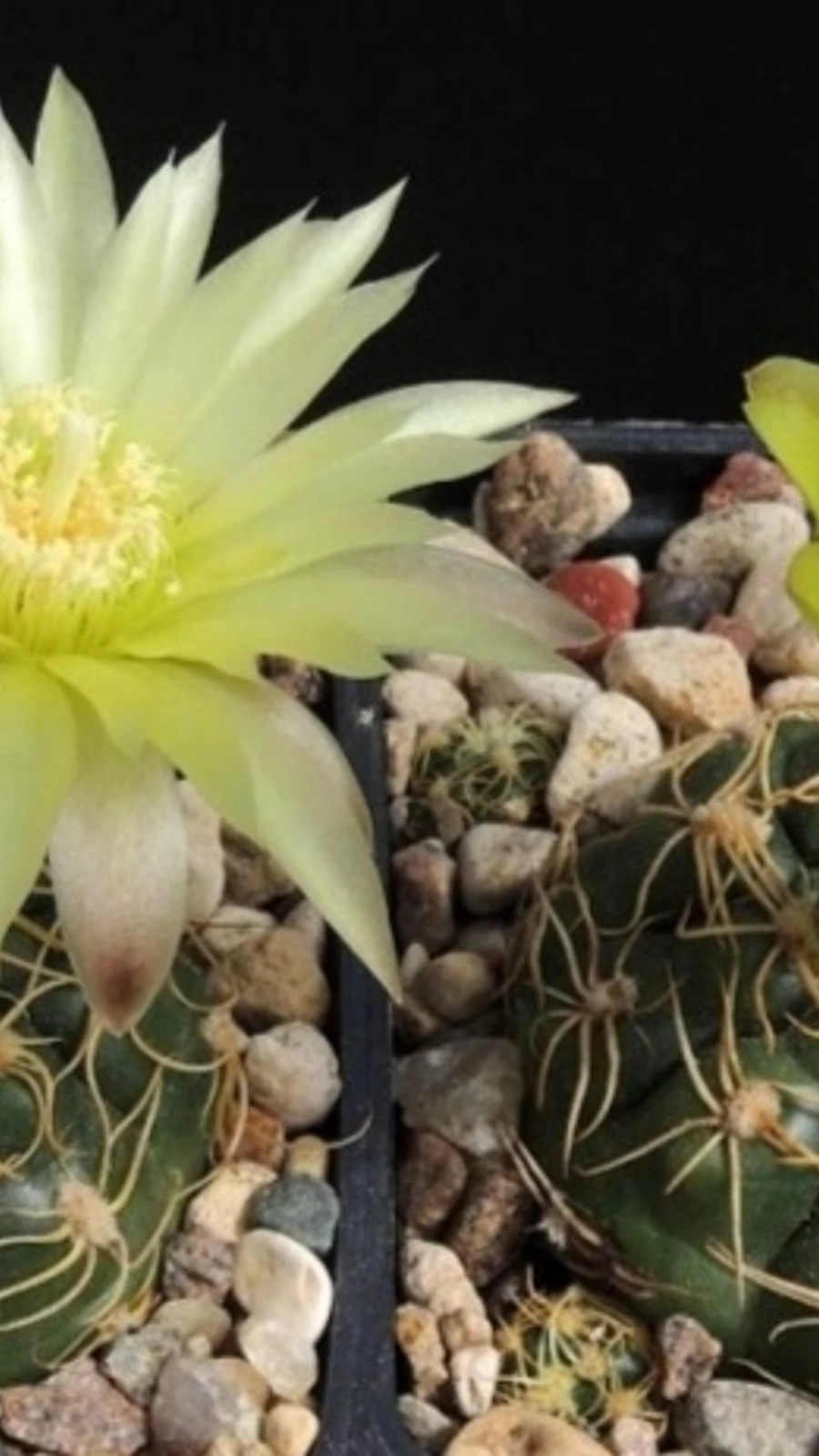 Reference image
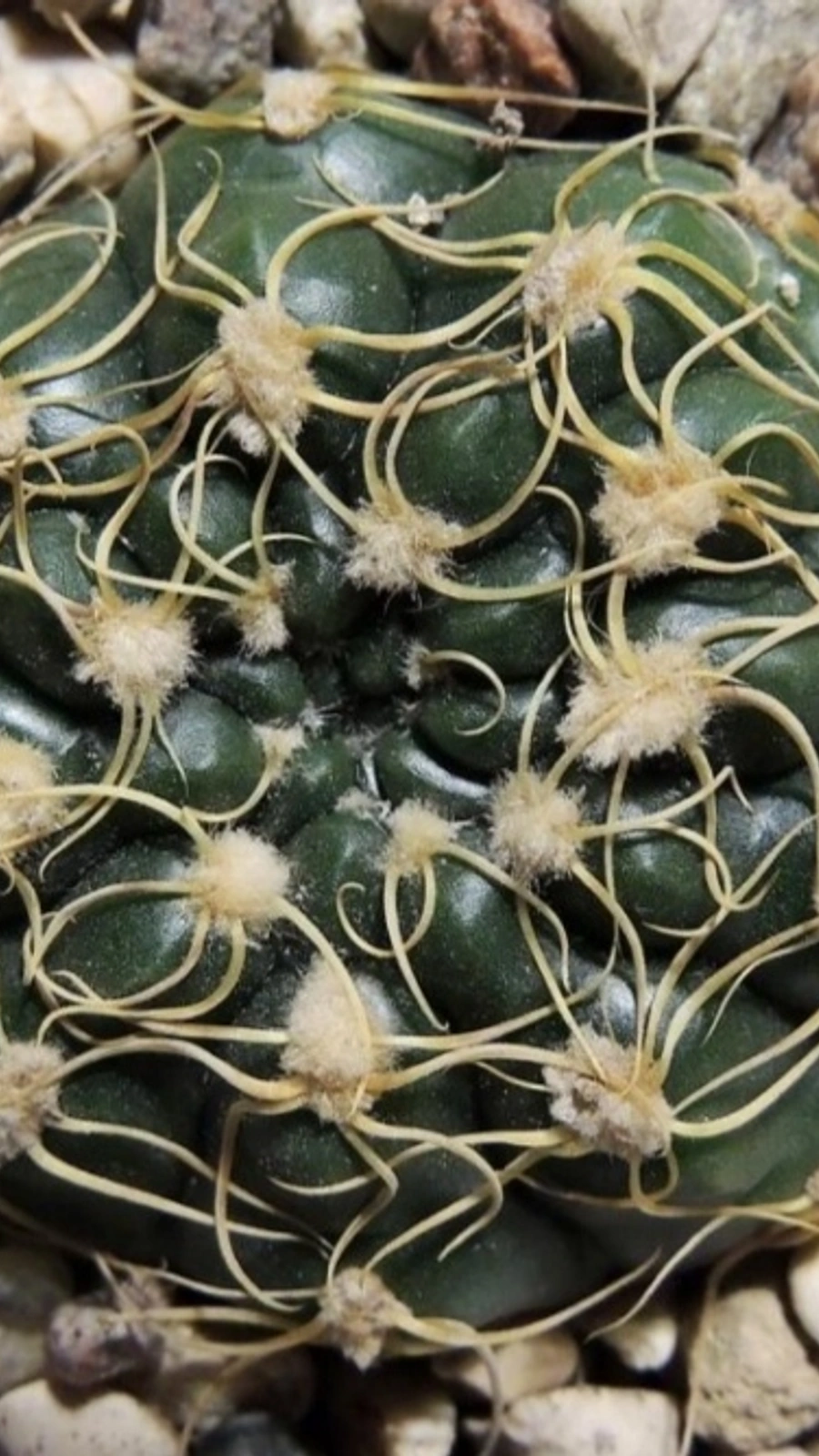 Reference image
Volsky's Chin Cactus
Gymnocalycium volskyi is a highly sought-after, slow-growing succulent subshrub belonging to the Cactaceae family. Characterized by its solitary, flattened-globose stem, it is a classic representation of the chin cacti group 1.
Situated within the tribe Trichocereeae, Gymnocalycium derives its name from the Greek words for 'naked calyx' (gymnos and kalyx), referring to the characteristic lack of hair or spines on the flower buds. The specific epithet honors its discoverer or botanical contributor 2.
Native to Southern South America, G. volskyi is primarily distributed throughout Southern Brazil (Paraná, Santa Catarina, Rio Grande do Sul) and parts of Uruguay 1. It thrives in subtropical biomes, growing among rocky outcroppings, sandy grasslands, and shallow, mineral-rich soils.
The body of Gymnocalycium volskyi is dark green to grayish-bronze, featuring prominent ribs with distinct chin-like tubercles below the aeroles. Spines are typically slightly curved, gray to light brown, and pressed against the stem. It produces beautiful cream-white to pale pink flowers from the apical meristem.
This species demands highly porous, mineral-based soil and bright, indirect light. It can tolerate some morning sun but requires shading during harsh summer afternoons. Watering must be strictly limited to the active growing season 2.
Overwatering and placing the cactus in dense, organic-rich soil are the most frequent causes of root rot. Lack of a dry winter dormancy period can also prevent flowering in spring.
Prefers bright, indirect light or filtered sun. Avoid prolonged exposure to intense afternoon summer sun.
Allow the potting mix to dry out 100% between waterings. Restrict watering to a bare minimum in winter.
Use a specialized mineral-heavy cactus soil mixed with pumice, perlite, and coarse sand.
Non-toxic to pets and humans, but sharp spines require careful handling using gloves.
Very easy to maintain, provided you avoid overwatering and keep it in well-draining soil.
Found in the subtropical rocky grasslands and fields of Southern Brazil, particularly in the states of Rio Grande do Sul, Santa Catarina, and Paraná, extending into northern Uruguay.
