
Light
Bright Indirect Light
Requires bright, filtered sunlight; protect from scorching midday sun to avoid permanent epidermal damage.
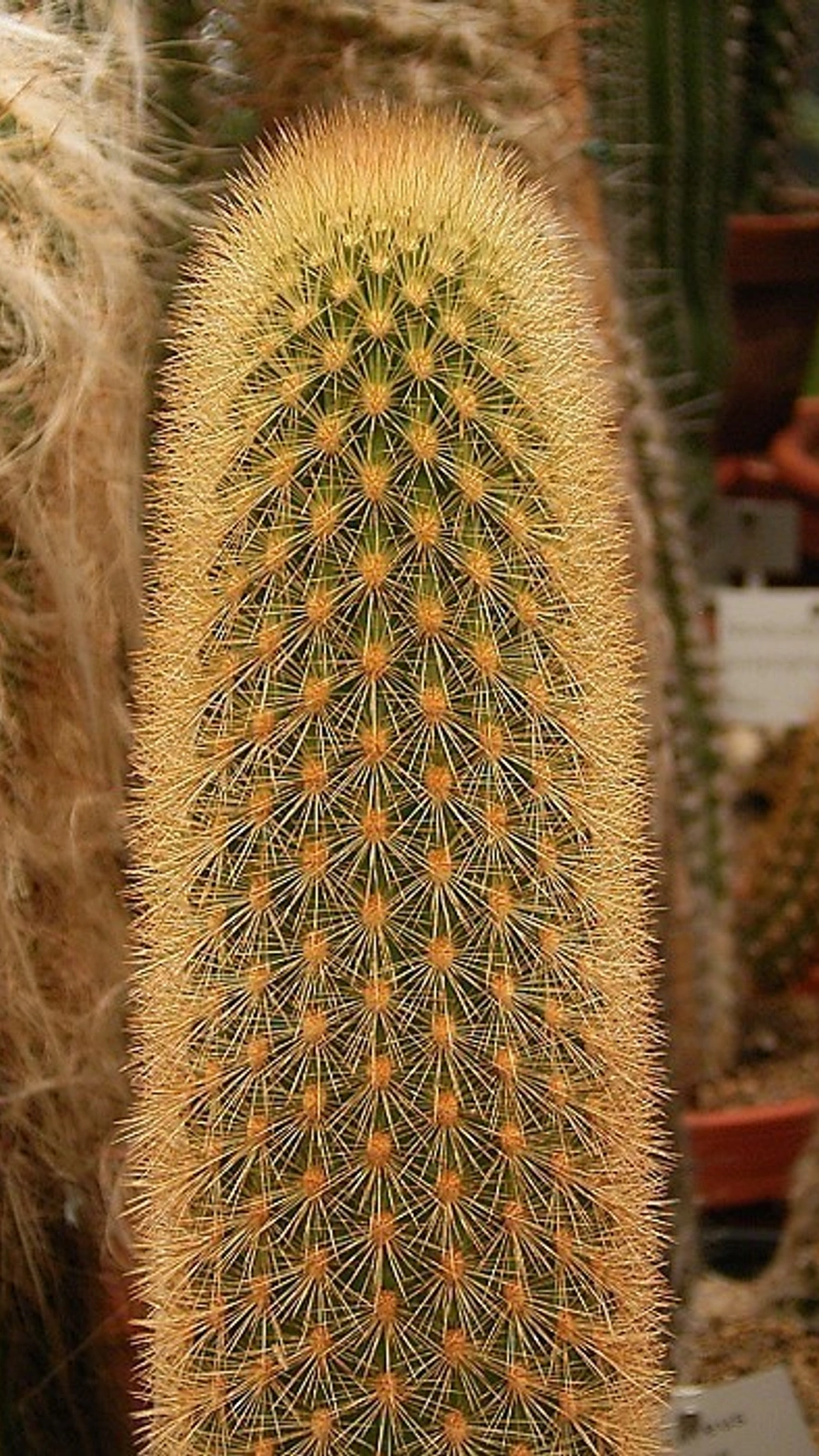 Reference image
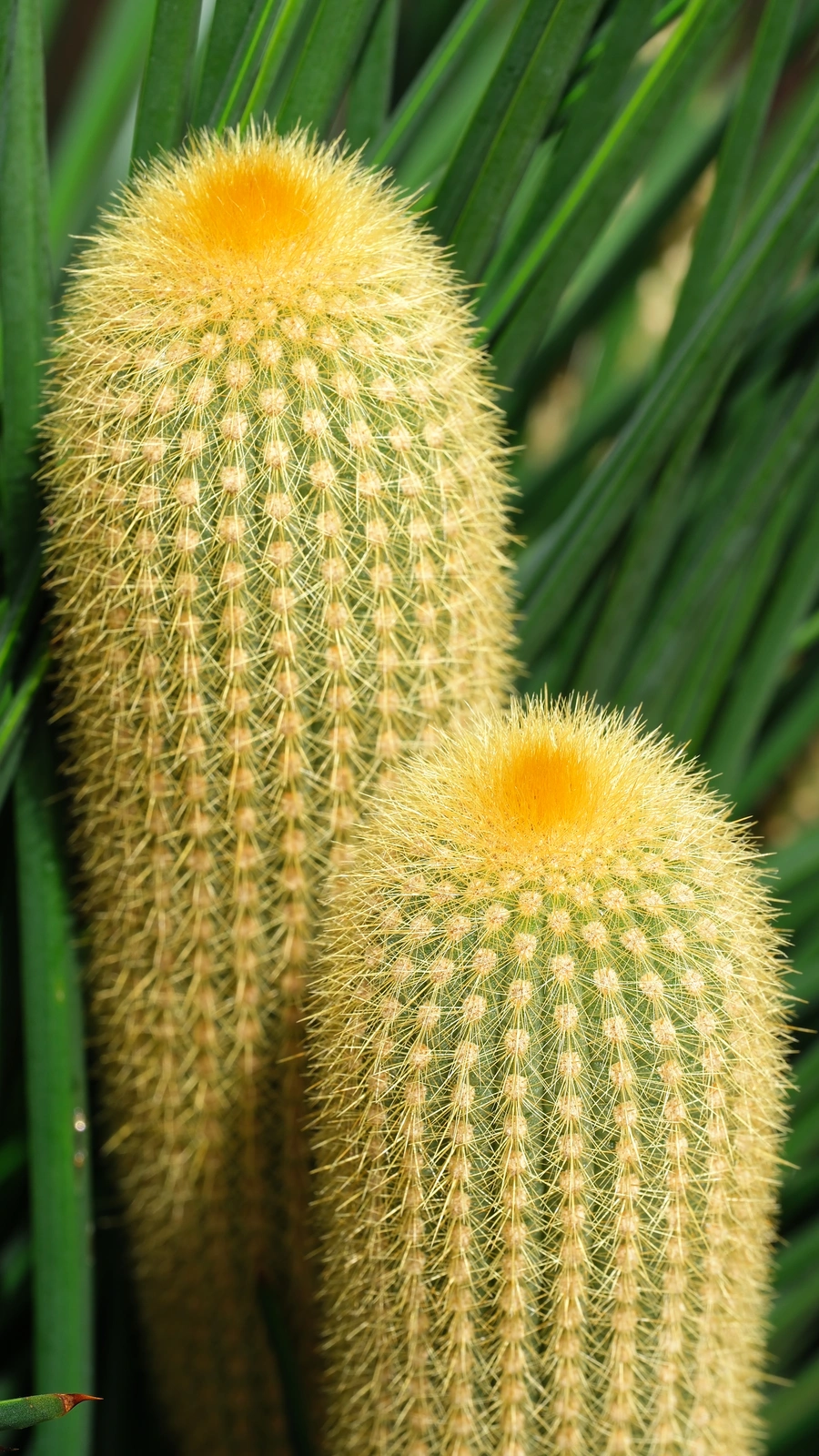 Reference image
Bristly Haageocereus
Haageocereus × seticeps is an intriguing hybrid cactus belonging to the Cactaceae family. Native to the arid and rugged slopes of Peru, it is highly appreciated by collectors for its columnar growth habit and dense, bristly spine coverage.
This taxon represents a natural hybrid within the genus Haageocereus 1. The specific epithet "seticeps" originates from the Latin words "seta" (bristle or hair) and "ceps" (head), directly describing the densely packed, hair-like bristles that crowd the growing tips of the stems.
The plant is native to Western South America, specifically localized within coastal valleys and arid foothills of Peru 2. It typically grows on steep, rocky ledges and gravelly soils where moisture is often provided by coastal fogs known locally as "garua."
It forms upright, cylindrical stems that branch primarily from the base. The ribs are numerous and moderately defined. Each areole is armed with strong central spines accompanied by a dense, brush-like cluster of fine, white to yellowish radial bristles. Nocturnal flowers are funnelform, opening in white or pale cream tones.
In cultivation, it requires maximum bright light and excellent air circulation to maintain its compact spine formation. Because it is highly susceptible to root pathogens, it must be grown in heavily mineralized, fast-draining potting substrates with minimal organic content.
The most frequent issue is overwatering, especially during cooler winter months when the plant enters dormancy. Inadequate light also leads to etiolation, where the stem stretches, loses its characteristic spine density, and becomes weak.
Requires bright, filtered sunlight; protect from scorching midday sun to avoid permanent epidermal damage.
Water only when the substrate is completely dry during active growth, and minimize to once a month during winter.
Use a porous, mineral-based cactus mix containing pumice, perlite, and coarse sand for rapid drainage.
Equipped with dense, sharp bristly spines; keep away from curious pets and small children.
Moderate care level; requires precise control over watering and a highly porous substrate.
Naturally occurs in the dry valleys and coastal hills of Peru, where it thrives in gravely, nutrient-poor soils receiving minimal rainfall.
