
Light
Bright Indirect Light
Requires bright, indirect sunlight; protect from harsh midday sun to prevent scorching.
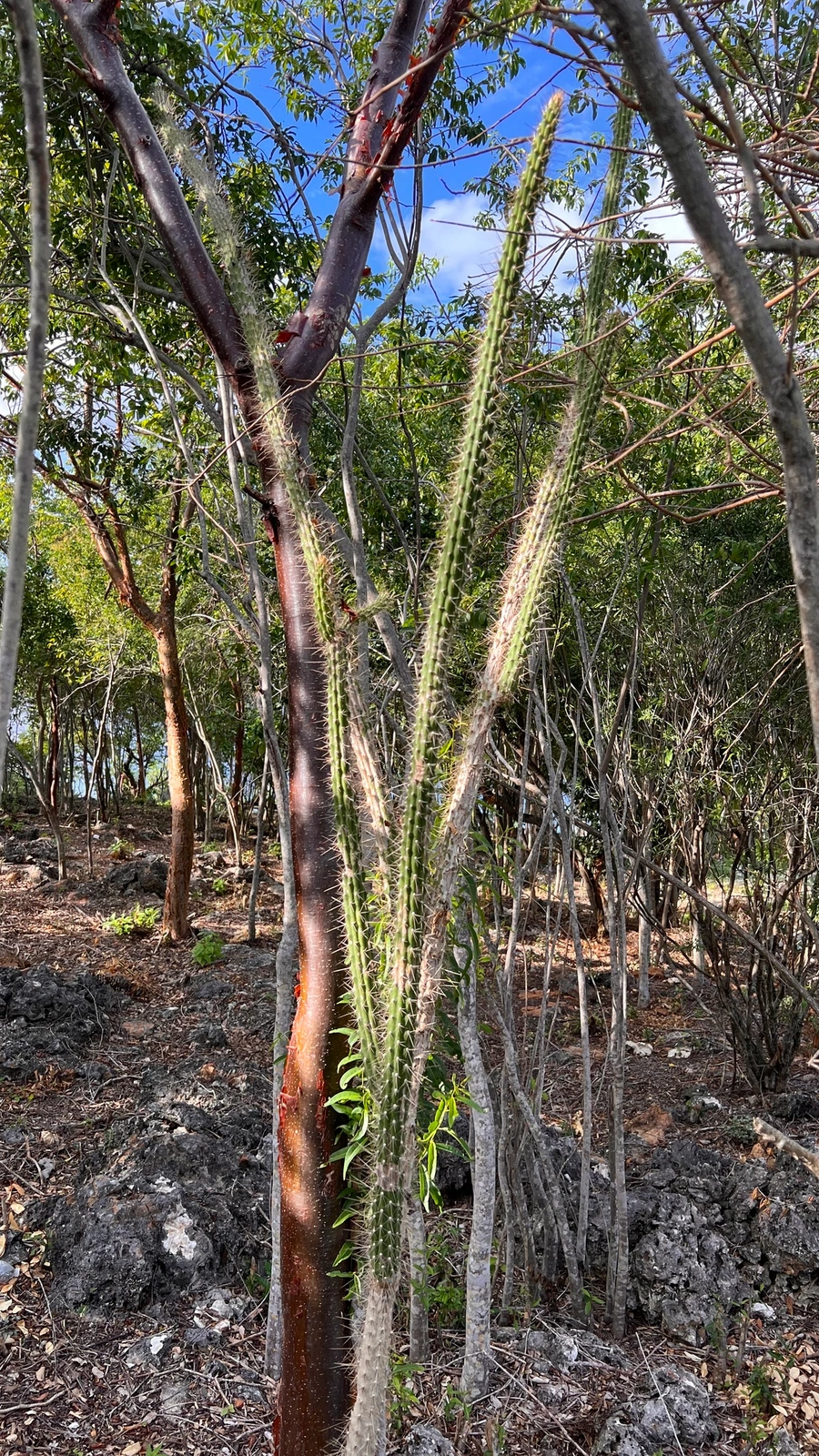 Reference image
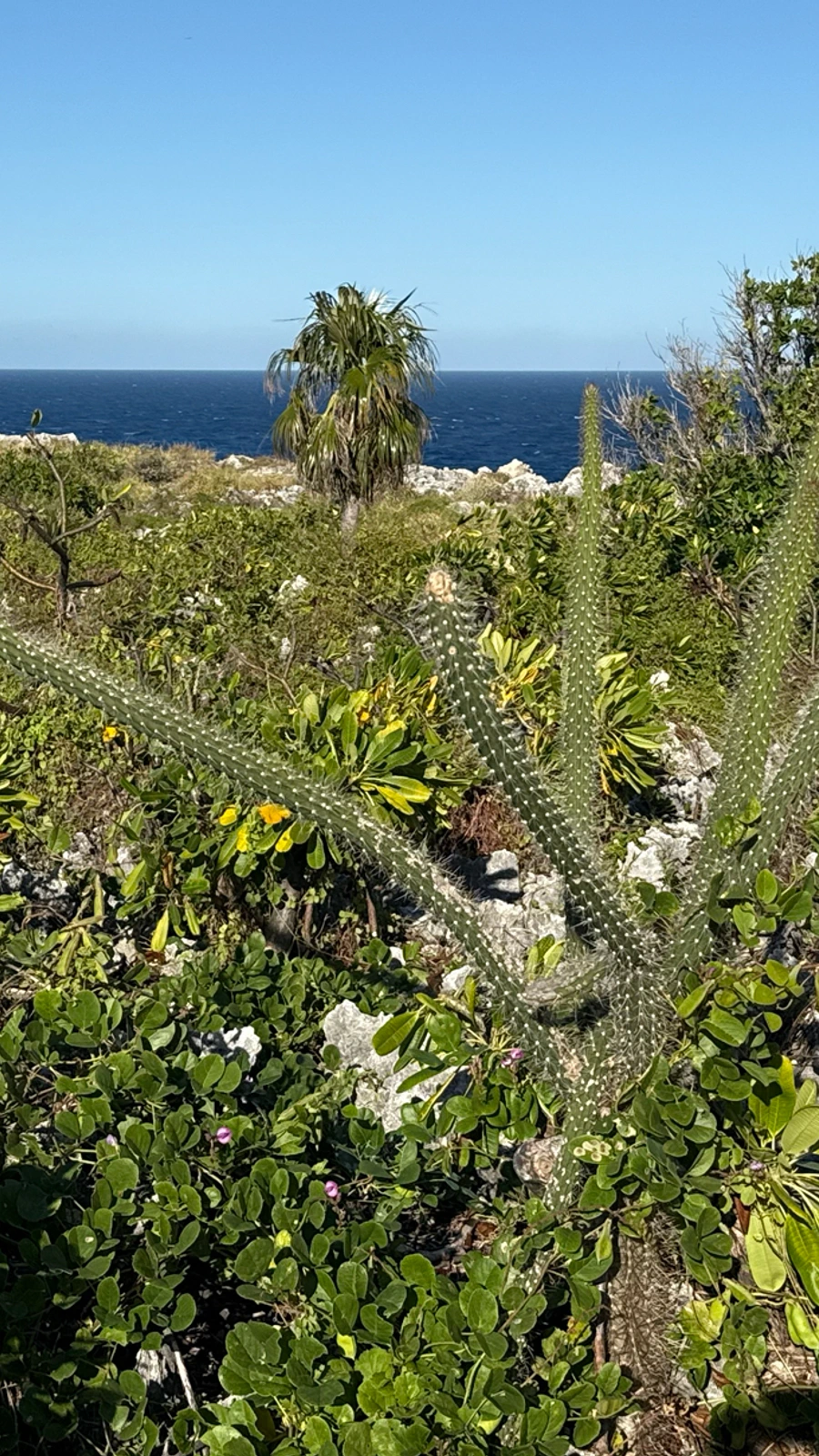 Reference image
Cayman Harrisia Cactus
Harrisia caymanensis is a rare, critically endangered shrubby succulent cactus belonging to the Cactaceae family, endemic to a very restricted geographic range 1.
This species is a member of the genus Harrisia, named after the Cayman Islands where it originates. Its synonyms include Cereus caymanensis. In Caribbean botanical surveys, it stands out as a unique representative of island cactus radiation 2.
Harrisia caymanensis is strictly endemic to the Cayman Islands (Grand Cayman, Cayman Brac, and Little Cayman). It thrives in seasonally dry tropical forests, limestone cliffs, and dry shrublands 1. Habitat loss due to coastal development has severely threatened its wild populations.
It forms an erect to sprawling shrubby habit with cylindrical, ribbed stems of a grayish-green hue. The stems bear sharp, slender brownish spines arising from small areoles. The plant produces large, nocturnal, funnel-shaped white flowers adapted for moth pollination, followed by globose, reddish-yellow edible fruits.
In cultivation, it requires highly porous, mineral-rich soils with limestone amendments. Watering should be highly controlled, allowing the substrate to dry completely between cycles. It demands bright, filtered sunlight and must be protected from frost, keeping winter minimums above 10°C.
Overwatering in poorly draining pots is the leading cause of root rot. Lack of adequate light results in weak, stretched stems (etiolation), which ruins the natural form of the cactus.
Requires bright, indirect sunlight; protect from harsh midday sun to prevent scorching.
Allow the potting medium to dry out completely before watering; keep dry in winter.
Use a well-draining cactus mix supplemented with grit, sand, and limestone gravel.
Non-toxic to pets, but has sharp spines that require careful handling.
Moderate care level, mainly demanding strict water control and frost protection.
Endemic to the limestone formations and seasonally dry coastal scrublands of the Cayman Islands.
