
Light
Bright Indirect Light
Requires bright, indirect sunlight or partially filtered sun for optimal growth.
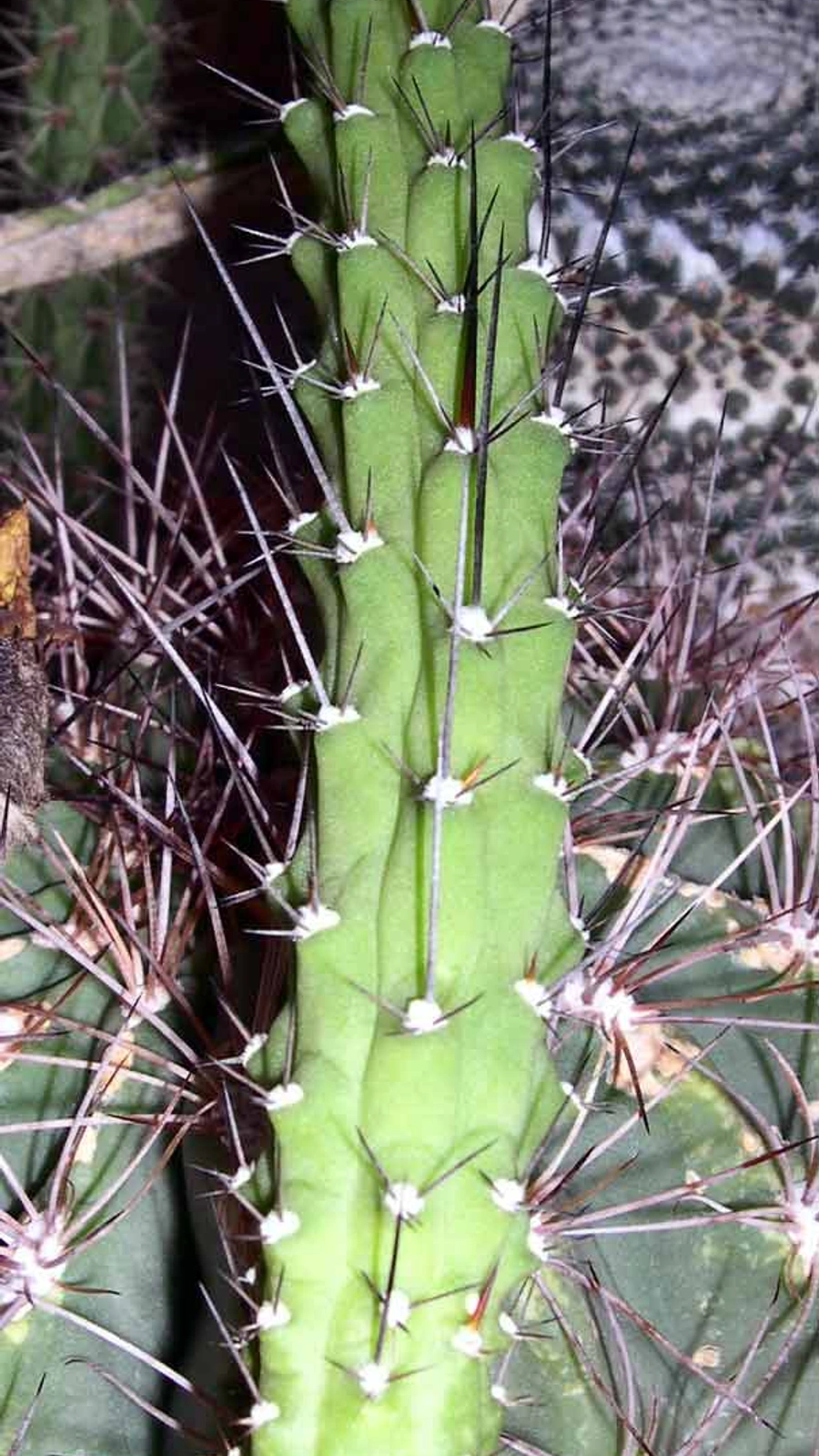 Reference image
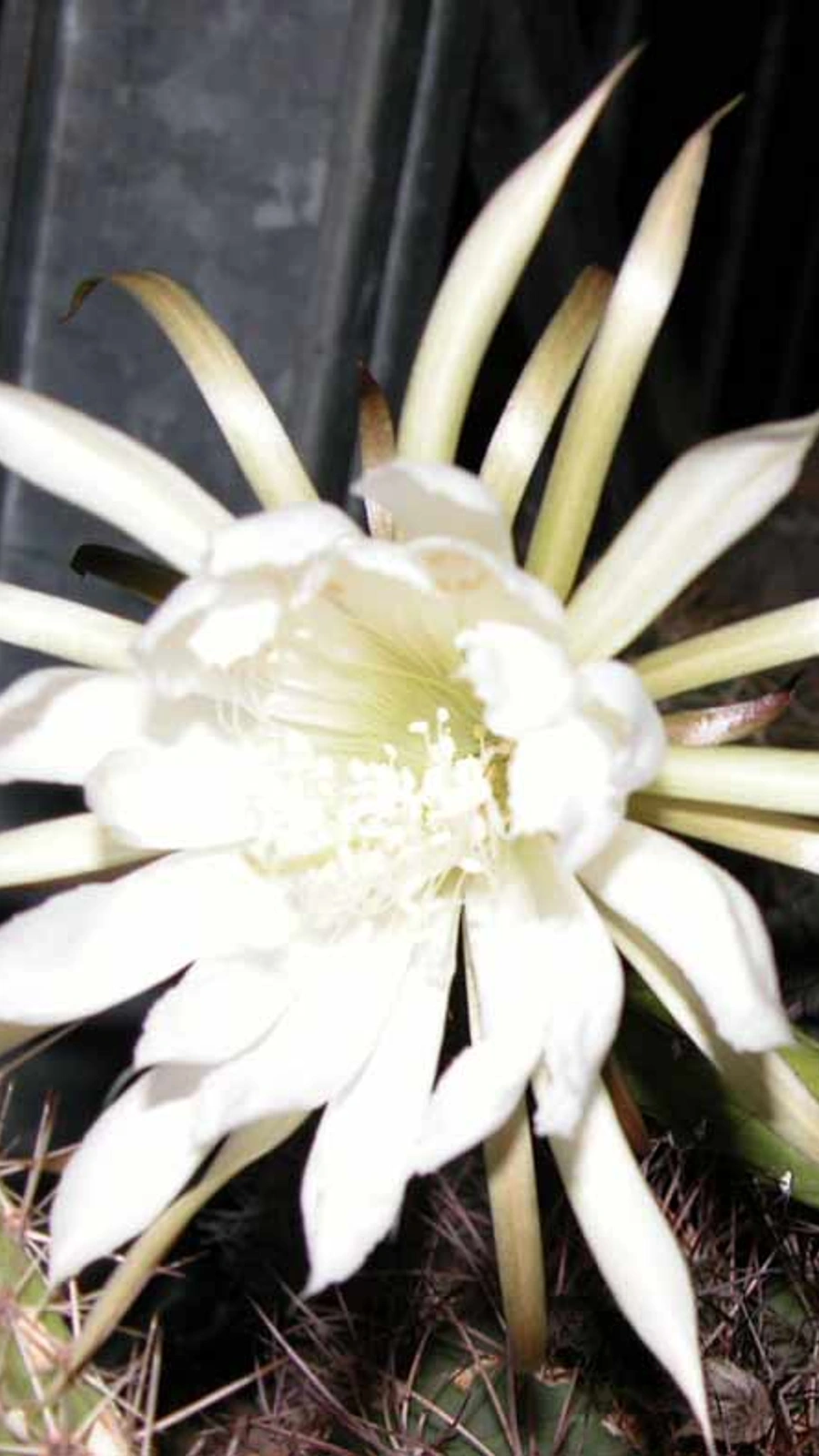 Reference image
Earle's Harrisia
Harrisia earlei is a rare, scrambling or semi-erect succulent shrub belonging to the Cactaceae family. Known for its climbing growth habit and spectacular nocturnal white blooms, this species is a prized specimen among succulent collectors and botanical gardens 1.
The species belongs to the genus Harrisia and was named in honor of the prominent botanical collector F.S. Earle 2. It is classified within the subfamily Cactoideae, distinguished by its ribbed stems and fleshy fruits, maintaining its distinct species status in modern databases such as POWO.
Harrisia earlei is endemic to the Caribbean, specifically found within the seasonally dry tropical environments of Cuba 1. It thrives in coastal thickets, deciduous forests, and rocky limestone outcroppings where the soil is highly mineralized and well-drained.
This plant features slender, cylindrical, light green stems with distinct ribs lined with small areoles. Each areole bears several needle-like, grayish spines. The most prominent feature is the nocturnal, funnel-shaped white flower that opens during summer nights, emitting a sweet fragrance 2. These flowers are followed by yellowish-red, globose, spine-free fruits.
In cultivation, it requires a very bright position with filtered or indirect sunlight. The substrate should mimic its native limestone soils, incorporating gravel, pumice, and a small amount of calcium source. Watering should be thorough but infrequent, allowing the soil to dry completely between cycles.
The most critical mistake is overwatering, which quickly causes root rot due to the plant's susceptibility to stagnant moisture. Insufficient airflow in humid environments can also cause fungal spotting on the stems.
Requires bright, indirect sunlight or partially filtered sun for optimal growth.
Allow substrate to dry completely between waterings; scale back drastically in winter.
Needs an extremely well-draining, mineral-heavy soil mix enriched with limestone grit.
Equipped with sharp spines; non-toxic to pets but handle with care to avoid physical injury.
Moderately easy if overwatering is avoided and proper winter dormancy is provided.
Endemic to the island of Cuba in the Caribbean, where it grows in dry tropical thickets and rocky limestone terrain under seasonal drought conditions.
