
Light
Bright Indirect Light
Prefers bright, indirect light; can tolerate some direct morning sun.
 Reference image
 Reference image
Puerto Rico Apple Cactus
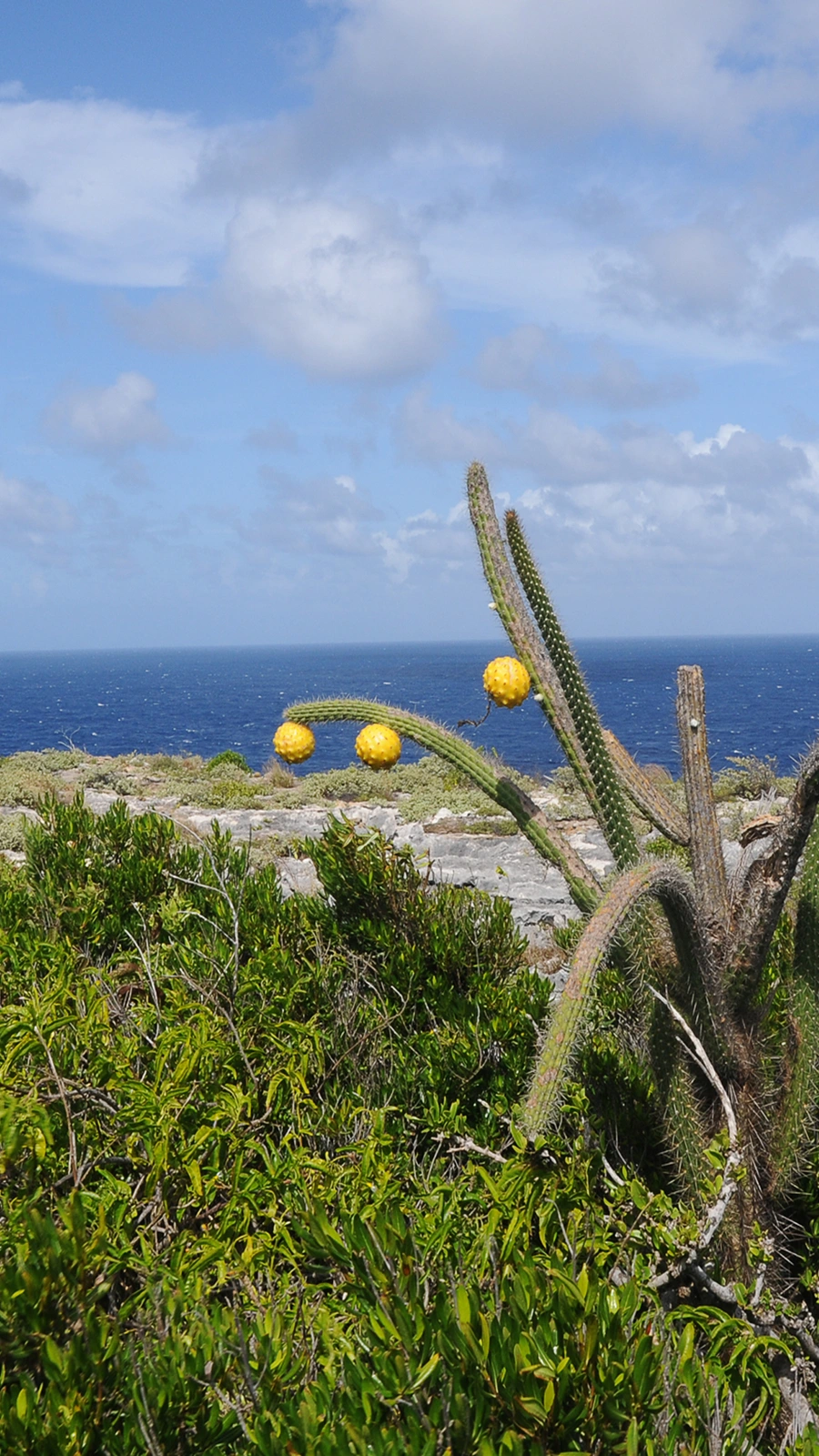
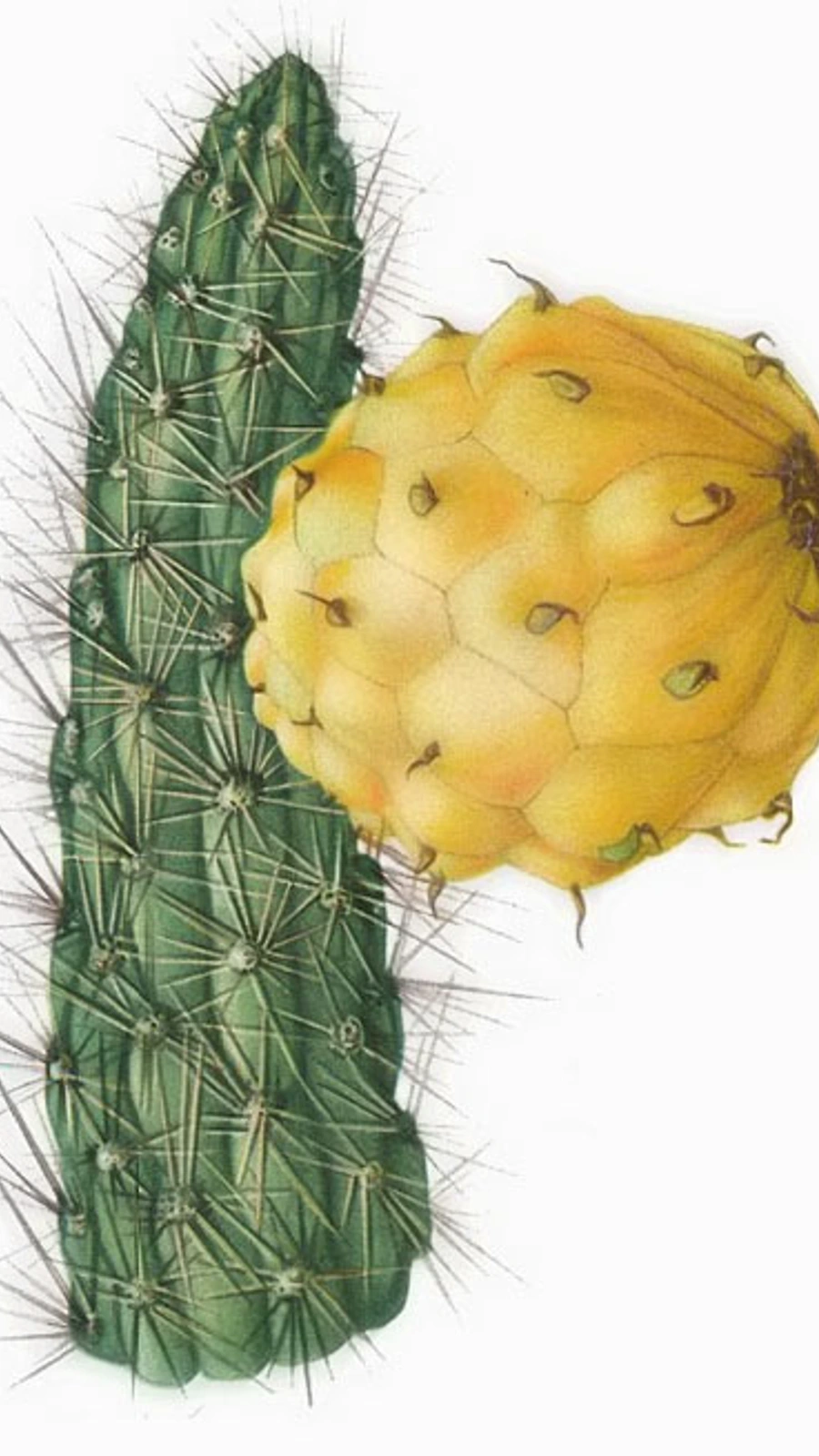
Harrisia portoricensis, commonly known as the Puerto Rico apple cactus, is a rare and endangered columnar cactus belonging to the family Cactaceae. It is highly valued for its elegant slender branches and nocturnal blooms 1.
Described scientifically by Britton and Rose, this species is named after its native archipelago of Puerto Rico. Locally, it is often referred to as "Higo escuero". It belongs to the genus Harrisia, which comprises several dry-forest cacti native to the Caribbean 2.
This species is endemic to Puerto Rico, specifically restricted to three small offshore islands: Mona, Monito, and Desecheo. It thrives in seasonally dry tropical forests, growing on limestone substrates and coastal scrubland 1. Due to its restricted range and habitat degradation, it is listed as Endangered on the IUCN Red List 2.
Harrisia portoricensis exhibits an erect or sprawling growth habit, with stems reaching up to 2 meters. The slender green branches have 10 to 11 ribs lined with sharp spines. Its nocturnal flowers are funnel-shaped, white to pale yellow, and give way to smooth, round, yellow edible fruits.
In cultivation, it requires conditions that mimic its dry tropical habitat. A highly porous, mineral-rich potting medium with excellent drainage is crucial. Place it in a location with bright, indirect sunlight and water only when the substrate has dried out completely.
Overwatering is the most common cause of failure, quickly leading to root rot in poorly drained soils. Insufficient light can cause etiolation (stretching), weakening the plant's structure. Additionally, exposing this tropical cactus to freezing temperatures will cause severe tissue damage 1.
Prefers bright, indirect light; can tolerate some direct morning sun.
Allow soil to dry out completely. Water weekly in summer, monthly in winter.
Mineral-rich, well-draining soil with pumice, coarse sand, and limestone.
Non-toxic to pets, but has sharp spines that can cause physical injury.
Moderate. Requires careful watering control and frost protection.
Endemic to the dry limestone forests of Mona, Monito, and Desecheo islands in Puerto Rico.
