
Light
Bright Indirect Light
Prefers bright, indirect light or filtered morning sun.
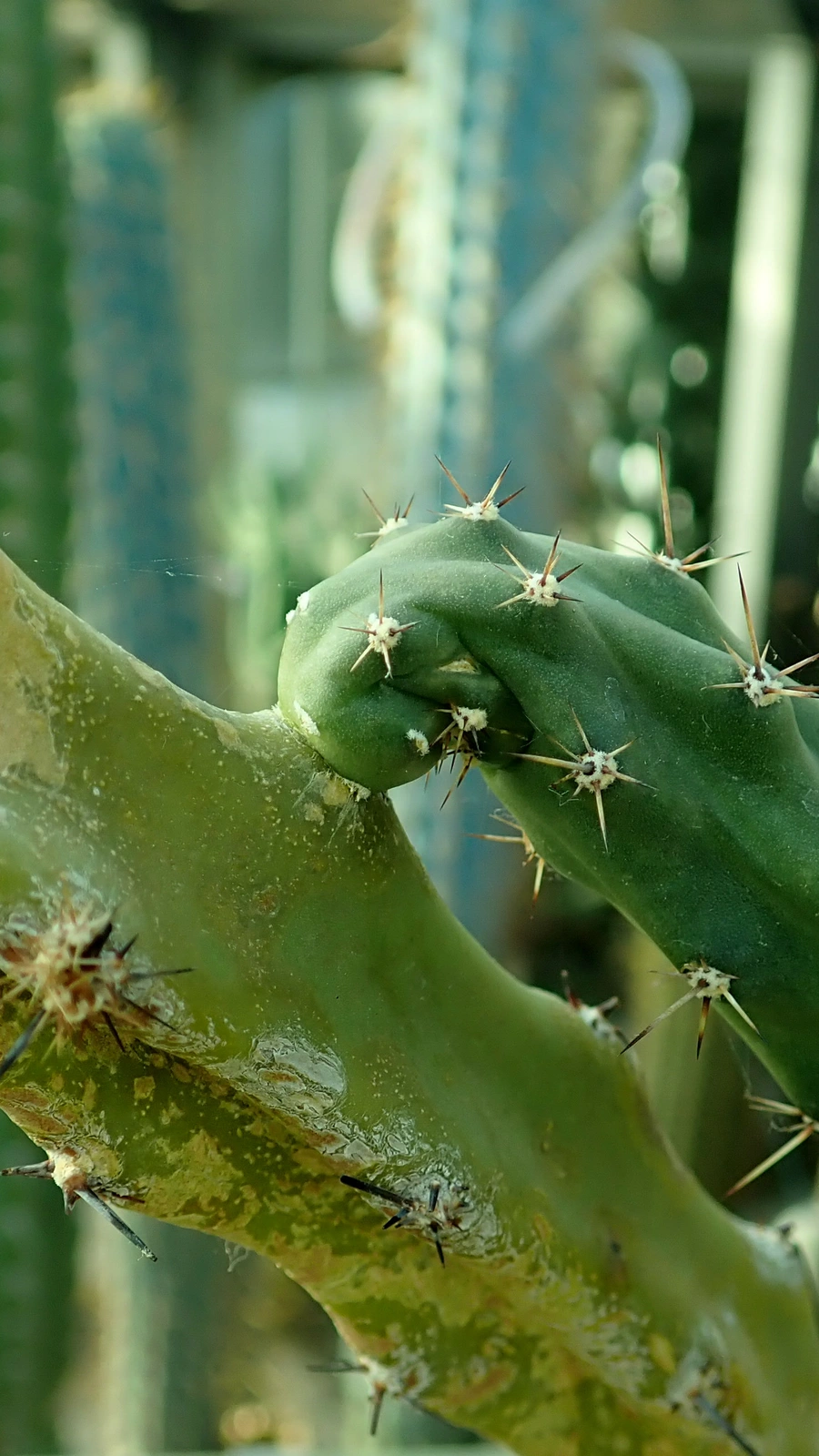 Reference image
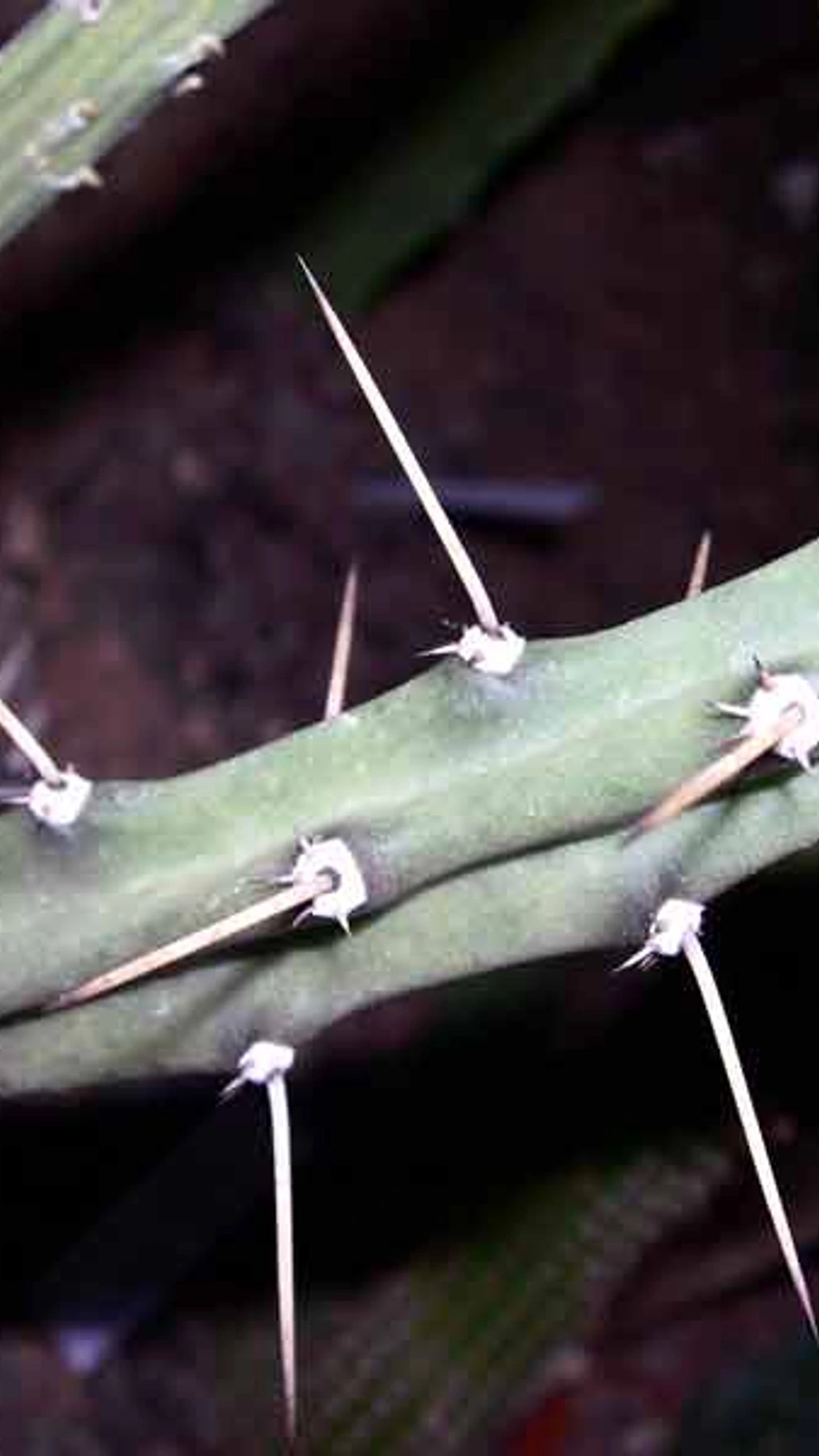 Reference image
Regel's Harrisia
Harrisia regelii is a distinctive scrambling or shrubby succulent cactus species belonging to the Cactaceae family. Known for its nocturnal, fragrant white flowers and attractive red fruits, this species is highly valued in succulent collections and sub-tropical landscaping 1.
Named after the renowned botanist Eduard August von Regel, the species is classified under the genus Harrisia. It is sometimes referred to in older botanical literature by its synonym, Eriocereus regelii. It stands out in its genus due to its slender, highly branched stems and climbing habit 2.
Native to Southern South America, Harrisia regelii is widely distributed across several provinces of Argentina (including Entre Ríos, Buenos Aires, Formosa, and Córdoba) as well as Uruguay. It typically thrives in subtropical, semi-arid woodlands, rocky outcrops, and shrubby thickets where it uses other vegetation for support.
The plant features thin, cylindrical, segmented stems that scramble over surrounding rocks or shrubs. The ribs are moderately defined with small, needle-like spines clustered along the aeroles. During warm summer nights, it produces large, spectacular white-to-cream funnel-shaped flowers that are pollinated by moths. These are followed by edible, globose, bright red seed pods 1.
In cultivation, Harrisia regelii requires well-aerated, fast-draining soil mixes and bright, filtered sunlight. While it appreciates regular watering during its active growing phase in spring and summer, the soil must dry out completely between waterings. It has a moderate tolerance to low temperatures but must be protected from freezing frosts.
The most prevalent issue is root rot caused by overwatering or compacted soil. Insufficient lighting leads to etiolation, where the stems grow abnormally thin, pale, and weak, hindering the plant's ability to bloom.
Prefers bright, indirect light or filtered morning sun.
Allow soil to dry out 100% between waterings. Reduce drastically in winter.
Requires a gritty, highly porous cactus mix containing pumice or perlite.
Equipped with sharp spines; keep out of reach of children and curious pets.
Very easy to care for, provided it is not subjected to standing water.
Native to the subtropical regions of Argentina and Uruguay, thriving in rocky soils, open dry forests, and shrublands.
