
Light
Bright Indirect Light
Prefers bright, indirect or filtered light; protect from scorching midday sun.
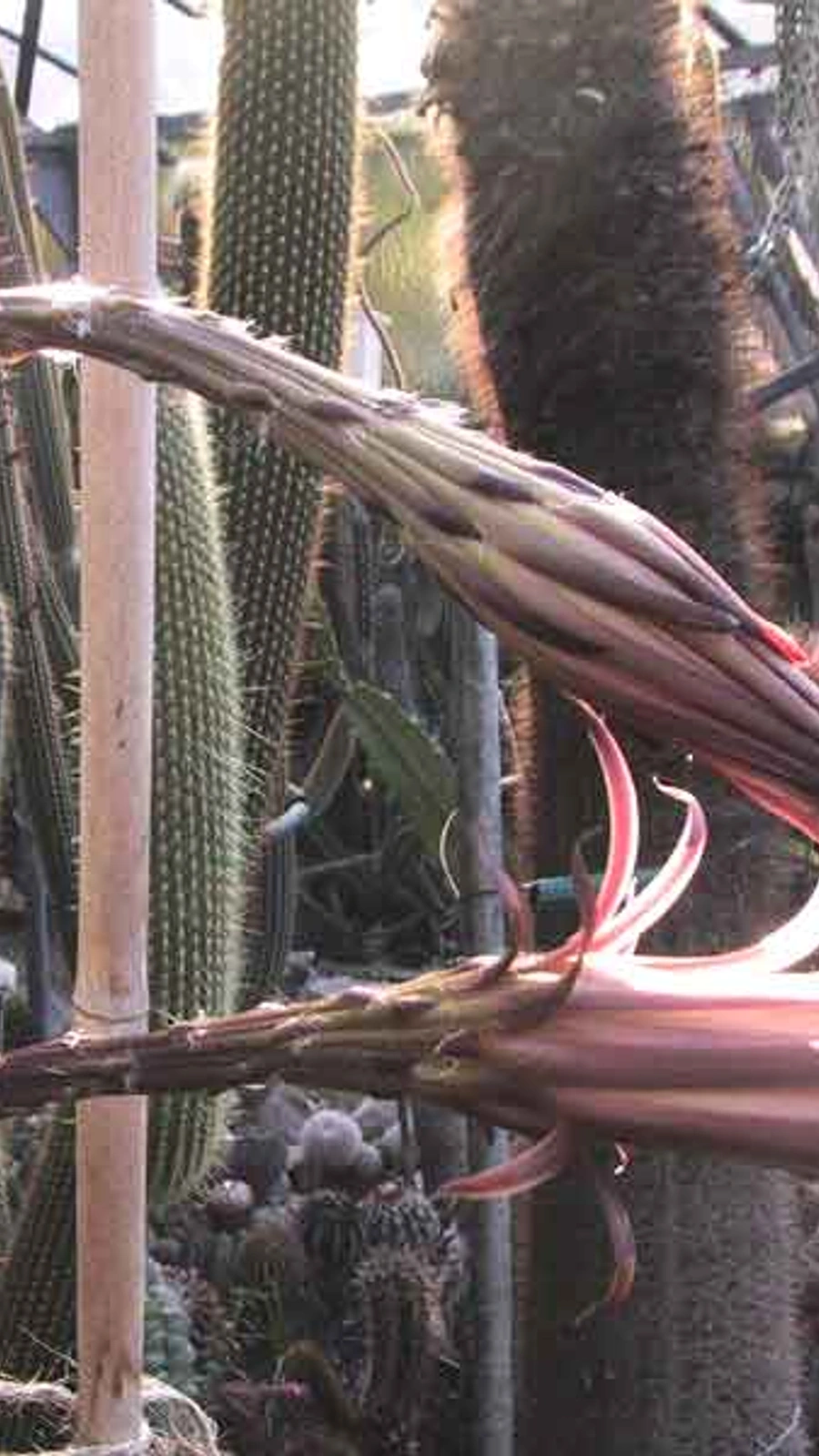 Reference image
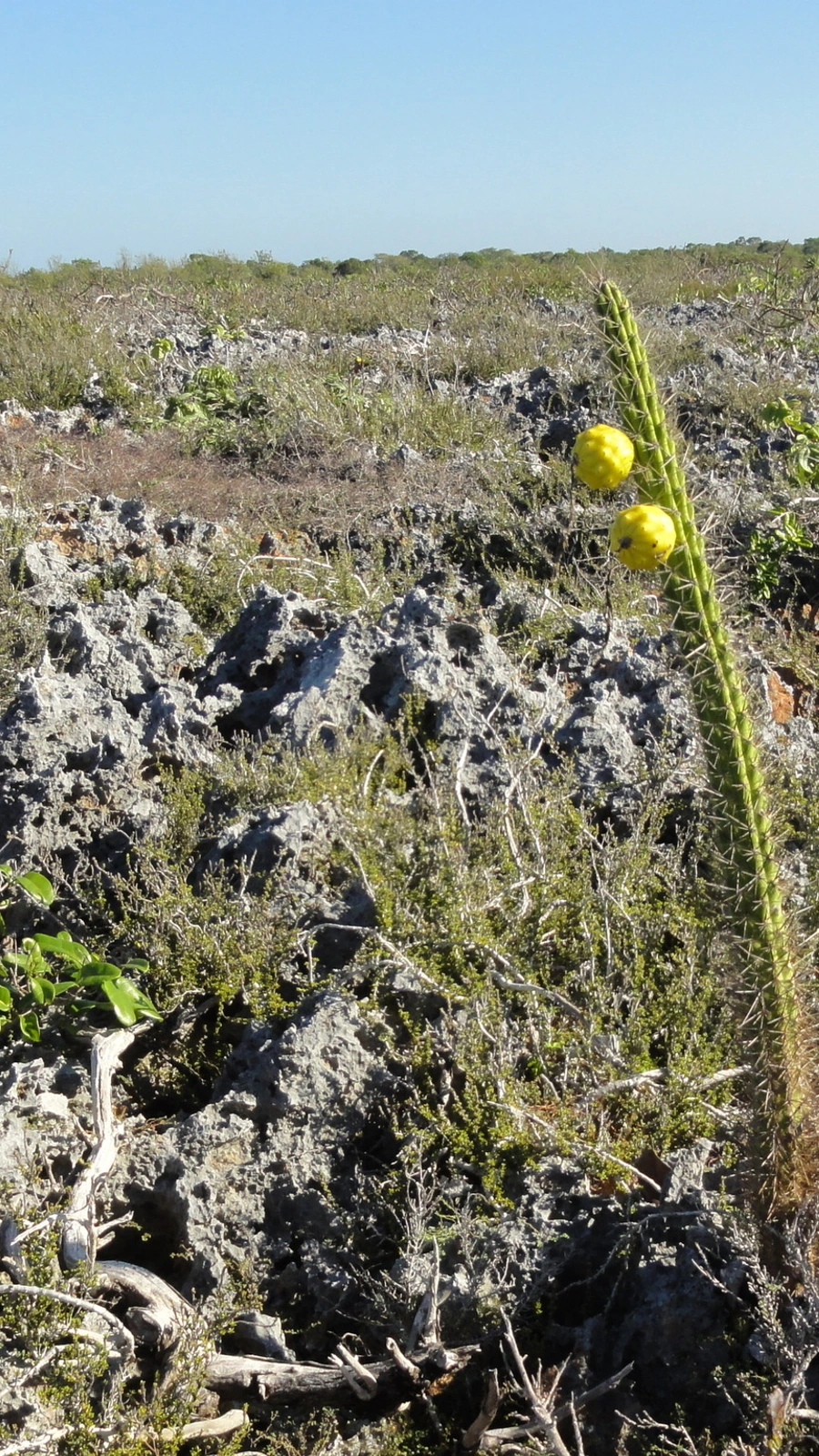 Reference image
Harrisia Taetra
Harrisia taetra is a rare and striking member of the Cactaceae family. Characterized by its subshrubby, columnar growth and large nocturnal blooms, this succulent is a prized species among cactus collectors and desert plant enthusiasts 1.
The genus Harrisia honors William Harris, a prominent superintendent of public gardens in Jamaica. The specific epithet taetra likely refers to the rugged, formidable spination of the plant, which contrasts beautifully with its delicate, short-lived nocturnal flowers 2.
Endemic to the western parts of Cuba, this species thrives in seasonally dry tropical biomes, growing among coastal rocks, limestone terraces, and coastal scrub forests under intense sunlight 1.
This cactus forms branched, cylinder-like green stems with pronounced longitudinal ribs. Along the ribs are closely spaced areoles bearing sharp, stiff, and needle-like spines. In the heat of summer, it produces spectacular white to cream-colored funnelform flowers that open at night and close by morning.
In cultivation, Harrisia taetra requires a very porous, mineral-rich potting medium to prevent root damage. It demands bright, filtered sunlight and protection from severe winter frosts, preferring temperatures to remain above 8°C 2.
The most frequent errors in caring for this species include overwatering during the dormant winter period, using soil mixtures that retain too much moisture, and placing the plant in dim areas where it cannot receive adequate light.
Prefers bright, indirect or filtered light; protect from scorching midday sun.
Water thoroughly only when the soil is completely dry. Keep dry in winter.
Requires extremely well-draining cactus mix with high mineral content (pumice, perlite).
Features sharp spines. Handle with thick protective gloves and keep away from children.
Moderate care level, requiring strict watering control and cold protection.
Endemic to western Cuba, where it naturally inhabits dry coastal scrublands, rocky limestone cliffs, and tropical dry forest environments.
