
Light
Bright Indirect Light
Thrives in bright, filtered indirect sunlight. Avoid direct, scorching afternoon sun.
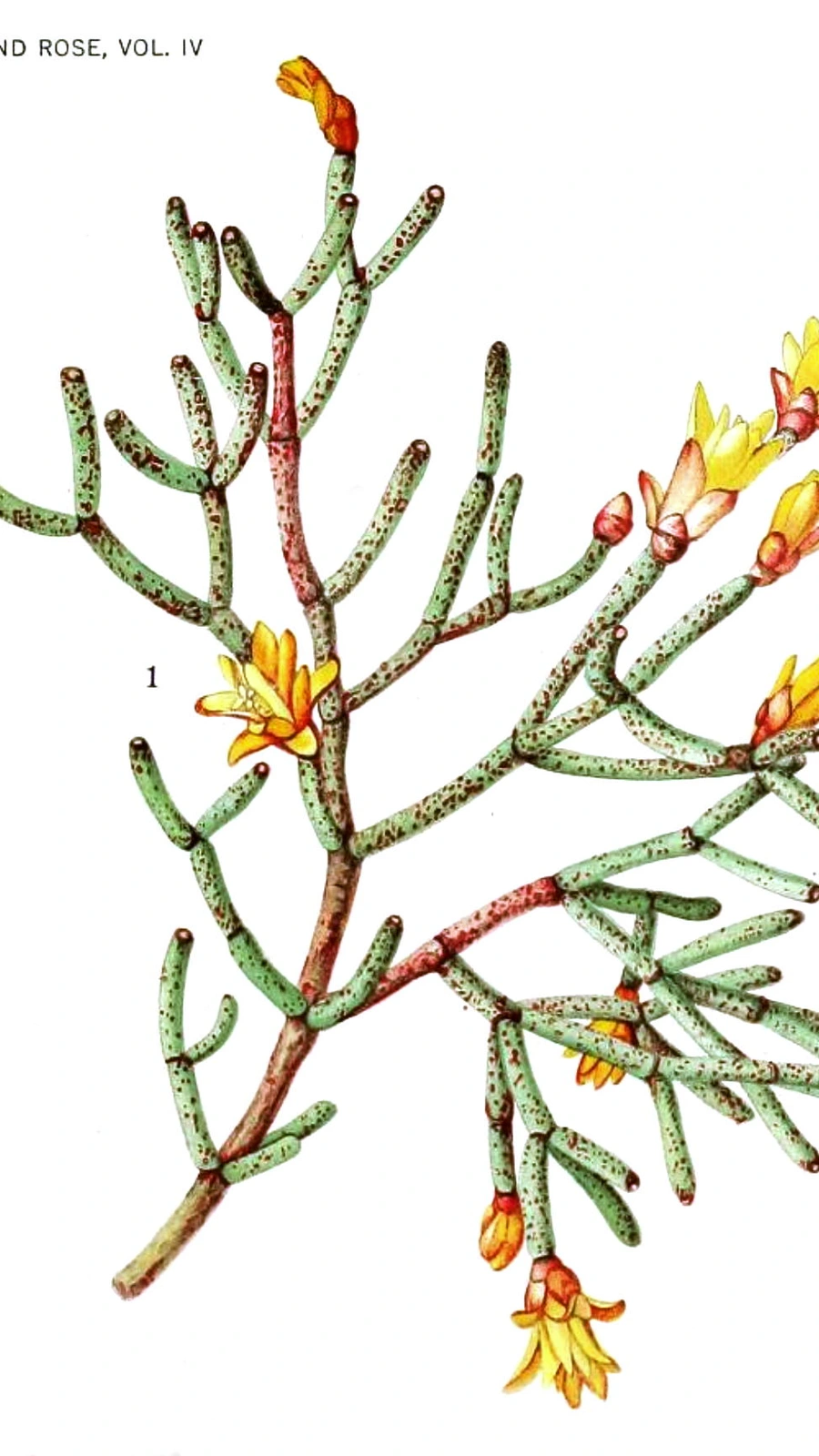 Reference image
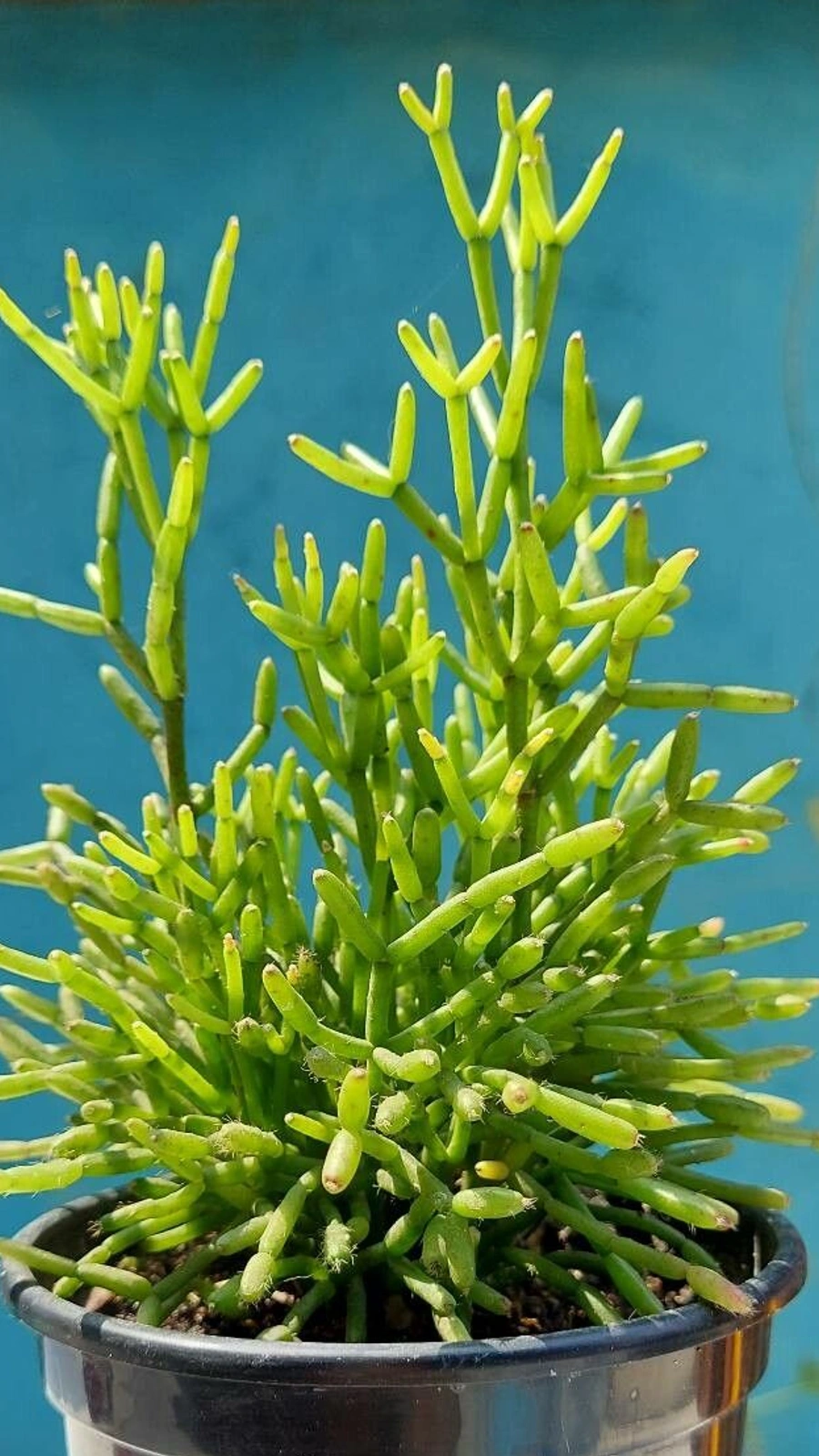 Reference image
Cylindrical Bone Cactus
Hatiora cylindrica is an epiphytic cactus species of the Cactaceae family, known for its unique branched structure resembling small bones or jointed bottles. In its native environment, it grows on tree trunks or rocky substrates, utilizing them solely for physical support while drawing moisture from the humid air.
This species belongs to the tribe Rhipsalideae within the subfamily Cactoideae 1. The genus name Hatiora is an anagram of Hariot, dedicated to the 16th-century English mathematician and cartographer Thomas Harriot. The specific epithet cylindrica refers to the rounded shape of its vegetative segments.
Endemic to eastern and southeastern Brazil, this species is found in states like Bahia, Minas Gerais, Rio de Janeiro, and Espírito Santo 2. It is restricted to the moist, subtropical forests of the Atlantic Forest biome (Mata Atlântica). Due to habitat loss and fragmentation, its wild populations are currently threatened.
The plant consists of segmented, cylindrical, green stems that branch dichotomously. The segments lack sharp spines, featuring only tiny bristles on their areoles. In spring, terminal yellow or deep orange flowers emerge from the apical areoles, creating a stunning visual display 3.
Unlike desert cacti, Hatiora cylindrica requires a shaded environment with high ambient humidity. It thrives in porous, well-aerated media such as a mixture of peat, pine bark, and perlite. Regular watering is necessary during active growth, preventing the medium from drying out completely.
The most frequent error is treating it like a desert succulent. Over-watering in heavy soil causes immediate root rot, while extended droughts lead to joint drop and shriveling.
Thrives in bright, filtered indirect sunlight. Avoid direct, scorching afternoon sun.
Keep the soil evenly moist but never waterlogged. Reduce watering in winter.
Requires an acidic, coarse, well-draining epiphytic or orchid-potting mix.
Non-toxic to cats, dogs, and humans. Safe for household cultivation.
Moderate care; requires a balance between adequate moisture and perfect drainage.
Native to the coastal Atlantic Forest biome of Brazil, where it grows as an epiphyte on trees, benefiting from the rich organic debris, warm temperatures, and high moisture levels of the jungle canopy.
