
Light
Filtered Sun
Bright, filtered sunlight is best. Direct midday sun can scorch the leaves.
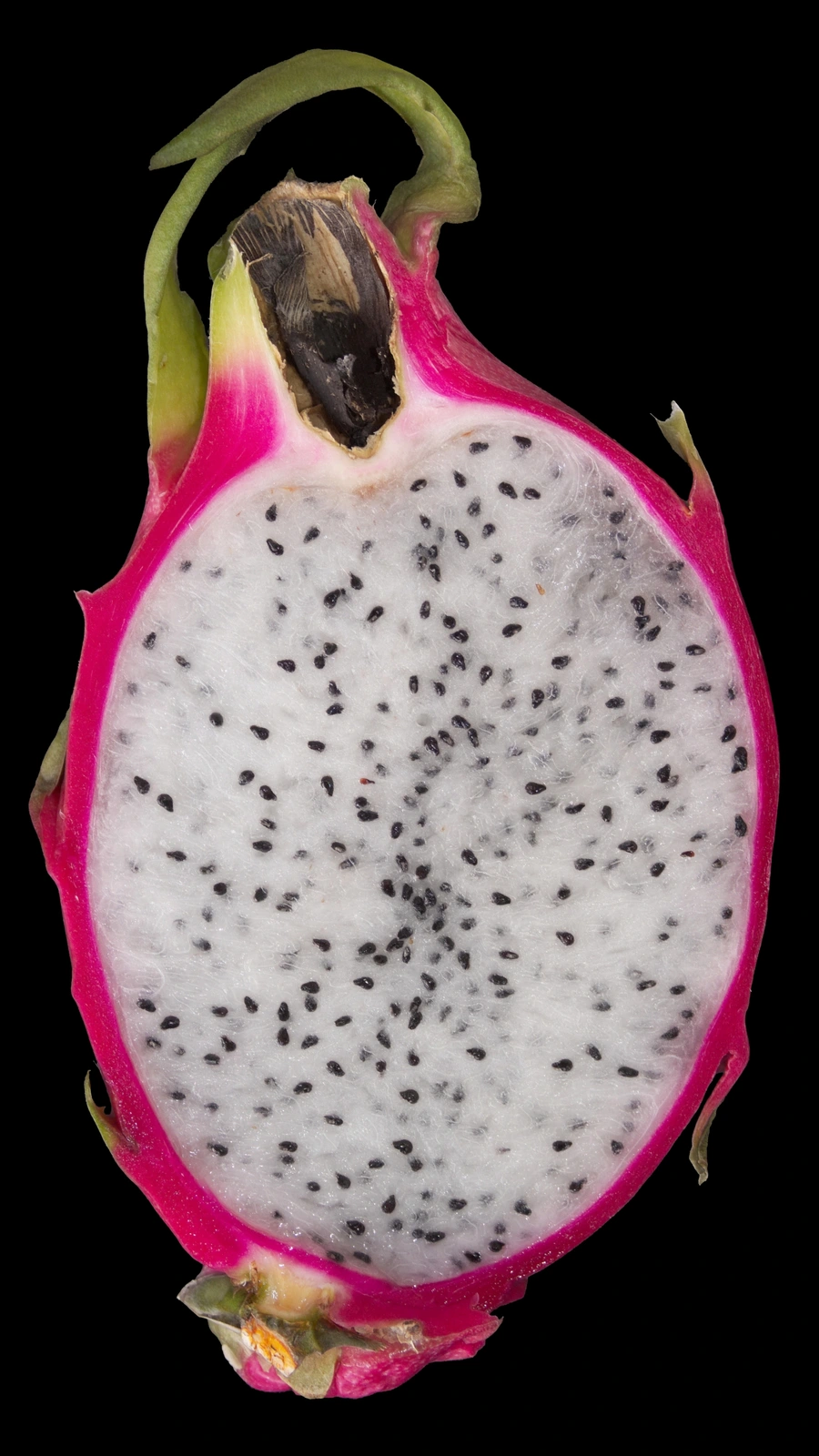
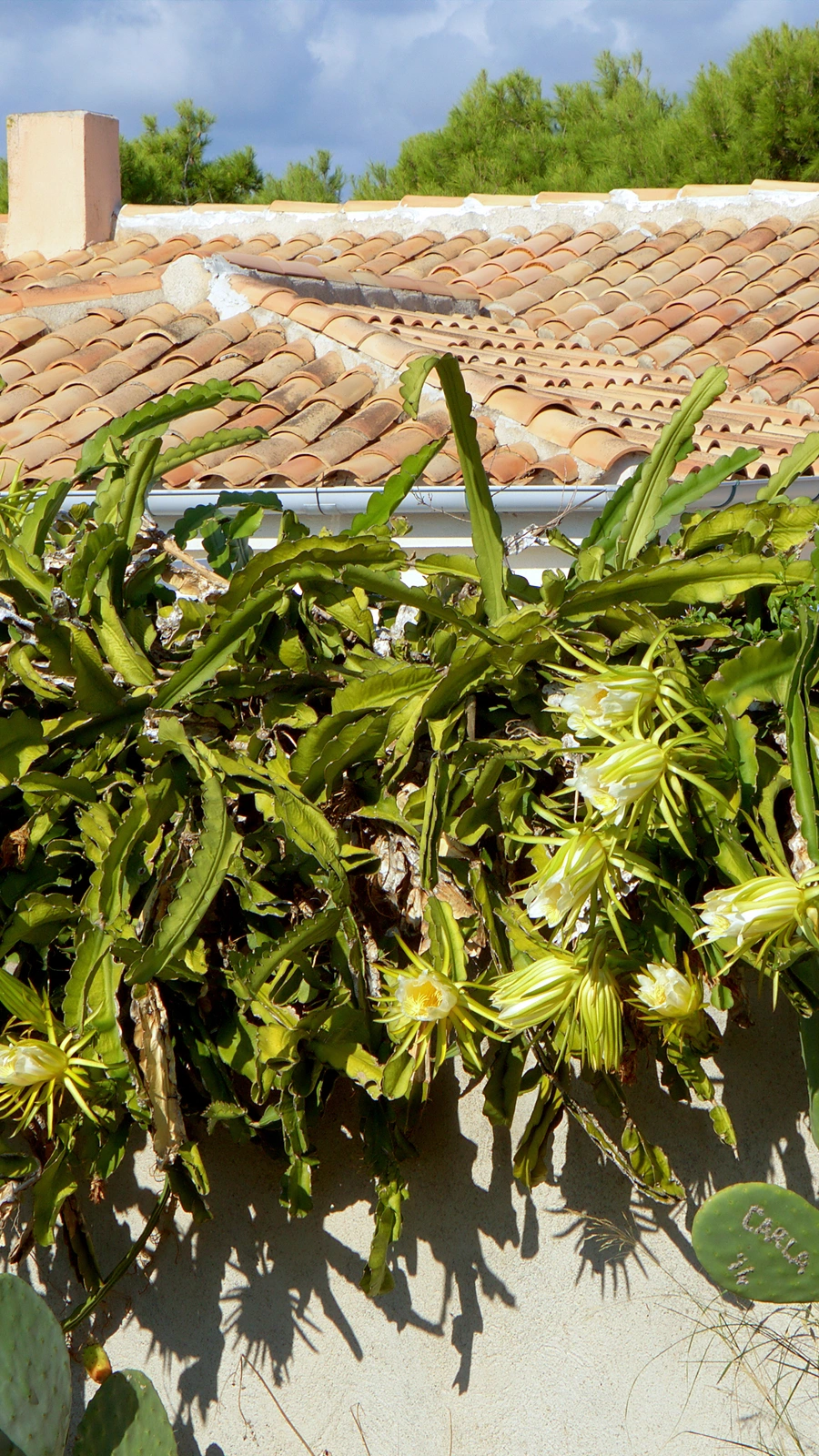
Dragon Fruit Cactus
Hylocereus × stendatus is a hybrid cactus species popularly known as the dragon fruit cactus, cultivated for both ornamental purposes and fruit production. This plant exhibits the unique characteristics of tropical cacti, leading an epiphytic or lithophytic lifestyle. Its stems are typically triangular in cross-section, green, and segmented, tending to climb by developing aerial roots 1. The plant is notable for its large, showy, often white flowers that bloom primarily at night. Following successful pollination, these flowers give rise to delicious dragon fruits (pitaya), characterized by their bright pink or yellow scaly exterior and white or red pulpy interior dotted with black seeds.
The parentage of this hybrid species stems from Hylocereus species (now often reclassified under the genus Selenicereus), native to the tropical and subtropical forests of Central and South America. Hylocereus × stendatus is typically obtained through the cross-pollination of specifically selected varieties for commercial fruit production and home gardening. This makes it a cultivated plant primarily created by humans rather than one with a specific natural distribution range. Due to its climbing nature, the plant requires a supportive structure or tree. It can grow quite rapidly when provided with adequate sunlight and humidity.
The dragon fruit cactus is favored in gardens and indoor spaces not only for its fruit but also for its exotic appearance. Its care requires special attention compared to desert cacti, as it demands more humidity and nutrients. Well-draining, organically rich soil and ample light are crucial for optimal growth and fruit yield. The captivating beauty of its nocturnal blooms, followed by its nutritious fruits, makes this cactus appealing to both botanical enthusiasts and those seeking healthy dietary options 2.
References:
Bright, filtered sunlight is best. Direct midday sun can scorch the leaves.
Water thoroughly when the soil dries out in summer. Reduce frequency in winter but don't let it dry completely.
Use a well-draining cactus and succulent mix, rich in organic matter.
Its fruit is edible, and the plant is generally non-toxic. Safe for pets.
Moderate difficulty; it requires more attention and tropical conditions than desert cacti.
Hylocereus × stendatus is a cultivated hybrid resulting from human-made crosses of various Hylocereus species, which are naturally found in the tropical forests of Central and South America. Therefore, it does not have a specific wild native range; its origin traces back to the broad tropical habitats of its parent species.
