
Light
Bright Indirect Light
Filtered or bright indirect light. Avoid hot, direct afternoon sun.
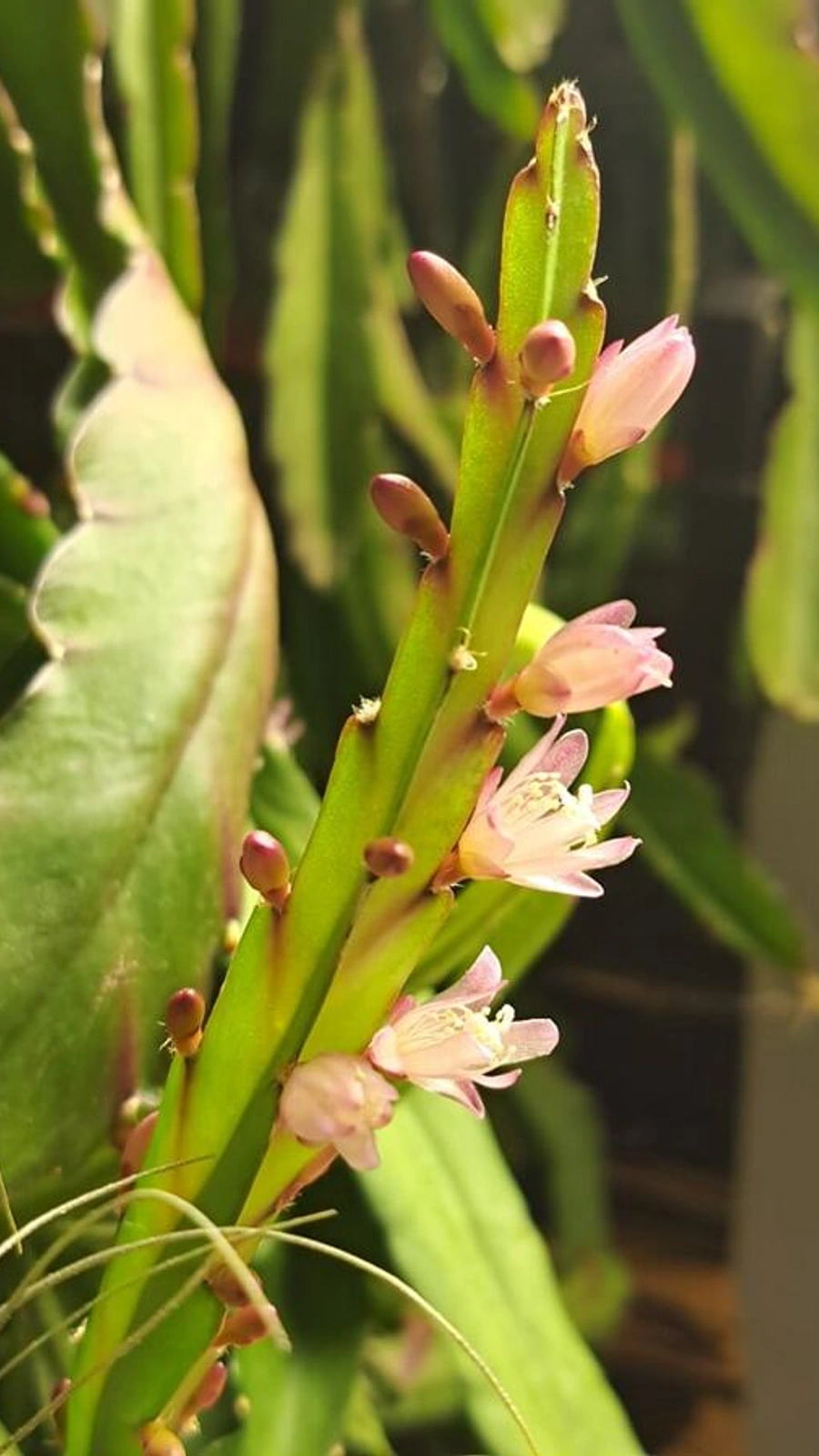 Reference image
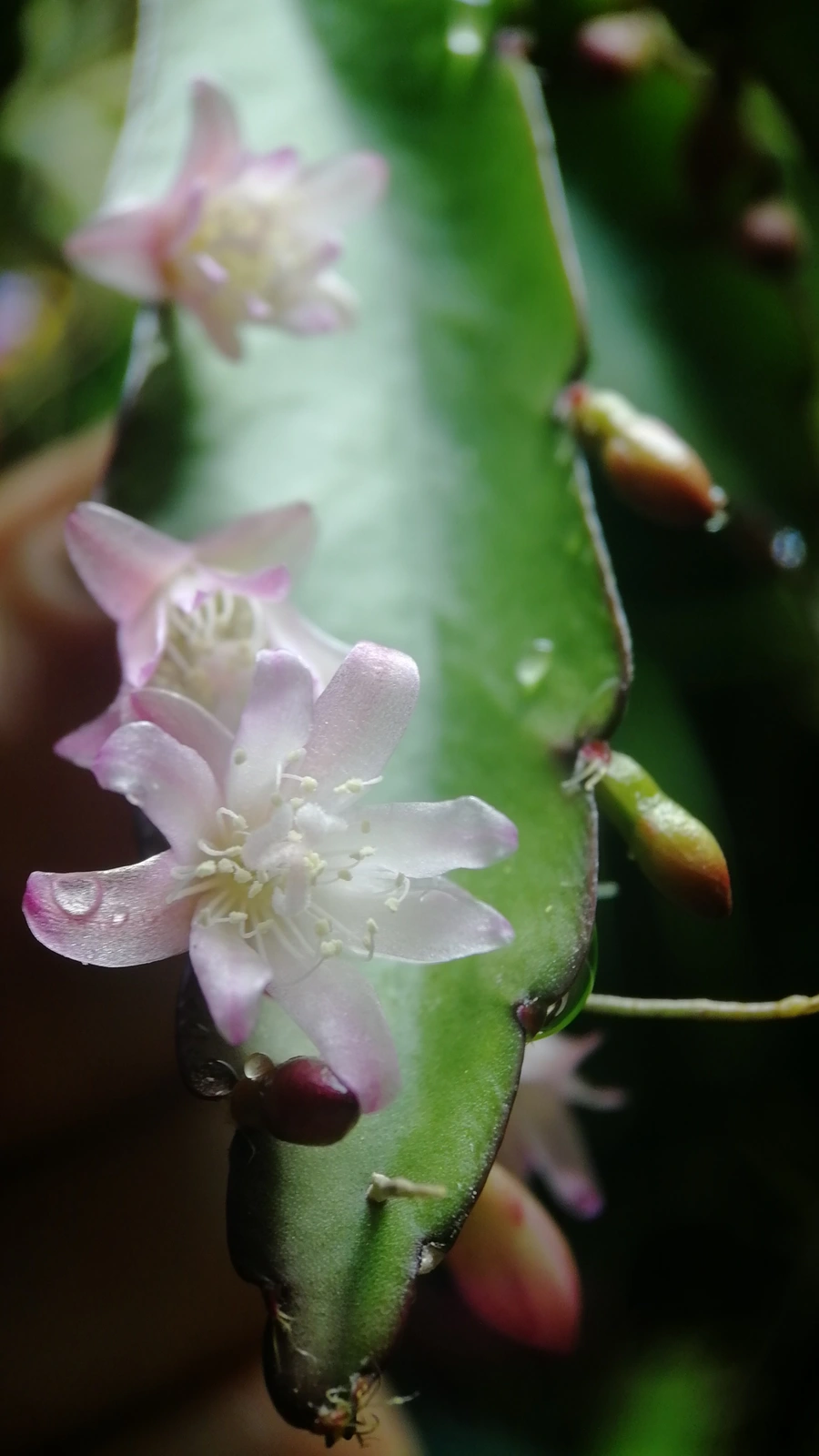 Reference image
Lepismium floribundum is a unique epiphytic cactus species belonging to the family Cactaceae, characterized by its cascading, trailing stems 1. Unlike typical desert cacti, it thrives in the subtropical rainforest canopy, growing on tree trunks or rock crevices. It is a highly valued ornamental plant for hanging baskets due to its delicate structure and profuse blooming.
Belonging to the genus Lepismium, the name is derived from the Greek word 'lepis', meaning scale, referring to the small scale-like structures on the stems. The specific epithet 'floribundum' denotes its highly floriferous habit, producing abundance of flowers during its blooming season 2. It has historically been associated with the genus Rhipsalis.
This species is native to Southern America, specifically restricted to the southern and southeastern regions of Brazil, including Paraná, Rio Grande do Sul, and Santa Catarina 1. It inhabits humid, subtropical forests where it grows under the partial shade of the forest canopy, benefiting from high ambient humidity and air movement.
The plant features elongated, flat or slightly angled green segments that gracefully drape downwards. Small areoles line the margins of the segments. In late spring and summer, numerous small, bell-shaped, creamy white to pale pink flowers erupt from these areoles, which later develop into small, globose, colorful berries 2.
In cultivation, it requires bright, filtered light and protection from harsh direct afternoon sun. The growing medium should be highly porous, mimics its natural epiphytic habitat with orchid bark and perlite. Unlike desert cacti, it prefers consistent moisture without being waterlogged, and benefits from moderate to high indoor humidity levels.
The most prevalent mistake is overwatering, which leads to root rot in dense, poorly-drained soils. Conversely, treating it like a dry desert cactus by letting it dry out completely for extended periods will cause stem shriveling. Inadequate light results in weak, leggy growth and a lack of flowers 1.
Filtered or bright indirect light. Avoid hot, direct afternoon sun.
Water once the top layers of soil dry out. Do not let it stand in soggy soil.
Very airy, well-draining epiphytic mix with orchid bark, peat, and coarse perlite.
Non-toxic and generally safe for households with cats, dogs, and children.
Easy; very resilient as long as it is not overwatered and is kept warm.
Found natively in the coastal and inland subtropical rainforests of Southern Brazil, growing as an epiphyte nestled in tree branches.
