
Light
Bright Indirect Light
Enjoys bright, indirect light or filtered sunlight. Avoid direct, harsh afternoon sun.
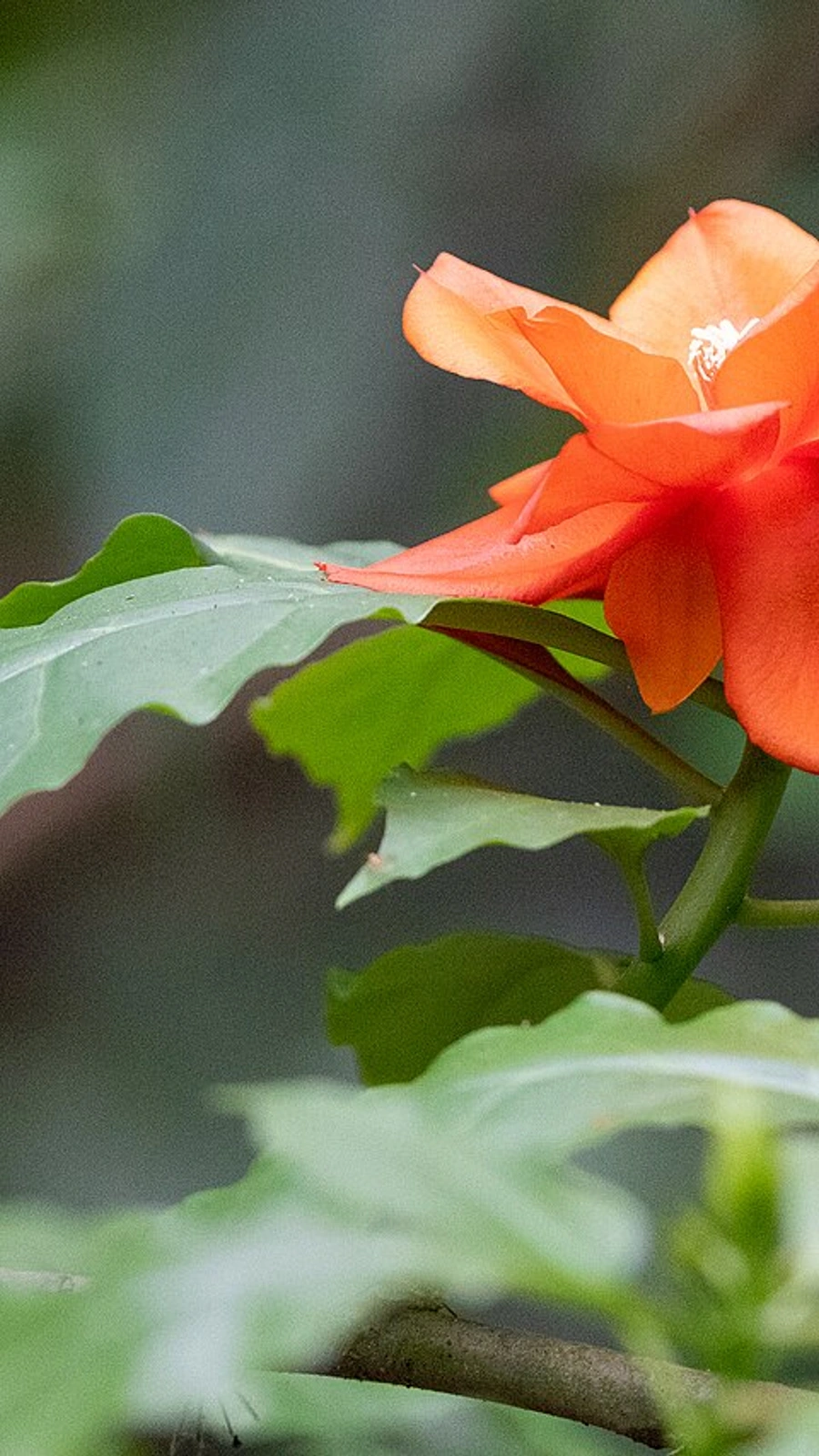
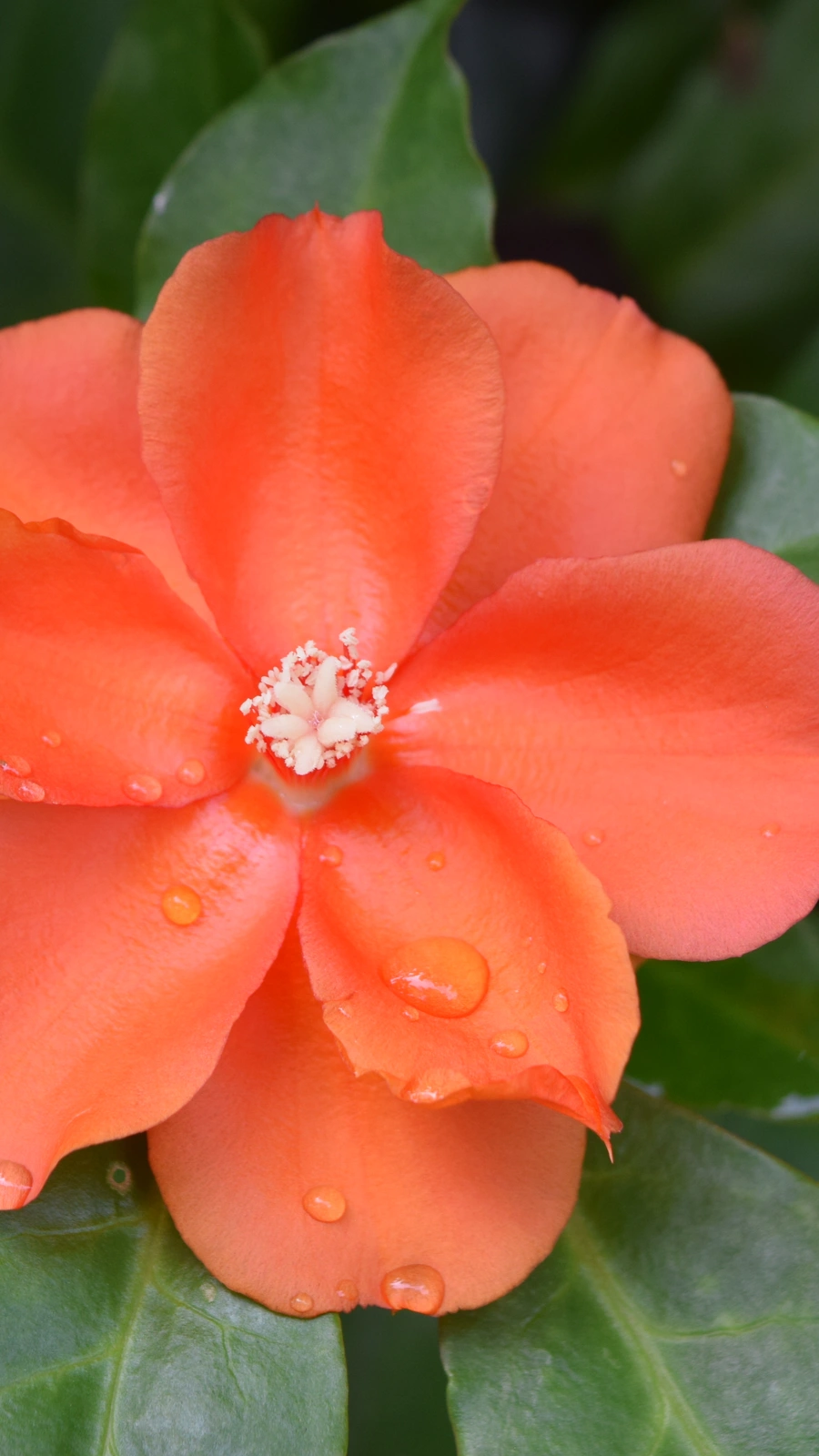
Rose Cactus
Leuenbergeria bleo, commonly known as the rose cactus, is a unique and primitive member of the family Cactaceae. Unlike most familiar cacti, it features prominent green leaves and a woody tree-like growth habit 1.
Originally described in 1828 as Pereskia bleo, modern molecular studies relocated this species to the genus Leuenbergeria 2. This lineage represents an evolutionary bridge, retaining ancestral leafy characteristics lost in more derived cacti.
Native to wet tropical regions of Central America, primarily Panama and Colombia, it thrives in humid environments 1. It has also become widely naturalized across Southeast Asia, where it is appreciated both as an ornamental plant and in local traditional practices.
This species grows as a deciduous shrub or small tree reaching heights of 2 to 8 meters. The stems are armed with sharp, needle-like spines. The leaves are glossy, lanceolate, and vibrant green. It is highly prized for its showy, bright orange to reddish-orange rose-like flowers, which are followed by conical yellow fruits 3.
Unlike desert cacti, the rose cactus requires consistent moisture and higher humidity levels. It cannot tolerate prolonged drought. It prefers bright, indirect sunlight to maintain its lush foliage and promote blooming.
The most frequent mistake is treating it as a desert succulent and underwatering it, which leads to immediate leaf drop. Conversely, planting it in heavy, poorly draining soils will cause root rot.
Enjoys bright, indirect light or filtered sunlight. Avoid direct, harsh afternoon sun.
Water regularly when the top inch of soil feels dry. Do not let the root zone dry out completely.
Rich, well-draining potting mix containing compost or peat humus.
Stems bear sharp clusters of spines. May cause mild gastrointestinal upset in pets if ingested.
Moderate care level due to its tropical water and high humidity requirements.
Native to the wet tropical forests of Panama and Colombia, this species thrives along margins of watercourses and in low-altitude evergreen forests.
