
 Reference image
 Reference image
Leuenbergeria bleo
Rose Cactus
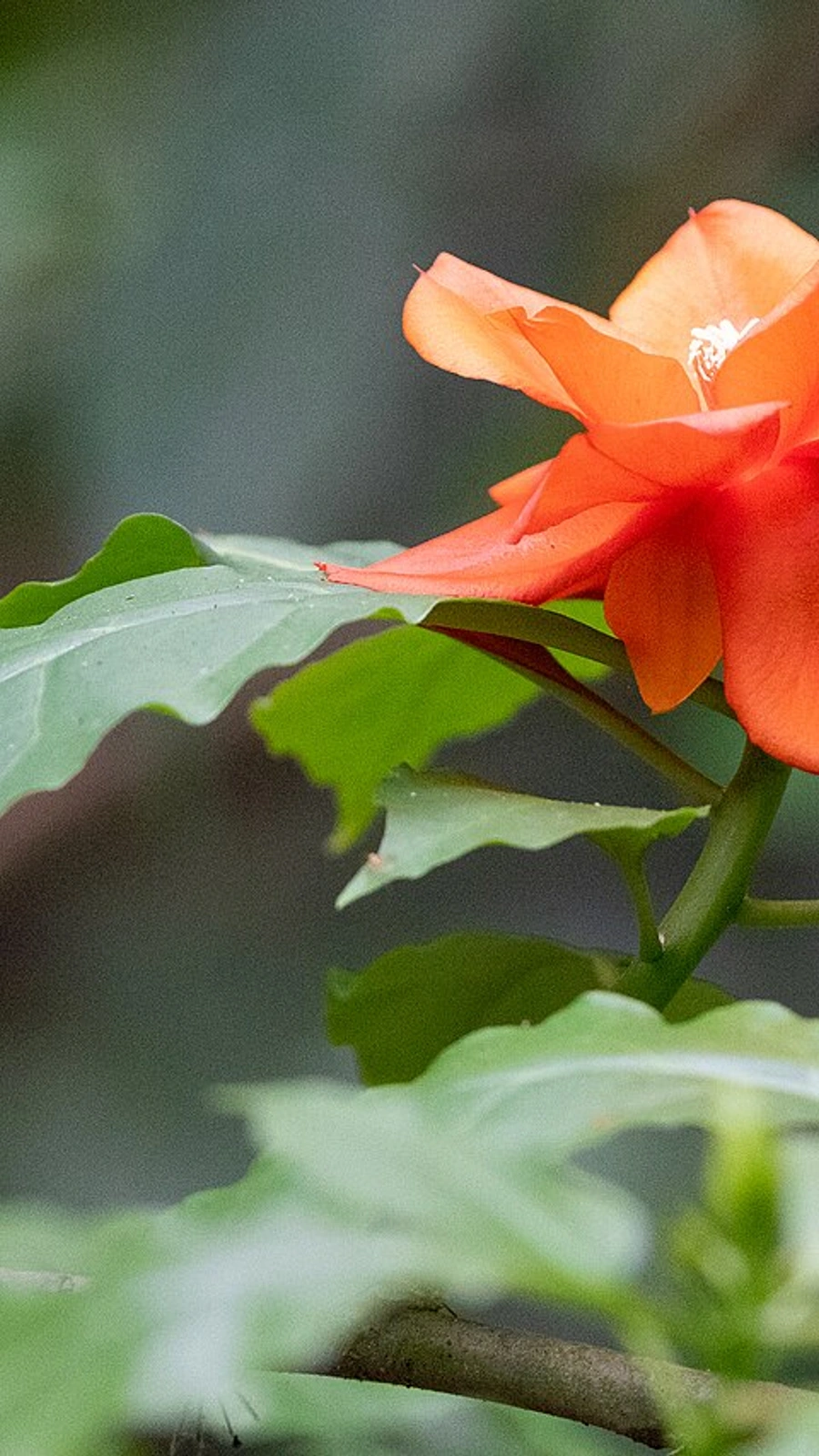
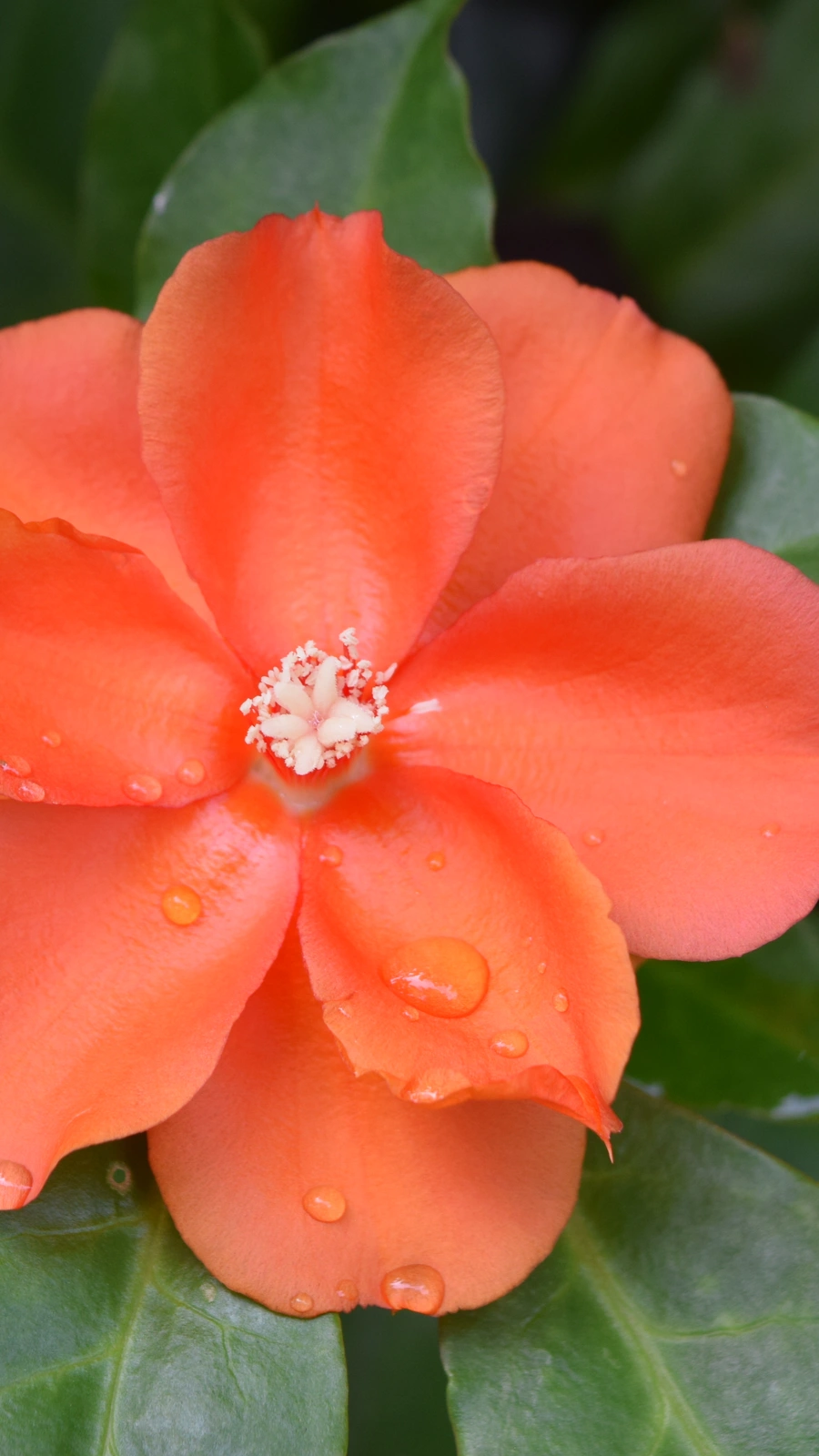
Leuenbergeria bleo is one of the most striking members of the cactus family. Unlike typical cacti, this species has leaves and is often referred to as the 'Rose Cactus'. Its stem gradually becomes woody, forming a branched structure. With its pinkish-red leaves and bright flowers, it adds an exotic touch to your home or office. A rare and eye-catching piece for collectors, it will accompany you for many years with proper care. Bring this unique beauty to your garden or indoor space with Kaktüs Doktoru's assurance.
Optimal: 24 °C
Enjoys bright, indirect light or filtered sunlight. Avoid direct, harsh afternoon sun.
Rich, well-draining potting mix containing compost or peat humus.
Water regularly when the top inch of soil feels dry. Do not let the root zone dry out completely.
Moderate care level due to its tropical water and high humidity requirements.
Frequently Asked Questions
Can Rose Cactus be grown indoors?
How often should it be watered?
What kind of soil does it prefer?
Is it toxic to pets?
How do I encourage it to bloom?
Why is it dropping its leaves?
How fast does it grow?
Does it require pruning?
What is its cold hardiness in winter?
Are the fruits edible?
Reviews
There are no reviews for this product yet.
Recently Viewed
Care reminder list
Get seasonal care reminders for this product at your preferred frequency. You can change the email address below and unsubscribe from any reminder email.
