
Light
Full Sun
Requires full, direct sun to maintain leaf canopy and produce its beautiful orange blooms.
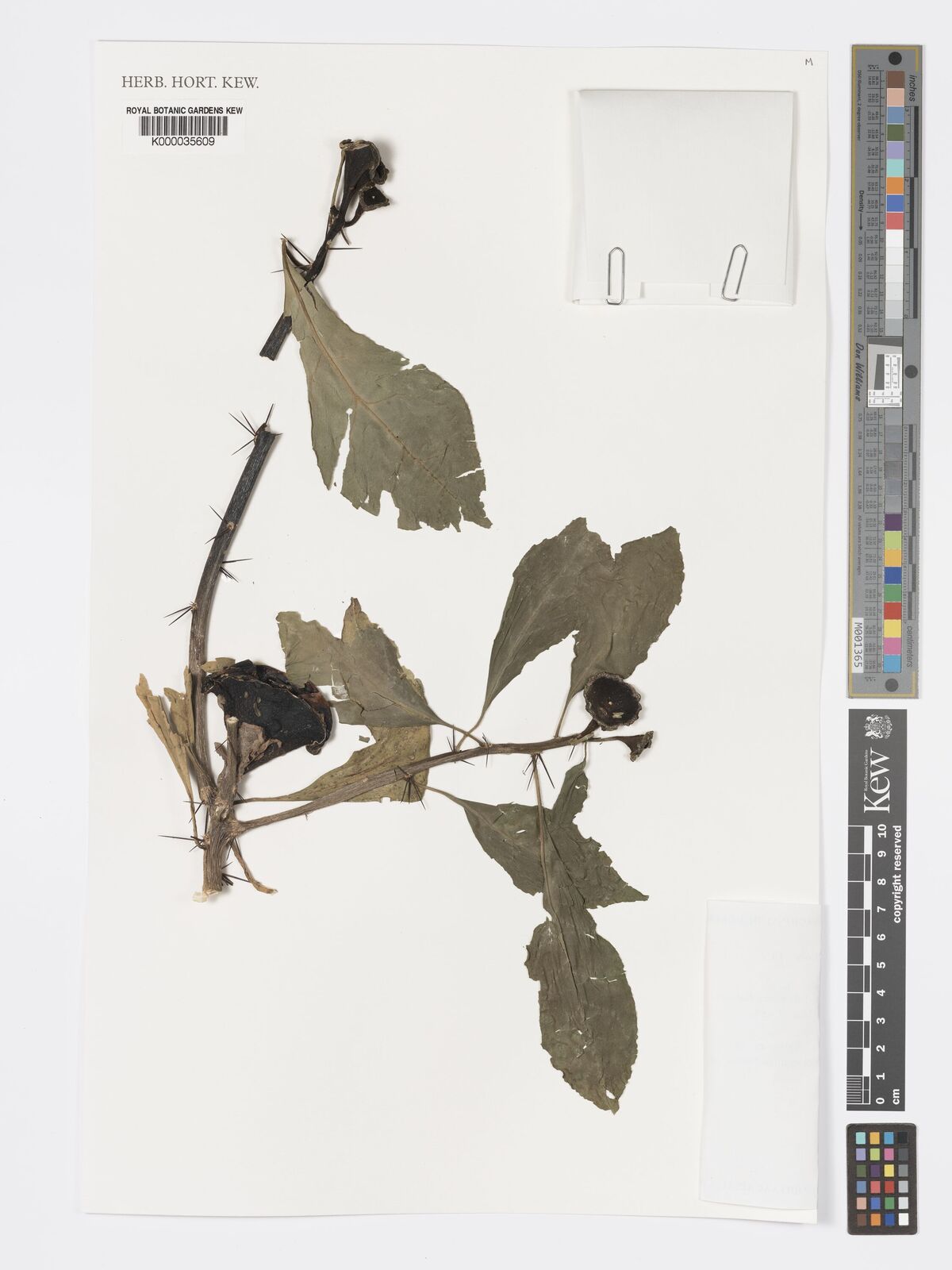 Reference image
Wax Rose Cactus
Leuenbergeria lychnidiflora (formerly known as Pereskia lychnidiflora) is an extraordinary and primitive member of the family Cactaceae. Representing an ancestral lineage, this succulent tree retains fully functional, broad green leaves and a woody trunk, showcasing the evolutionary transition of cacti 1.
Historically placed under the genus Pereskia, recent molecular studies segregated several species into the resurrected genus Leuenbergeria 2. The specific epithet lychnidiflora refers to the striking resemblance of its brilliant orange flowers to those of the genus Lychnis.
This species is native to a broad range spanning from southern Mexico down through Guatemala, El Salvador, Honduras, Nicaragua, and Costa Rica. It thrives primarily in seasonally dry tropical forests and dry scrubland biomes.
Leuenbergeria lychnidiflora grows as a woody, deciduous succulent tree or large shrub reaching up to 10 meters in height. Its stout grey trunk is armed with exceptionally long, needle-sharp spines clustered on its areoles. It bears glossy green, lanceolate leaves and produces spectacular, cup-shaped orange to yellow flowers at branch tips.
Unlike desert cacti, this tropical plant requires higher humidity and more frequent watering during the active summer growing season. Soil should be allowed to dry slightly between waterings. It demands full direct sun to fuel its rapid growth and promote abundant flowering 3.
Overwatering during winter dormancy is a primary cause of root rot. Insufficient light exposure leads to rapid leaf drop and weak, leggy stems. It is highly sensitive to freezing temperatures and cold drafts.
Requires full, direct sun to maintain leaf canopy and produce its beautiful orange blooms.
Water regularly in summer when soil is dry, but keep almost dry during cold winter months.
Use a well-draining potting mix enhanced with organic compost, sand, and pumice.
Equipped with extremely sharp, long spines; keep far out of reach of pets and children.
Moderate difficulty due to higher water demands and rapid woody growth compared to standard desert cacti.
Native to the coastal areas and seasonally dry tropical forests of Southern Mexico, Guatemala, Honduras, Nicaragua, and Costa Rica.
