
Light
Bright Indirect Light
Provide plenty of bright, indirect light or filtered sun to prevent the columnar stems from stretching and thinning.
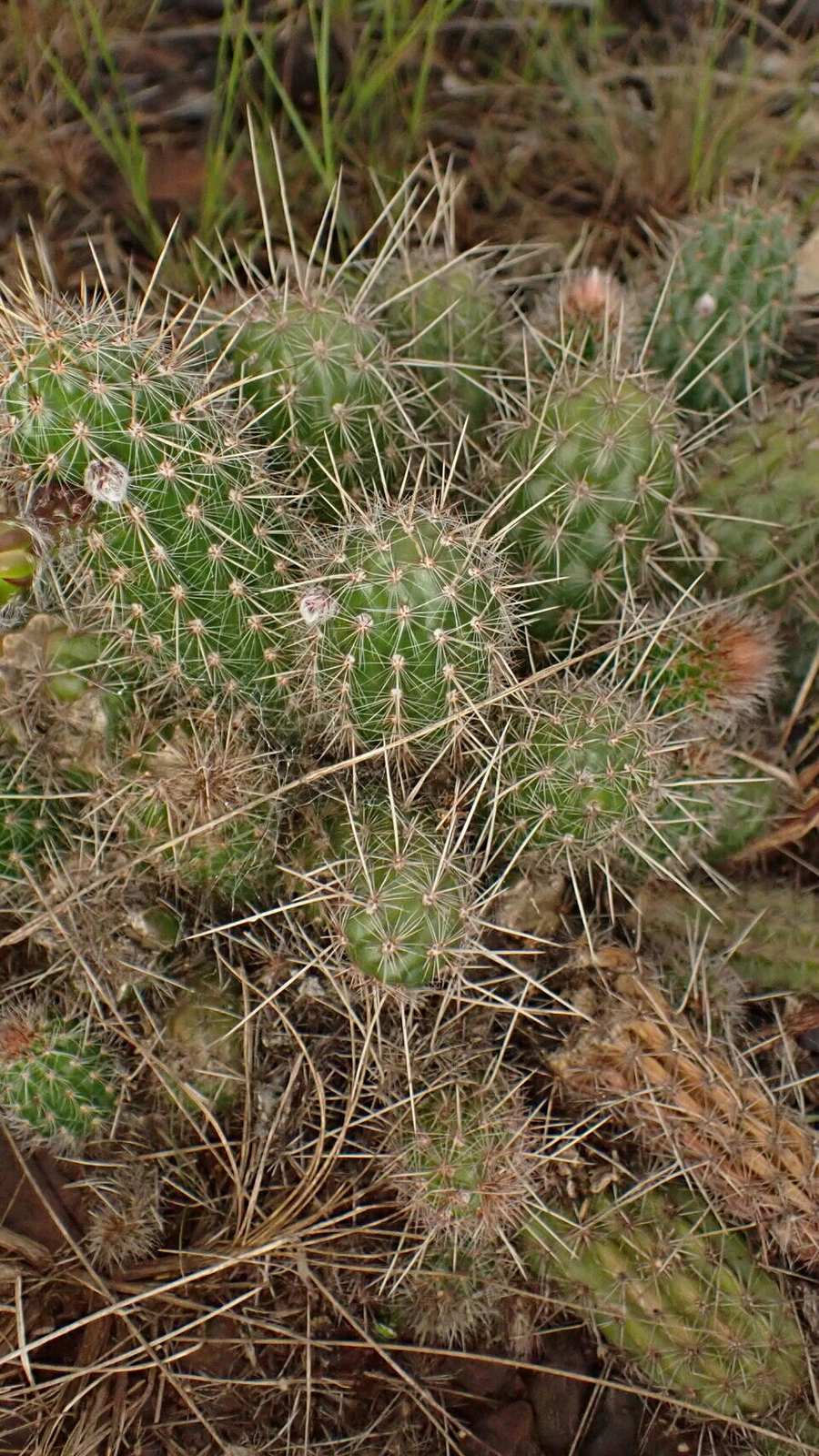 Reference image
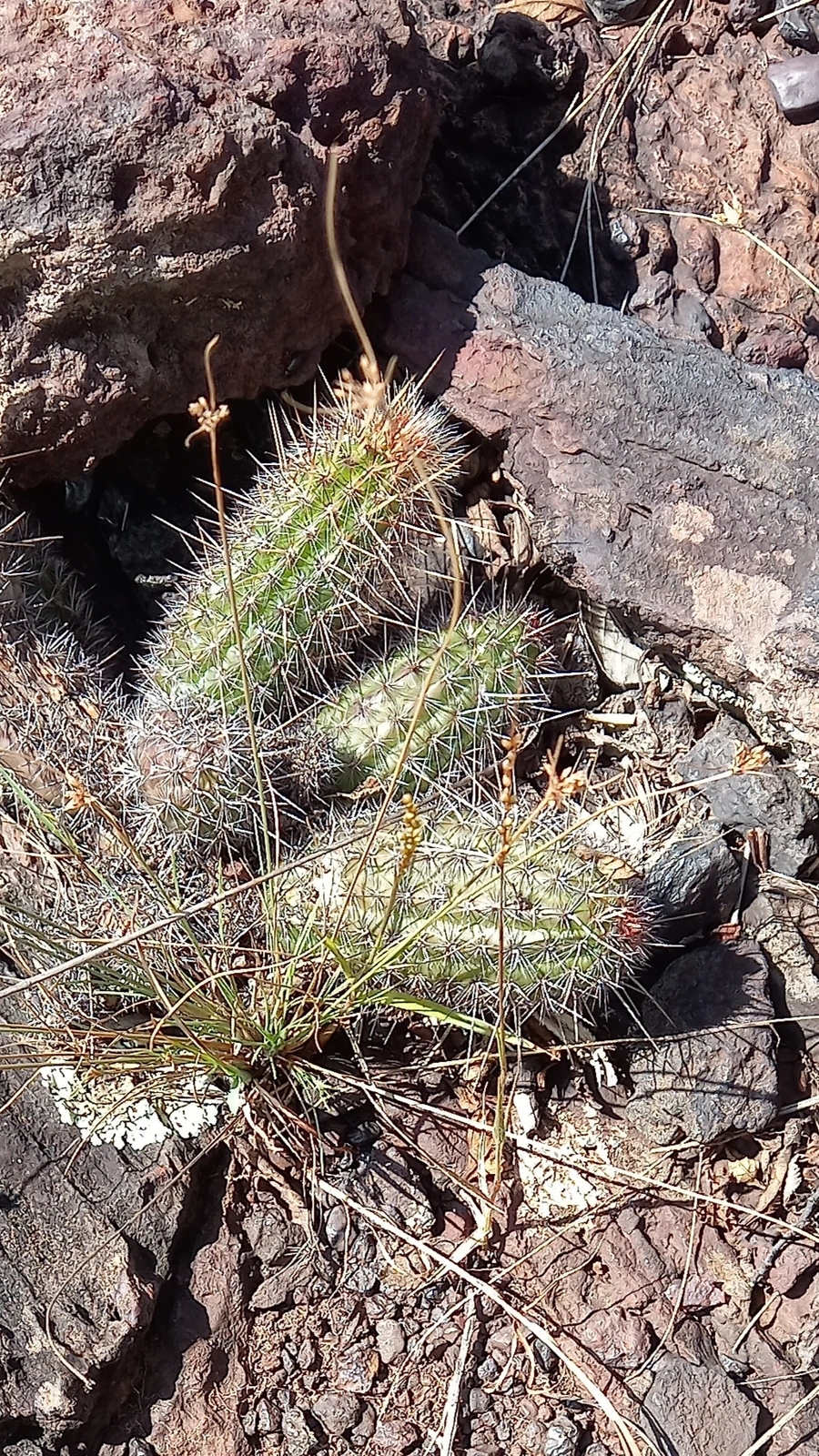 Reference image
Glaziou's Columnar Cactus
Lophocereus glaziovii (frequently treated under its accepted synonym Arthrocereus glaziovii) is an extremely rare, endangered columnar cactus endemic to the highland regions of Brazil 1. Known for its slender stems and elegant nocturnal blooms, it is a highly prized species among succulent enthusiasts.
Belonging to the family Cactaceae, this species was originally described by the German botanist Karl Schumann. Over the decades, its classification has shifted between the genera Lophocereus and Arthrocereus 2. The specific epithet "glaziovii" honors the French botanist and landscape architect Auguste François Marie Glaziou.
This species is strictly endemic to the high-altitude "campos rupestres" (rocky fields) of Minas Gerais, Brazil 1. It thrives at elevations above 1,000 meters, growing in iron-rich, shallow soils among quartz outcrops and rock crevices under intense light conditions.
It features slender, cylindrical, erect stems that branch from the base. The dark green stems are divided into 10 to 15 shallow ribs, densely set with small areoles bearing fine, brownish-to-greyish spines. During the summer, it produces large, fragrant, funnel-shaped white flowers that open at night to attract nocturnal pollinators 2.
In cultivation, it requires a very bright position with filtered sunlight and excellent drainage. Water thoroughly during the spring and summer active growth phase only when the soil has dried out completely. It is sensitive to frost and should be overwintered in a cool, dry room at temperatures above 8°C.
Overwatering and using heavy, clay-rich soil are the most common causes of root and stem rot. Lack of adequate winter rest in cool temperatures can also prevent the plant from blooming.
Provide plenty of bright, indirect light or filtered sun to prevent the columnar stems from stretching and thinning.
Water only when the substrate is thoroughly dry; keep nearly dry during the winter dormancy.
Requires an extremely porous mineral substrate mixed with pumice, quartz sand, and very little organic matter.
Features fine, sharp spines; keep out of reach of curious pets and children to avoid injury.
Moderately demanding due to its strict watering requirements and sensitivity to wet winter cold.
Endemic to the high-altitude rocky plateaus and iron-bearing fields of Minas Gerais, Brazil.
