
Light
Direct Sun
Requires full direct sun. Light deprivation leads to thin, weakened growth and zero blooms.
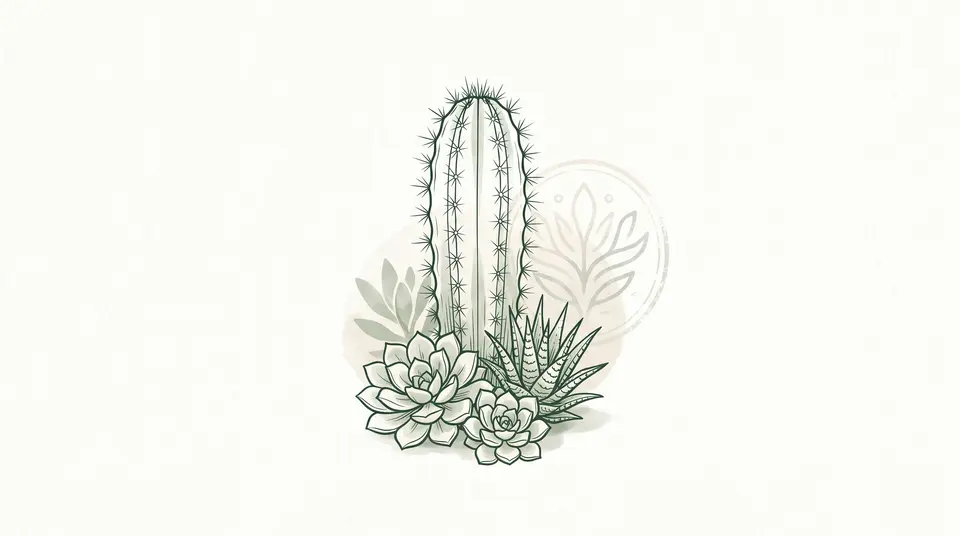 Reference image
Camaná Red Column Cactus
Loxanthocereus camanaensis is a succulent subshrub in the family Cactaceae, characterized by its decumbent to semi-erect growth habit. Originating from the hyper-arid regions of Peru, this columnar cactus is highly valued by succulent enthusiasts for its dense spine coverage and vibrant, tubular orange-red flowers that stand out in any collection.
Belonging to the tribe Trichocereeae, the species was first described under the genus Loxanthocereus 1. The specific epithet camanaensis refers to the Camaná Province in southern Peru, the region from which the type specimen was collected. While some taxonomists have grouped it under Cleistocactus, current data from Plants of the World Online (POWO) and modern phylogenetic studies sustain its placement within the distinct genus Loxanthocereus 2.
This species is native to the western slopes of South America, specifically coastal desert environments and rocky hillsides in southern Peru 1. It thrives in desert or dry shrubland biomes where rainfall is extremely scarce. The plants are adapted to survive primarily on the moisture provided by dense coastal fogs (garúa) that roll over the arid coastal terrain.
Loxanthocereus camanaensis features cylindrical, grayish-green stems that branch from the base. The stems are divided into multiple low ribs packed with woolly areoles. These areoles bear numerous sharp, yellowish to greyish spines that completely shroud the stem. The zygomorphic, tubular flowers emerge horizontally from the upper sides of the stems, boasting a fiery red or orange-red hue designed to attract hummingbirds in the wild.
In cultivation, this cactus demands full sun and excellent air circulation to thrive. It should be grown in a highly mineral-based soil mix composed mostly of pumice, coarse sand, and a small fraction of organic matter. Water thoroughly during the hot summer months only after the soil has dried out completely, and keep entirely dry during the winter dormancy period.
The most prevalent error is overwatering, particularly in heavy or peat-rich soils, which leads to rapid root rot. Lack of sufficient direct sunlight causes etiolation, wherein the stems stretch, weaken, and lose their dense spine coloration. High winter humidity paired with cold drafts can also cause unsightly fungal scarring on the epidermis.
Requires full direct sun. Light deprivation leads to thin, weakened growth and zero blooms.
Strictly soak-and-dry. Keep completely dry in winter to prevent root and stem rot.
Use a specialized fast-draining cactus soil rich in pumice, perlite, and coarse sand.
Armed with very sharp, dense spines; handle with gloves and keep away from pets.
Moderate. Easy if underwatered, but highly susceptible to rot if overwatered.
Endemic to the extremely dry coastal hills and rocky slopes of the Camaná region in southern Peru.
