
Light
Bright Indirect Light
Requires plenty of bright, indirect sunlight or partial direct sun.
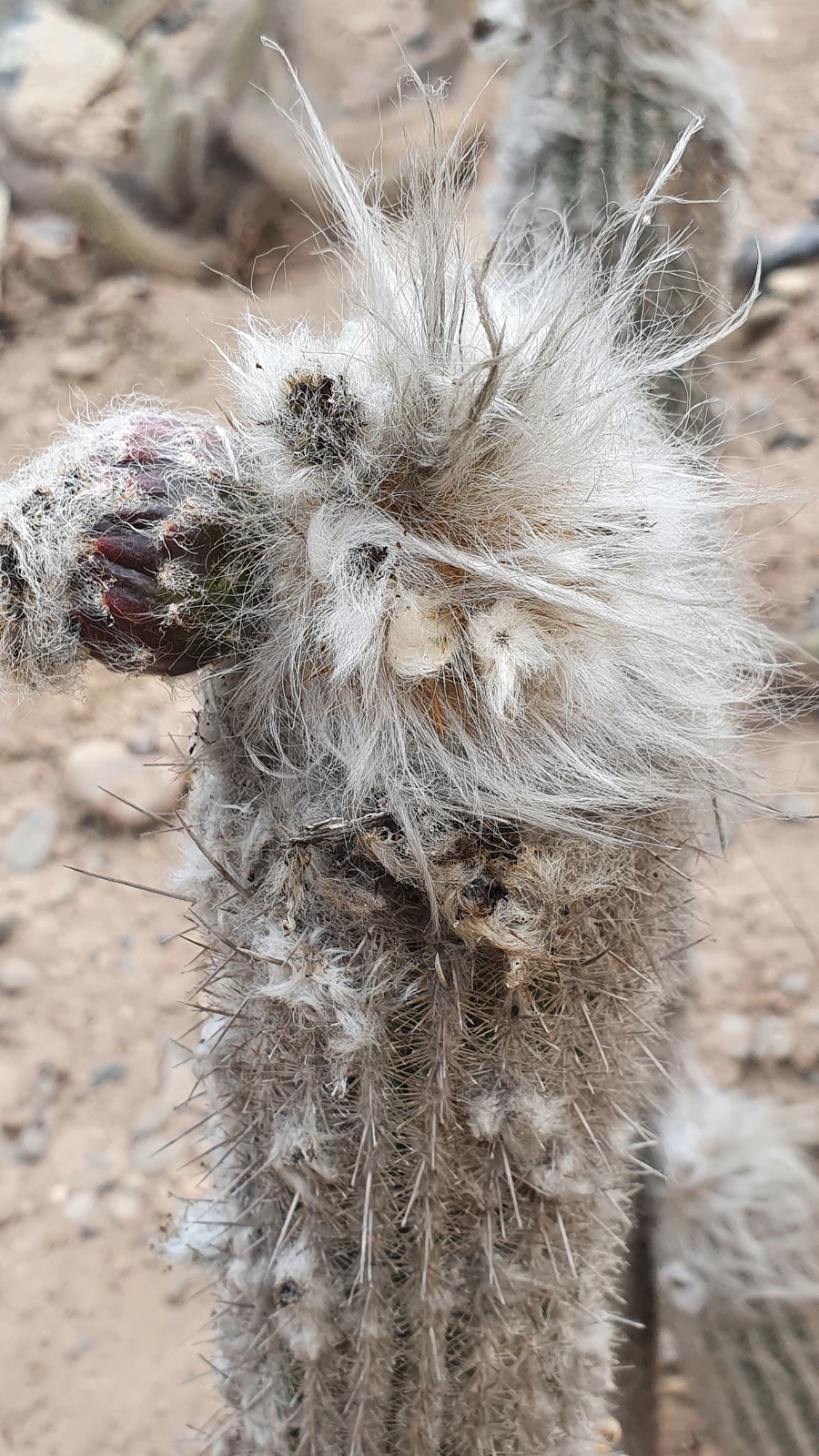 Reference image
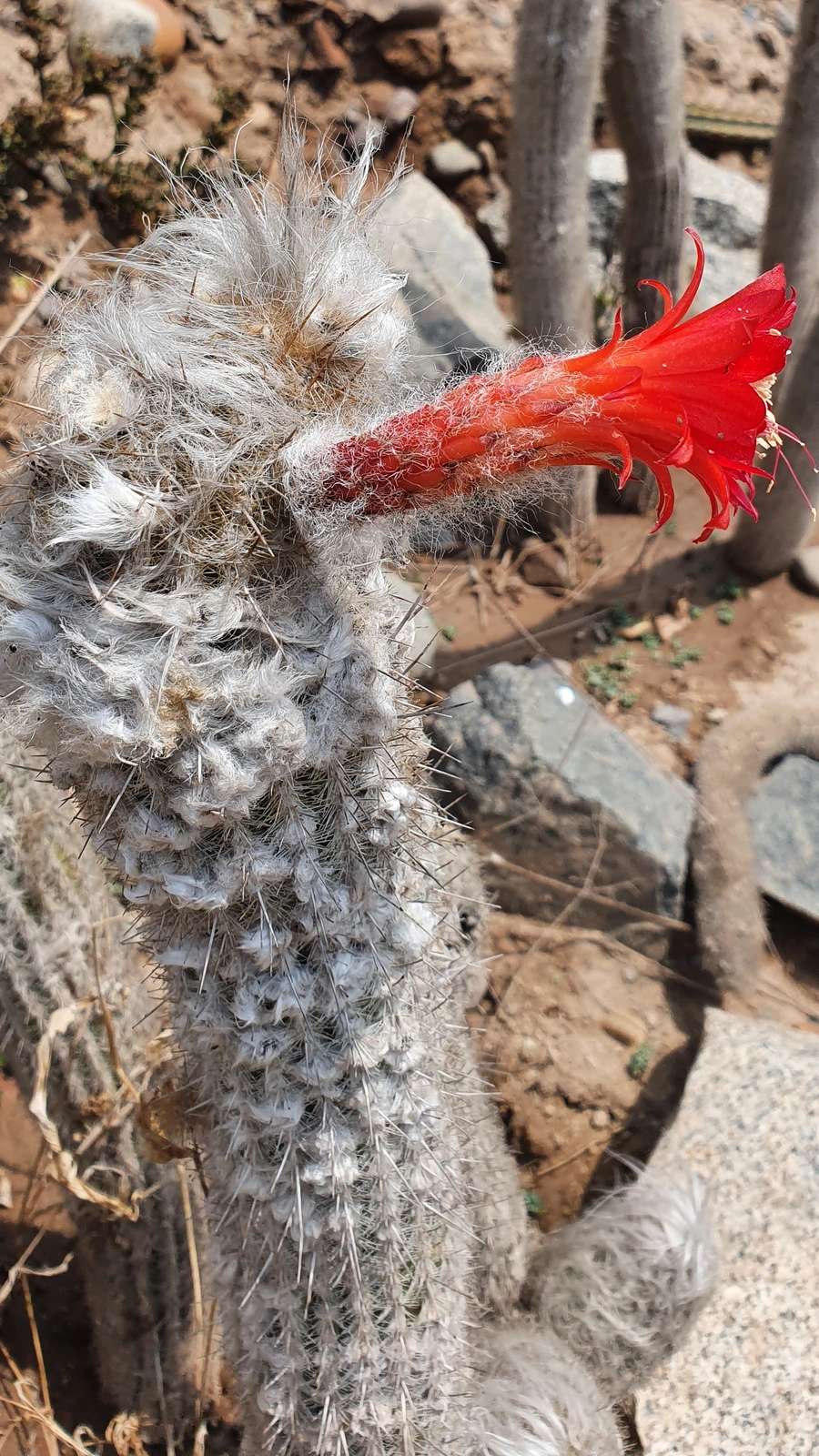 Reference image
Hoffmann's Loxanthocereus
Loxanthocereus hoffmannii is a succulent subshrub in the family Cactaceae. Known for its slender, cylindrical stems and dense spination, this species is native to the dry shrublands and deserts of Western South America. It is a prized specimen among collectors of Andean cacti due to its interesting growth habit and colorful blooms.
The species is taxonomically placed within the genus Loxanthocereus, which some authorities have historically merged with Cleistocactus 1. However, modern phylogenetic studies and flower morphology justify its retention under Loxanthocereus. The specific epithet hoffmannii honors a notable plant collector or botanist of historical significance 2.
Native to Peru, Loxanthocereus hoffmannii thrives in the hyper-arid coastal deserts and dry montane slopes. It grows in gravelly, highly mineralized soils, often clinging to steep rocky cliffs where moisture is scarce and drainage is instantaneous 1.
This plant forms subshrubby clusters of erect to decumbent cylindrical stems. The stems are ribbed with closely set areoles that produce numerous golden-brown or yellowish radial and central needles. During the blooming season, it produces tubular, zygomorphic flowers in shades of bright red or orange, which are adapted for hummingbird pollination.
In cultivation, it requires bright, direct or slightly filtered sunlight and a highly mineral-based, porous substrate. Water should be applied sparingly, adopting a soak-and-dry method during active growth. In winter, the plant must be kept dry and cool to mimic its natural dormant cycle.
The most prevalent issue is root rot induced by overwatering or compacted soil with poor drainage 2. Insufficient light exposure leads to etiolation, causing the stems to stretch, weaken, and lose their vibrant spine color.
Requires plenty of bright, indirect sunlight or partial direct sun.
Water only after the potting mix is thoroughly dry. Keep dry in winter.
Highly porous, mineral-based cactus mix with plenty of pumice and grit.
Non-toxic to pets, but has sharp spines that can cause physical injury.
Moderate; highly dependent on proper watering and excellent drainage.
Originates from the arid coastal regions and rocky slopes of Western South America, particularly in Peru, where it grows in desert or dry shrubland biomes.
