
Light
Full Sun
Requires full sun and intense direct light to maintain compact growth.
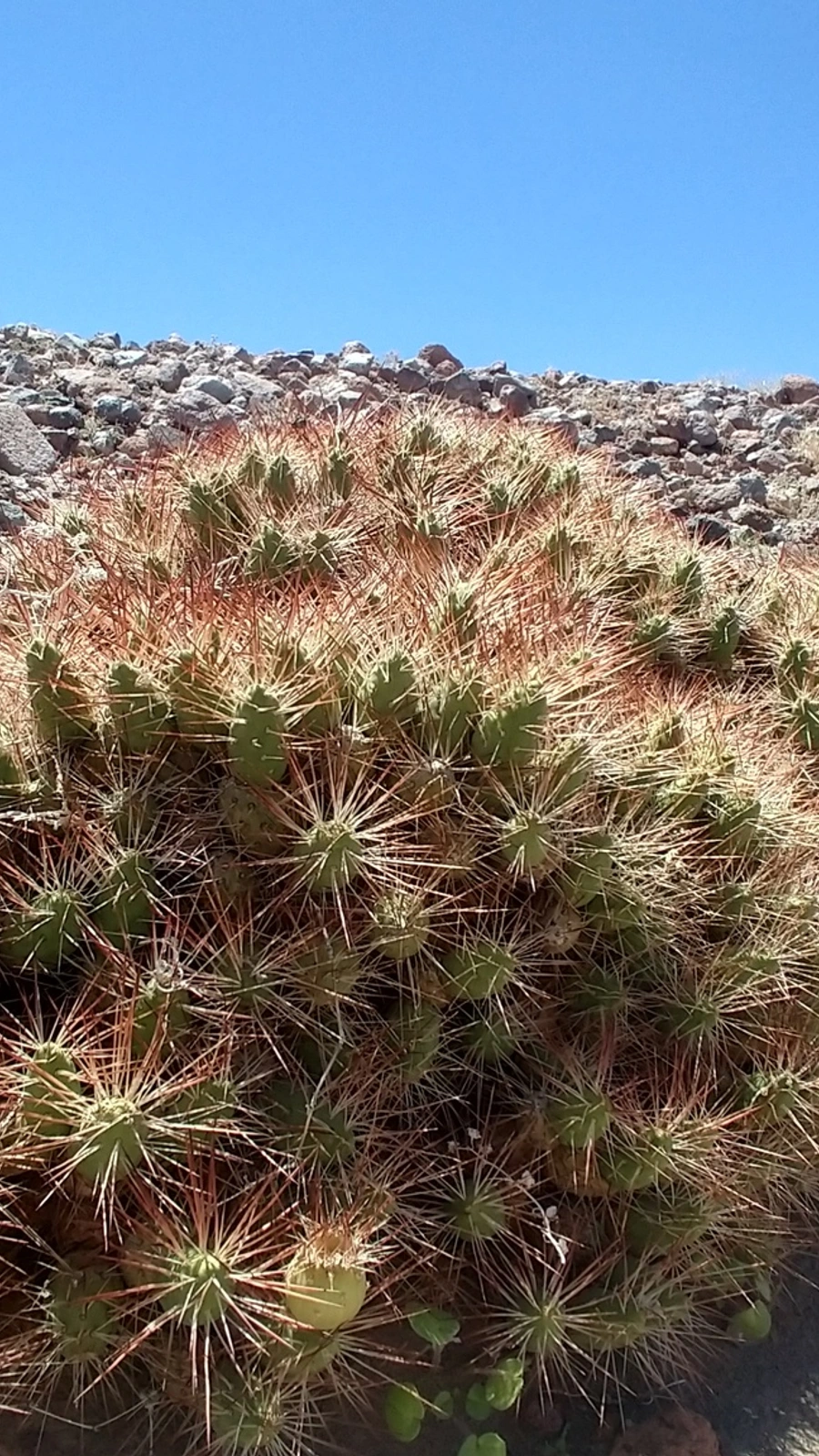 Reference image
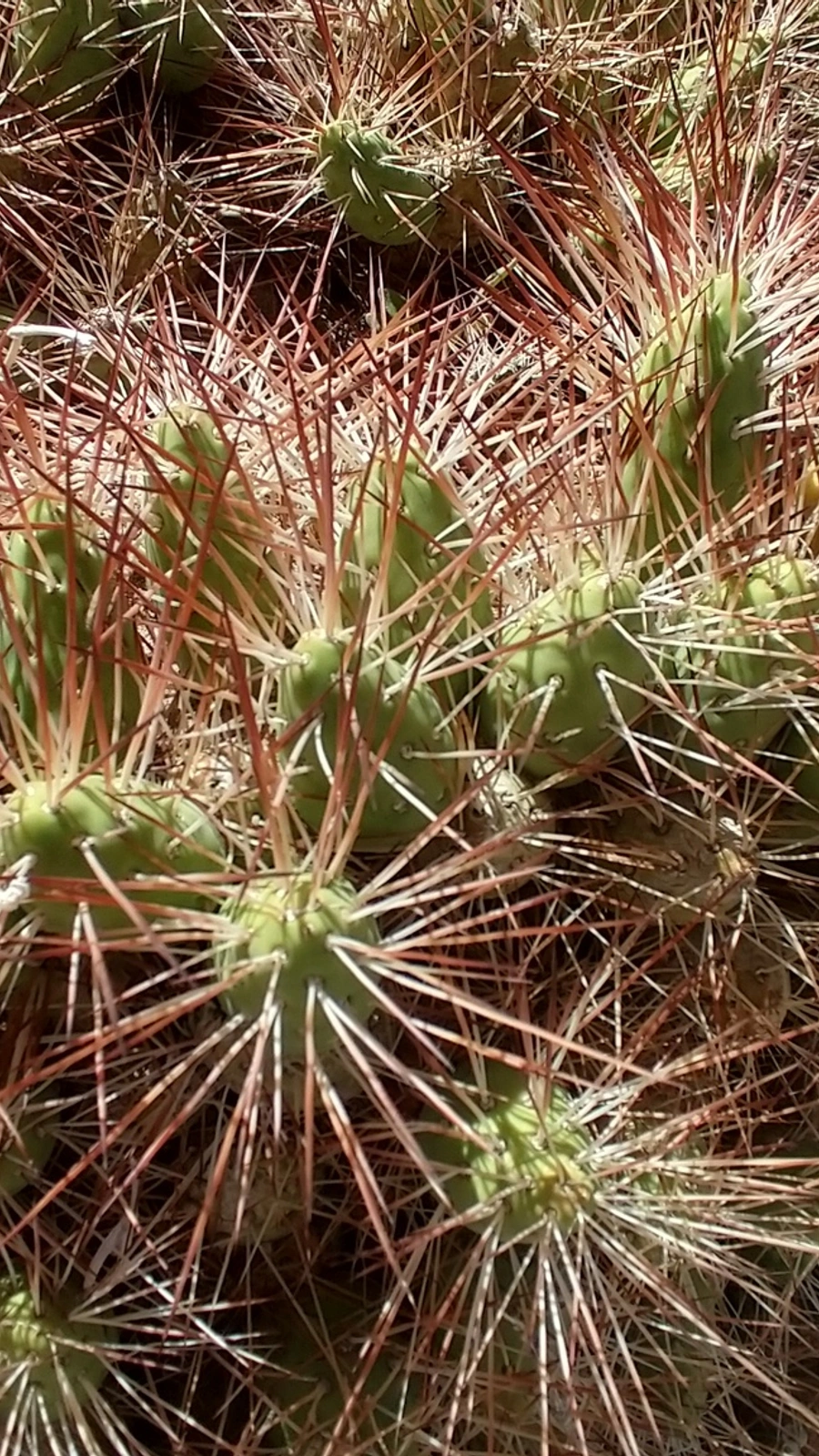 Reference image
Camacho's Mountain Cactus
Maihueniopsis camachoi is a highly resilient, high-altitude succulent subshrub belonging to the Cactaceae family, well-adapted to the harsh conditions of the Andes.
Named in honor of the Chilean naturalist Francisco Fuentes Camacho, this species was originally described under Opuntia and later combined into the genus Maihueniopsis 1. It belongs to the subfamily Opuntioideae.
This species is native to the high-elevation Andean regions of Southern South America, specifically in northern Chile (Antofagasta, Tarapacá) and adjacent Argentinian borders 2. It thrives at elevations between 3,000 and 4,000 meters in rocky, arid, and windswept montane tropical biomes.
Maihueniopsis camachoi forms dense, low-growing mounds. The segments are ovoid to globose, olive-green, and densely armed with strong, needle-like, grayish-white spines. The diurnal flowers are typically bright yellow, emerging from the tips of the uppermost segments during late spring.
In cultivation, it requires maximum sunlight exposure and an open, mineral-rich substrate. Thanks to its alpine origin, it has remarkable frost tolerance (down to -12°C) provided that the soil is kept completely dry during winter dormancy.
The most frequent failure is overwatering, which rapidly induces root and stem rot. Insufficient lighting causes the segments to stretch abnormally, weakening the plant's structural integrity.
Requires full sun and intense direct light to maintain compact growth.
Water only when the substrate is bone dry; keep entirely dry in winter.
Highly mineral substrate with coarse sand, pumice, and minimal organic matter.
Non-toxic to pets, but guarded by sharp, stiff spines that can cause injury.
Moderate. Demands strict watering discipline and cold winter rest.
Native to the high-altitude, cold desert slopes of the Chilean Andes, particularly in northern regions like Tarapacá and Antofagasta, where it grows in volcanic rocky soils.
