
Light
Full Sun
Requires full sun; direct sunlight for at least 6 to 8 hours daily is essential for tight growth.
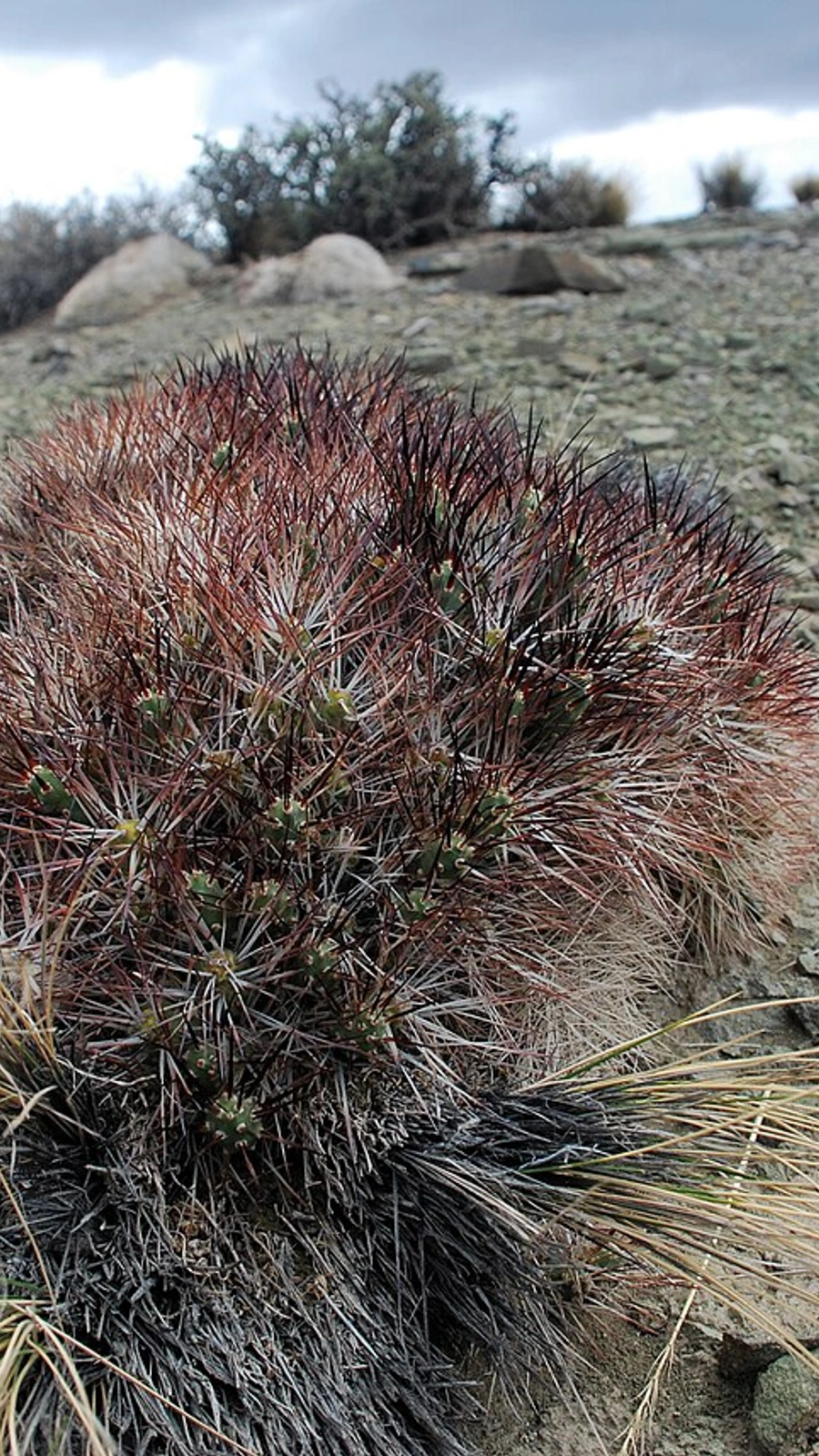
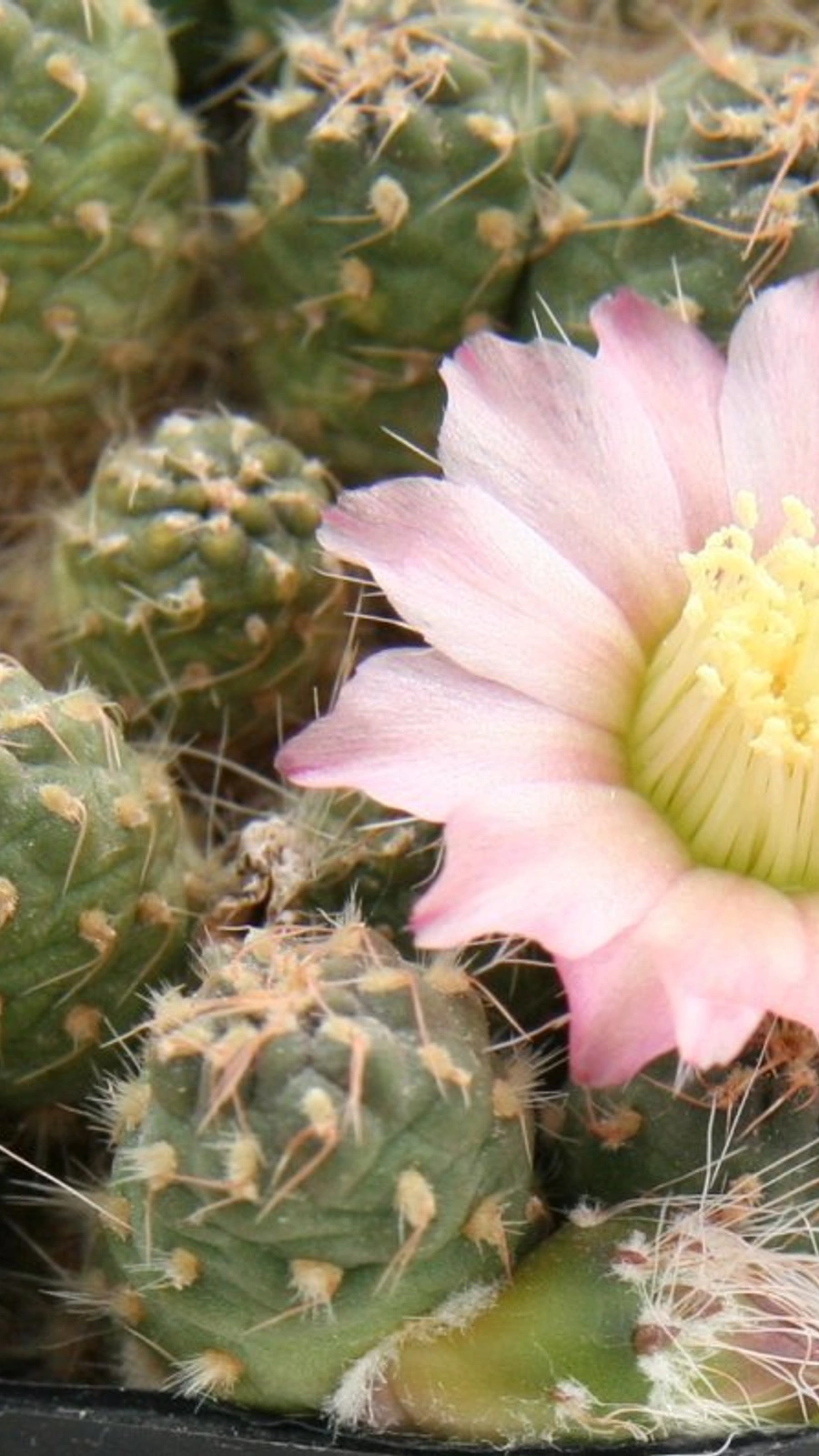
Glomerate Maihueniopsis
Maihueniopsis glomerata is a remarkable, high-altitude succulent subshrub belonging to the Cactaceae family 1. Native to the harsh Andean highlands, it has adapted to survive extreme cold, intense solar radiation, and severe drought by forming dense, low-growing mounds or cushions composed of tightly packed, globose segments.
Originally described by Haworth in the 1830s as Opuntia glomerata, the species was later reassigned to the genus Maihueniopsis based on its distinct seed morphology and growth habit 2. The specific epithet "glomerata" refers to the clustered, rounded form of its jointed stems. Common synonyms include Tephrocactus glomeratus.
This species is native to the high-elevation Andean slopes of northwestern Argentina and northern Chile 1. It thrives in the puna biome at altitudes ranging from 2,000 to over 4,000 meters above sea level, growing in rocky, gravelly soils where few other plants can survive.
The plant consists of small, egg-shaped to cylindrical segments, about 2 to 5 cm long, which stack on top of each other. The spines are distinctive: they are often flattened, papery, or flexible, providing shade to the plant body. In summer, it produces attractive yellow or cream-colored, bell-shaped flowers at the branch tips.
Maihueniopsis glomerata is a cold-hardy cactus suitable for rock gardens or alpine greenhouses 2. It requires absolute full sun and excellent air circulation. The potting medium must be predominantly mineral with almost no organic matter. Water sparingly in summer and keep dry in winter.
Overwatering, especially during winter dormancy, is the most frequent cause of loss, leading to root rot. Insufficient sunlight will cause the stems to stretch and weaken (etiolation), ruining its dense cushion form.
Requires full sun; direct sunlight for at least 6 to 8 hours daily is essential for tight growth.
Water very sparingly in summer after the soil dries out completely. Keep absolutely dry in winter.
Requires an extremely gritty, mineral-heavy substrate with pumice, grit, and very little peat.
Spines can be sharp and irritating to the skin. Keep away from curious pets and children.
Moderate. It requires strict watering discipline, especially during the cold winter dormancy.
Native to the high-altitude, wind-swept puna environments of the Andes in northwestern Argentina and northern Chile, thriving in extremely rocky, barren soils.
