
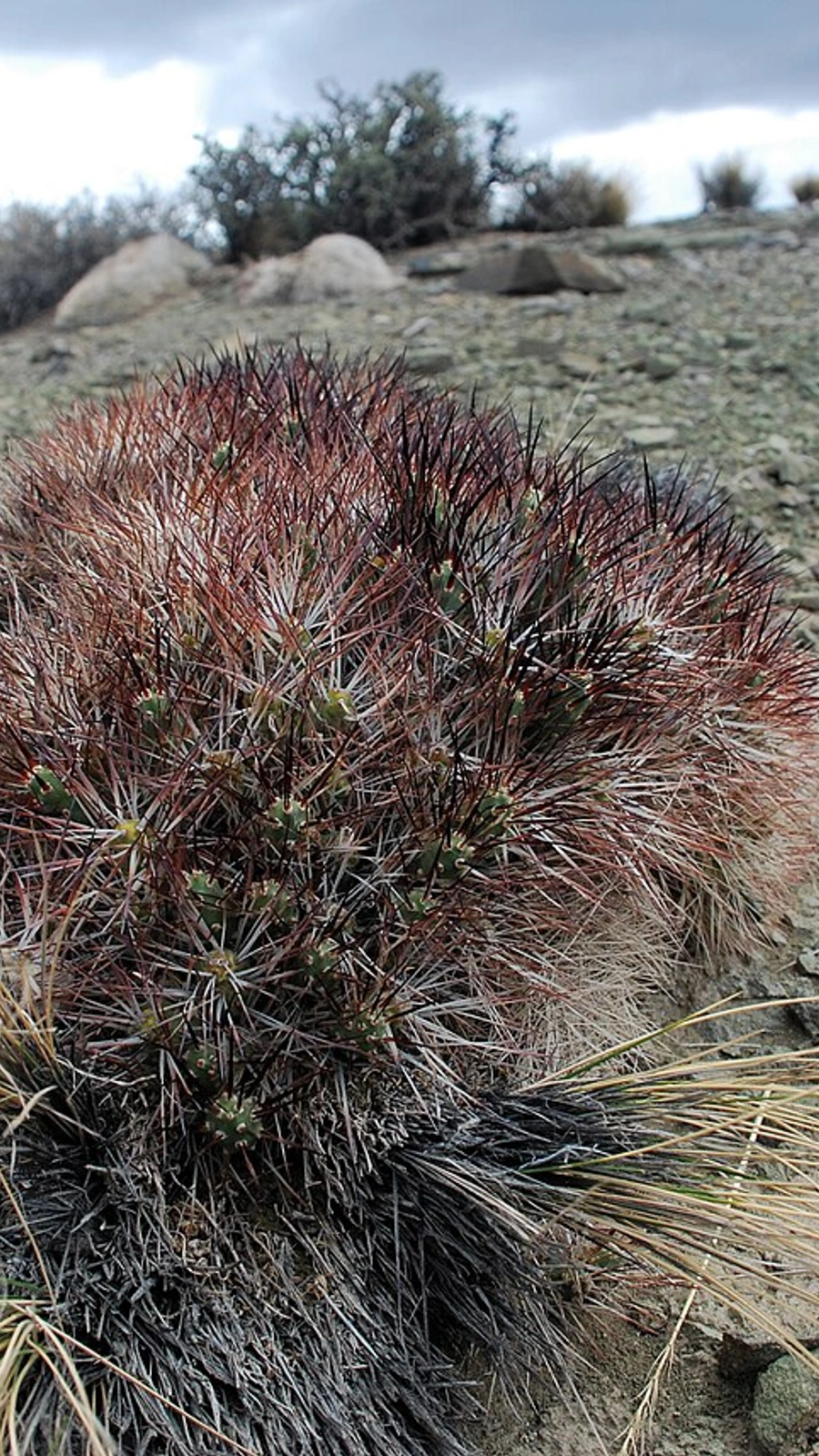
 Reference image
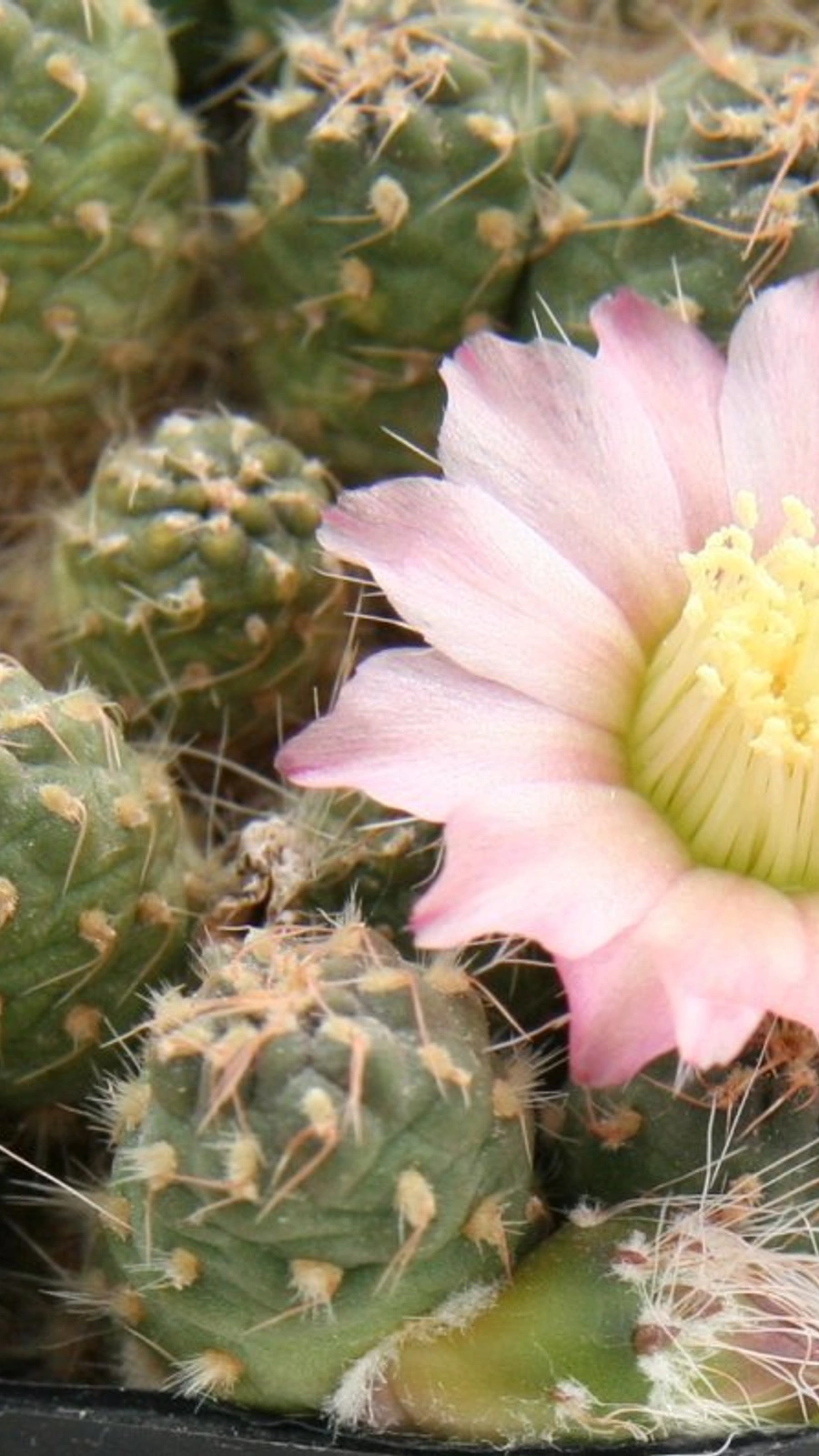 Reference image
Maihueniopsis glomerata
Glomerate Maihueniopsis
Maihueniopsis glomerata: A Natural Wonder of the Andes
Maihueniopsis glomerata, also known as the "Clustered Maihueniopsis," is a rare and resilient cactus species originating from the high-altitude plateaus of the Andes Mountains. This plant forms dense, cushion-like clusters over time, offering a spectacular visual display. Its greenish stems and prominent areoles transform each specimen into a unique work of art.
A Collector's Prized Possession
This special cactus is an attractive choice for both novice and experienced collectors. With its ability to adapt to harsh conditions, it will grace your home or garden with beauty for many years when given proper care. At Kaktüs Doktoru, we ensure to provide the healthiest specimens of Maihueniopsis glomerata, preserving its natural form and resilience.
Where Aesthetics Meet Durability
Its low-maintenance nature makes it an easy fit for modern living spaces. It creates a unique focal point on your balcony, terrace, or sunny windowsill. With careful attention to soil selection and a proper watering schedule, this clustered cactus will bring you immense joy.
Optimal: 22 °C
Requires full sun; direct sunlight for at least 6 to 8 hours daily is essential for tight growth.
Requires an extremely gritty, mineral-heavy substrate with pumice, grit, and very little peat.
Water very sparingly in summer after the soil dries out completely. Keep absolutely dry in winter.
Moderate. It requires strict watering discipline, especially during the cold winter dormancy.
Frequently Asked Questions
Can Maihueniopsis glomerata be grown indoors?
How often should it be watered in summer?
Should it be watered during winter?
Is this cactus frost-resistant?
What kind of potting soil should be used?
When does it bloom?
How fast does it grow?
Is it toxic to pets?
How do you propagate it?
Is it normal for the body to shrivel slightly?
Reviews
There are no reviews for this product yet.
Recently Viewed
Care reminder list
Get seasonal care reminders for this product at your preferred frequency. You can change the email address below and unsubscribe from any reminder email.
