
Light
Full Sun
The live `full_sun` operational enum is preserved; do not equate high-elevation light with a hot enclosed setting, and provide gradual acclimation and airflow.
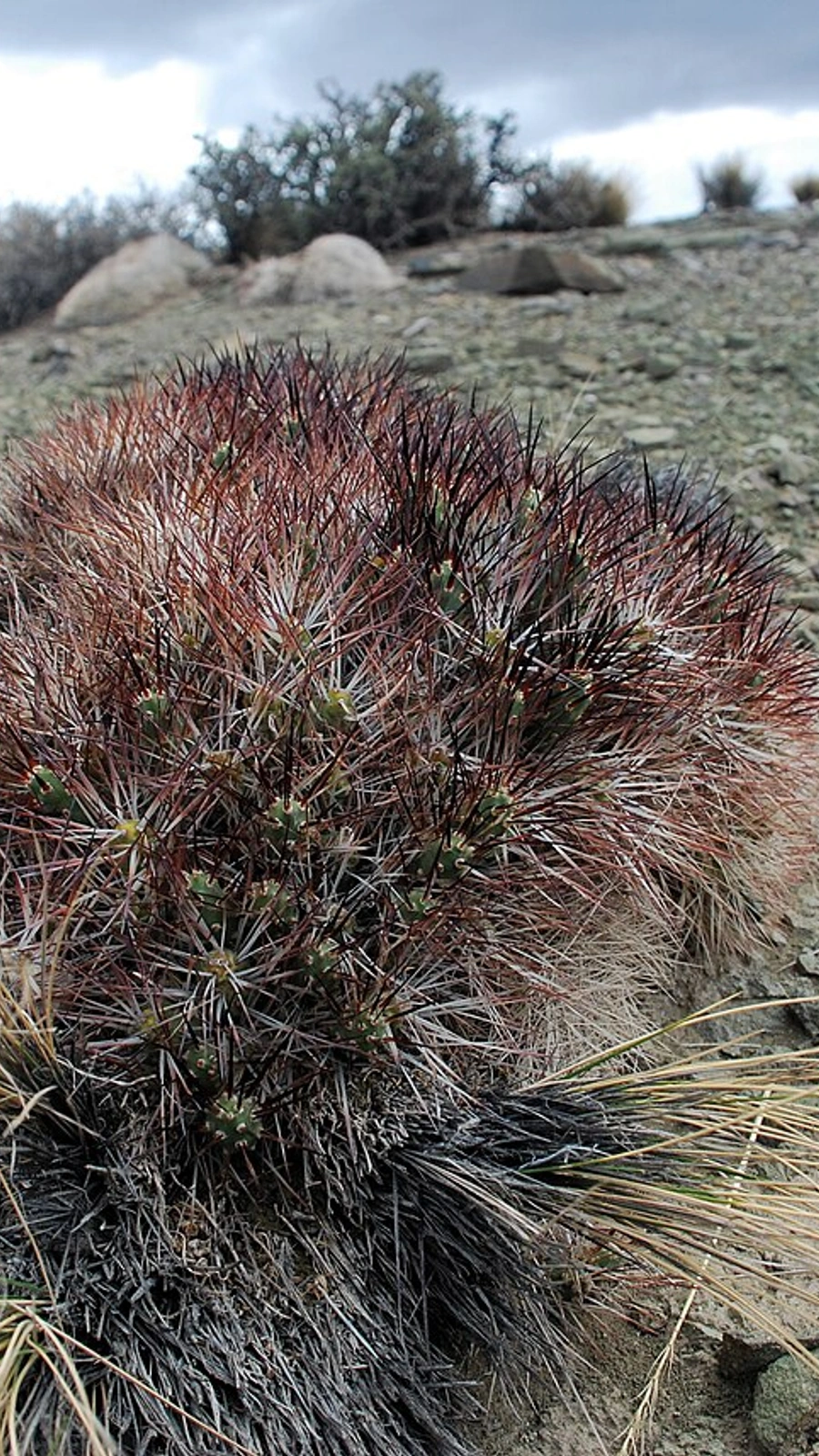
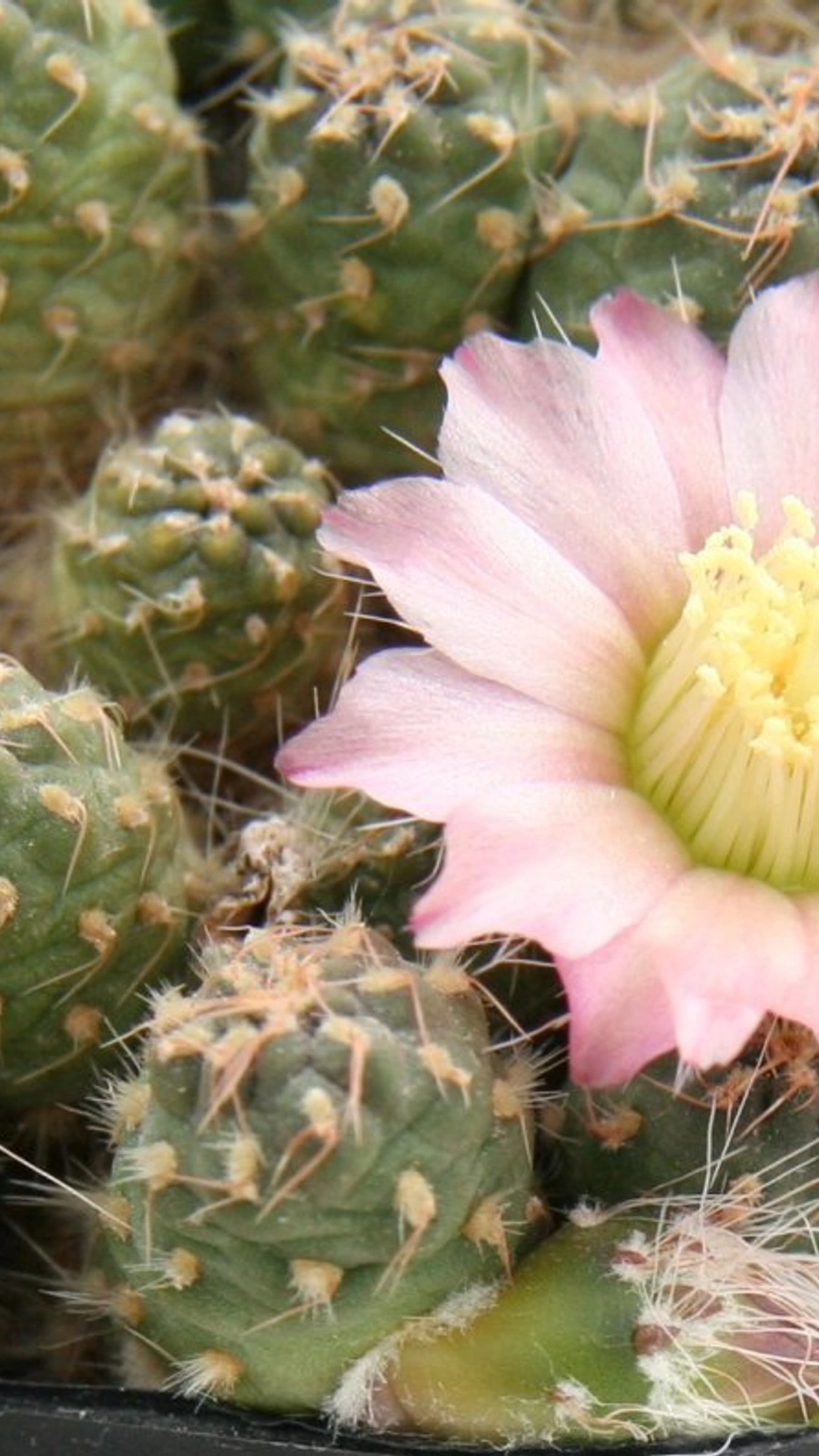
Oval Living Rock Cactus
Maihueniopsis ovata is a Maihueniopsis capable of forming segmented stems and substantial underground organs. Ovoid or flattened segments, areole and spine pattern, clustering form, flowers, seeds and documented provenance should be evaluated together. Identity should not be settled from a sales label or one photograph; segments, root structure, areoles, spines, flowers, seeds and documented provenance should be evaluated together.1
Use a porous, very fast-draining mineral mix rich in coarse sand and pumice; keep the root zone dry during the cool period. Do not use a fixed-day calendar; water in a controlled cycle only after the root zone and mineral mix have dried throughout, and extend the interval substantially in cool or low-light periods. A dry-looking surface is insufficient; inspect the lower pot where the deep or tuberous root sits. Leave no standing water after irrigation. After repotting, allow injured roots time to dry and callus.
Do not test frost or low temperature with wet roots during a cool rest. Evaluate wrinkling, soft segments, colour change and root odour together; attempts to force rapid growth in a continuously wet organic medium increase rot risk.
The live full_sun operational enum is preserved; do not equate high-elevation light with a hot enclosed setting, and provide gradual acclimation and airflow. The operational enum is not a laboratory light threshold; elevation, airflow, heat behind glass, season and previous cultivation conditions alter the outcome. Increase light over several weeks and do not test cold tolerance with a hot or wet root zone.
Kew maintains 10 synonyms: two homotypic and eight heterotypic names. Regional flora evidence describes a variable species, so one stem photograph is insufficient for canonical identity. Stress colour, grafted appearance or elongated cultivated segments do not automatically change the scientific name.
The live caution field is preserved as an operational carry-forward; use protective tools for glochid and spine contact and do not ingest the plant. The global conservation field is NE.1 The unsupported global LC value is corrected to NE. Chile national NT is documented in a separate scope and is not presented as global IUCN status. Prefer documented legal nursery propagation and do not encourage wild collection.
The live `full_sun` operational enum is preserved; do not equate high-elevation light with a hot enclosed setting, and provide gradual acclimation and airflow.
Do not use a fixed-day calendar; water in a controlled cycle only after the root zone and mineral mix have dried throughout, and extend the interval substantially in cool or low-light periods.
Use a porous, very fast-draining mineral mix rich in coarse sand and pumice; keep the root zone dry during the cool period.
The live `caution` field is preserved as an operational carry-forward; use protective tools for glochid and spine contact and do not ingest the plant.
Live operational care class: moderate.
Central Chile to Mendoza and San Juan, Argentina.[^1] [^1]: Plants of the World Online. “Maihueniopsis ovata (Pfeiff.) F.Ritter” Royal Botanic Gardens, Kew. Accessed: 2026-08-06. https://powo.science.kew.org/taxon/urn%3Alsid%3Aipni.org%3Anames%3A908118-1 [^2]: International Plant Names Index. “Maihueniopsis ovata.” Accessed: 2026-08-06. https://www.ipni.org/n/908118-1 [^3]: Ministerio del Medio Ambiente de Chile. “Maihueniopsis ovata national classification.” Accessed: 2026-08-06. https://clasificacionespecies.mma.gob.cl/ [^4]: Flora Argentina. “Maihueniopsis ovata regional flora record.” Accessed: 2026-08-06. https://buscador.floraargentina.edu.ar/species/details/24993
