
Light
Bright Indirect Light
Requires bright filtered sunlight. High light intensity is crucial to preserve its characteristic snow-white spine density.
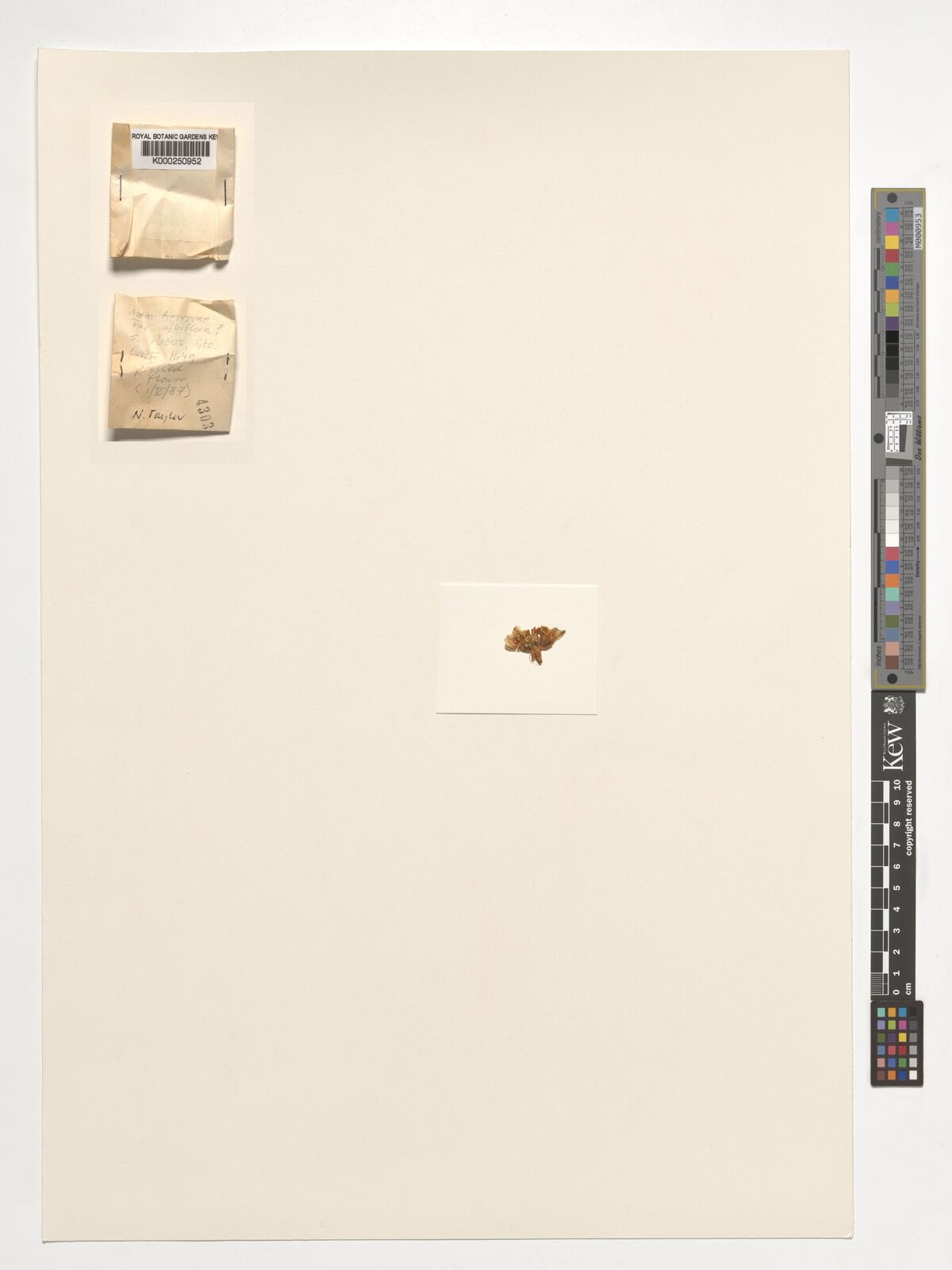 Reference image
White-flowered Mammillaria
Mammillaria albiflora is a highly coveted, miniature, and extremely aesthetic succulent subshrub belonging to the family Cactaceae. Known for its snow-white appearance and delicate blossoms, it is a prized jewel among cactus collectors worldwide.
Originally described by Erich Werdermann in 1937 as a variety of Mammillaria herrerae, it was later elevated to species rank by Curt Backeberg 1. The specific epithet 'albiflora' derives from the Latin words 'albus' (white) and 'flos' (flower), directly referencing its beautiful white petals.
This species is endemic to Mexico, specifically native to the state of Guanajuato 2. It grows in semi-arid desert environments and dry shrublands, typically wedged in limestone rock crevices. Due to illegal poaching and habitat destruction, it is listed as Critically Endangered (CR) on the IUCN Red List 1.
The stems are globose to short-cylindrical, usually solitary or occasionally clustering from the base. The body is completely obscured by dense, fine, interlacing white radial spines that give the plant a fuzzy, pure white appearance. In spring, it produces exquisite pure white flowers, sometimes with faint pink midstripes, measuring about 2-3 cm in diameter near the crown.
It requires an open, mineral-rich substrate with exceptional drainage. Due to its high susceptibility to root rot, watering must be executed with extreme caution. During winter, it must be kept completely dry and in a cool location 2. Bright, filtered sunlight is necessary to maintain its dense spine structure.
The most prevalent issue is overwatering and keeping the plant in a high-humidity environment. Organic-heavy potting soils retain moisture too long, leading to rapid root rot. Insufficient light causes etiolation, stretching the stem and thinning the white spine cover.
Requires bright filtered sunlight. High light intensity is crucial to preserve its characteristic snow-white spine density.
Extremely susceptible to rot. Water thoroughly only when soil is bone dry, and suspend watering entirely in winter.
Prefers a highly mineral substrate containing pumice, grit, and limestone gravel with minimal organic matter.
Non-toxic to pets, but the dense spines can prick or irritate skin; handle with tweezers or protective gloves.
Moderate care level; requires disciplined watering habits and a suitable gritty potting medium to thrive.
Endemic to high-altitude limestone slopes and rocky hillsides in the dry desert and shrubland habitats of Guanajuato, Mexico.
