
Light
Bright Indirect Light
Requires bright, indirect sunlight or partially shaded direct morning sun.
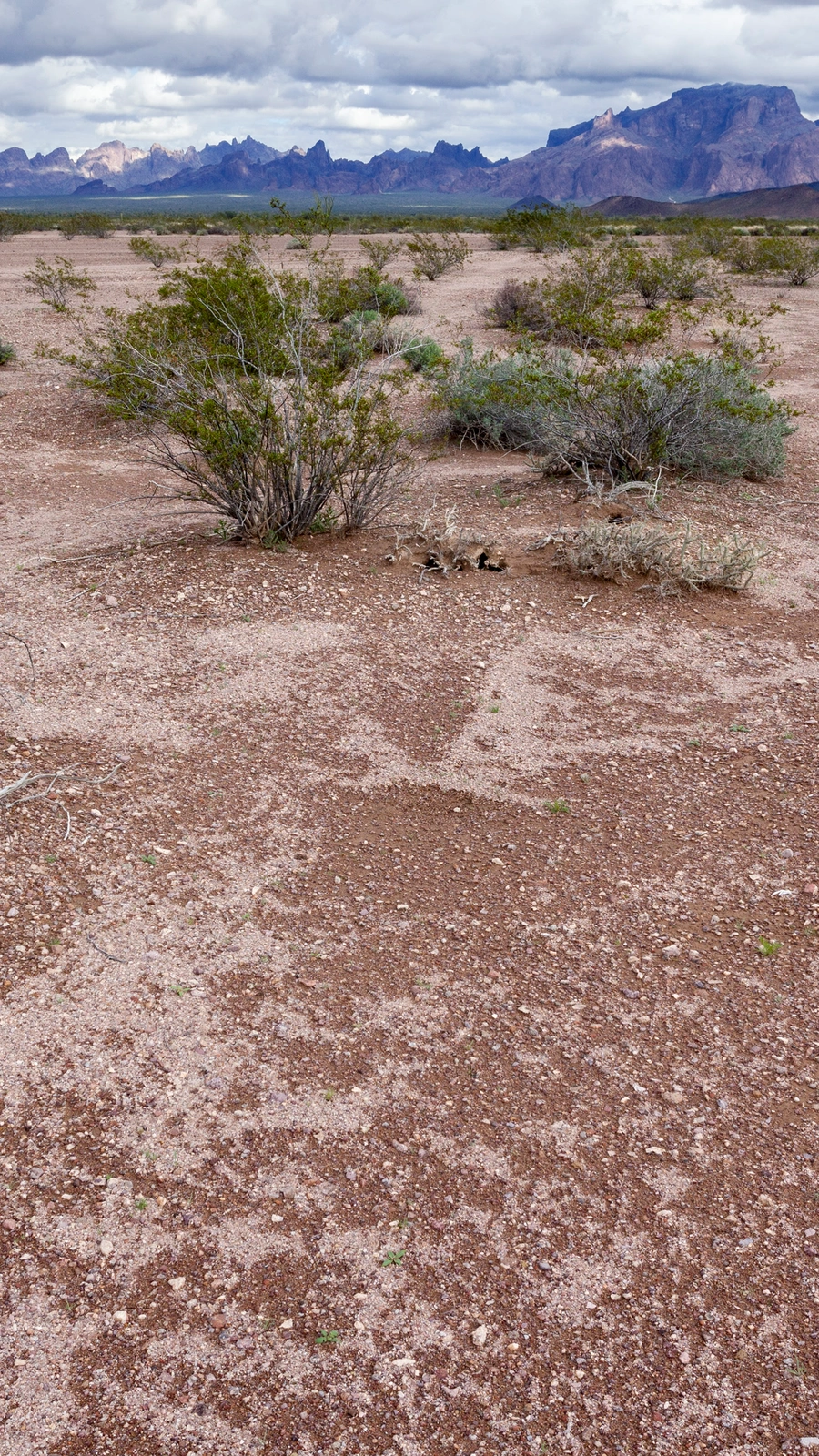 Reference image
Ambiguous Mammillaria
Mammillaria ambigua is a unique and intriguing cactus species belonging to the highly diverse genus Mammillaria within the Cactaceae family 1. Highly valued by collectors for its distinct symmetry and compact growth habit, it is a perfect candidate for indoor cultivation and rock gardens.
The specific epithet "ambigua" derives from Latin, meaning "ambiguous" or "doubtful." This name historical reflects the difficulty botanists faced when classifying its morphology, which frequently overlaps with related species. While some databases treat it as a synonym, it remains a recognized horticultural subject 2.
Like most members of the Mammillaria genus, its natural range is restricted to the arid and semi-arid regions of Mexico 1. It typically thrives on limestone slopes, rocky crevices, and under the light shade of desert shrubs.
The plant body is globose to shortly cylindrical, covered in distinct tubercles. The areoles bear fine, white to pale brownish spines that form a protective lattice over the green epidermis. During late spring, small, pinkish or cream-colored flowers bloom in a ring near the crown.
Mammillaria ambigua requires plenty of bright, filtered sunlight to retain its compact shape and produce flowers. It is highly drought-tolerant and sensitive to overwatering. The substrate must dry out completely between waterings, particularly during winter.
The most frequent issue is root rot caused by dense, non-porous soil mixes or watering during cold winter dormancy, which leads to sudden collapse of the stem.
Requires bright, indirect sunlight or partially shaded direct morning sun.
Allow the potting medium to dry out completely before watering again; dry in winter.
Very sandy, porous cactus soil with added pumice or perlite for aeration.
Spines can cause mild physical irritation; non-toxic to cats, dogs, and humans.
Very low maintenance as long as overwatering is strictly avoided.
Native to the dry highlands and rocky slopes of Mexico, where it grows in limestone crevices and dry scrublands.
