
Light
Filtered Sun
Requires bright, filtered sunlight. Protect from harsh midday summer sun to prevent scorching, but avoid deep shade.
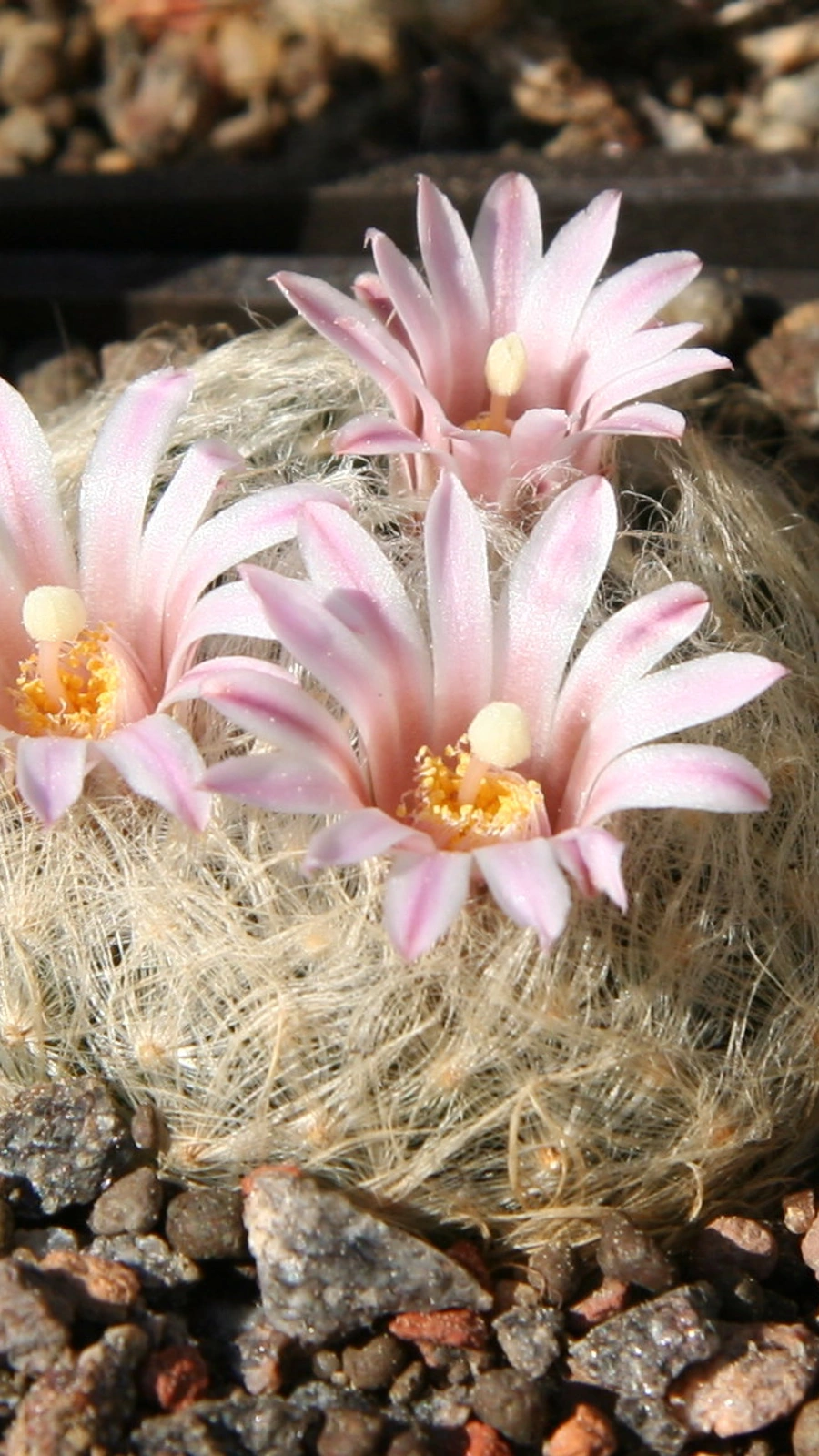 Reference image
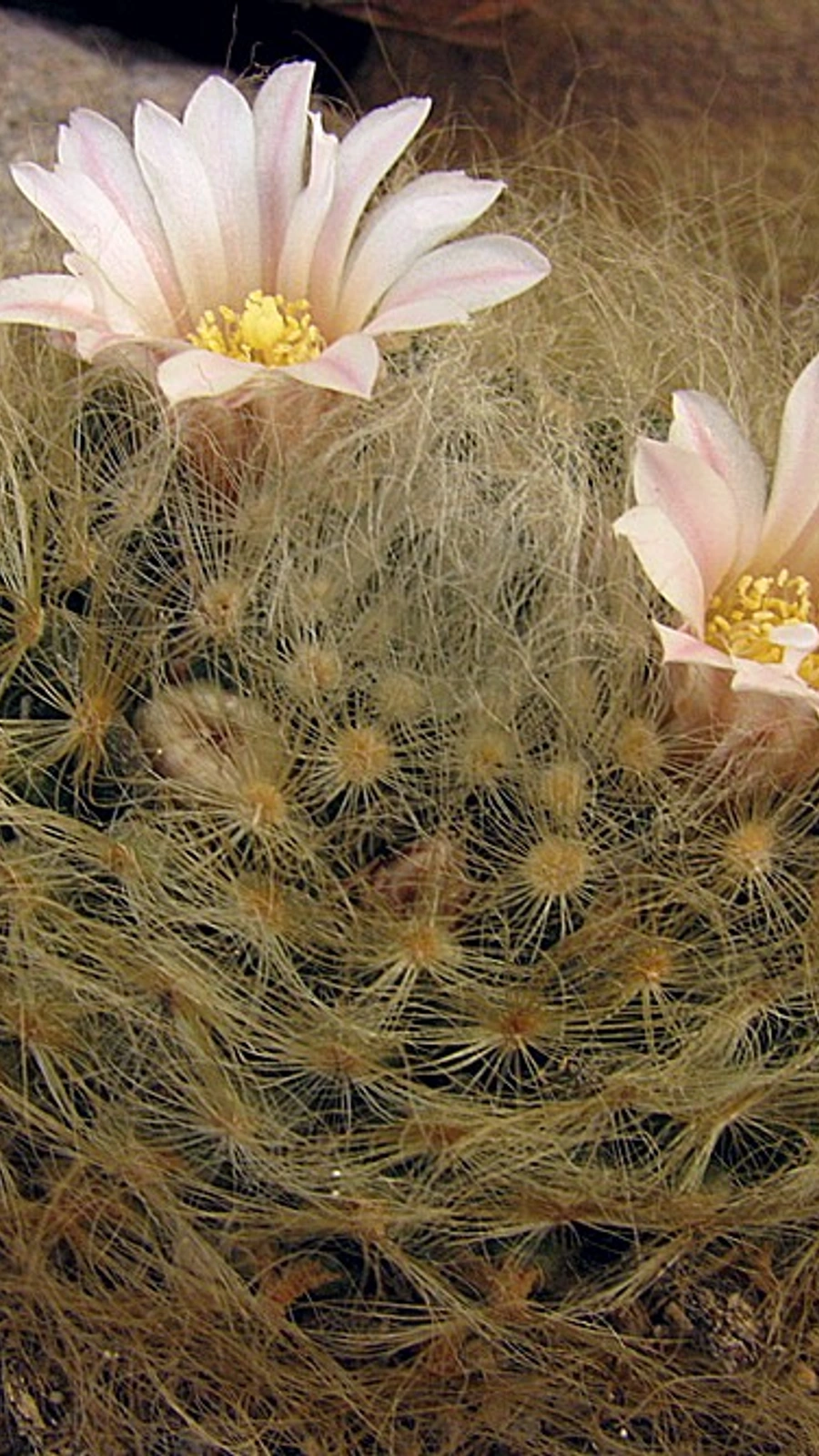 Reference image
Golden-Wooled Pincushion Cactus
Mammillaria aureilanata is an exquisite, globose cactus highly sought after by collectors for its dense covering of soft, golden-yellow, wool-like spines. Due to habitat loss and illegal wild collection, it is currently listed as Endangered on the IUCN Red List 1.
Described scientifically by Backeberg, the specific epithet aureilanata is derived from the Latin aureus (golden) and lanatus (woolly) 2. It belongs to the diverse genus Mammillaria, characterized by its tubercle-bearing stems.
This species is micro-endemic to the Mexican state of San Luis Potosí. It thrives in high-altitude semi-desert shrublands, typically growing on limestone soils and rocky crevices where drainage is extremely rapid 1.
The plant body is globose to somewhat flattened, usually remaining solitary. It is completely enveloped by fine, golden-yellow or creamy-white radial spines that lack sharp tips, giving it a fluffy appearance. In early spring, it produces small, funnel-shaped flowers in shades of cream, pale pink, or white.
Mammillaria aureilanata possesses a thick, tuberous taproot that functions as water storage but makes it highly susceptible to root rot. Successful cultivation requires a strictly mineral-based soil substrate and cautious, cycle-based watering.
Overwatering during the winter dormancy is the leading cause of plant loss. Combined with low temperatures, wet soil triggers immediate rot. Insufficient light will also cause the cactus to stretch and lose its beautiful golden wool density.
Requires bright, filtered sunlight. Protect from harsh midday summer sun to prevent scorching, but avoid deep shade.
Extremely sensitive to overwatering due to its tuberous taproot. Allow soil to dry completely, and suspend watering in winter.
Use a mineral-rich substrate containing high proportions of pumice, perlite, and coarse sand with very little organic matter.
The spines are soft, hair-like, and non-pungent, making this cactus completely safe to handle and pet-friendly.
Moderate. Requires strict discipline with watering and excellent soil ventilation, but highly rewarding.
Endemic to the high semi-desert plateaus of San Luis Potosí in Mexico, where it grows tucked among limestone rocks and scrub vegetation.
