
Light
Bright Indirect Light
Requires bright indirect light; shield from harsh, direct midday summer sun.
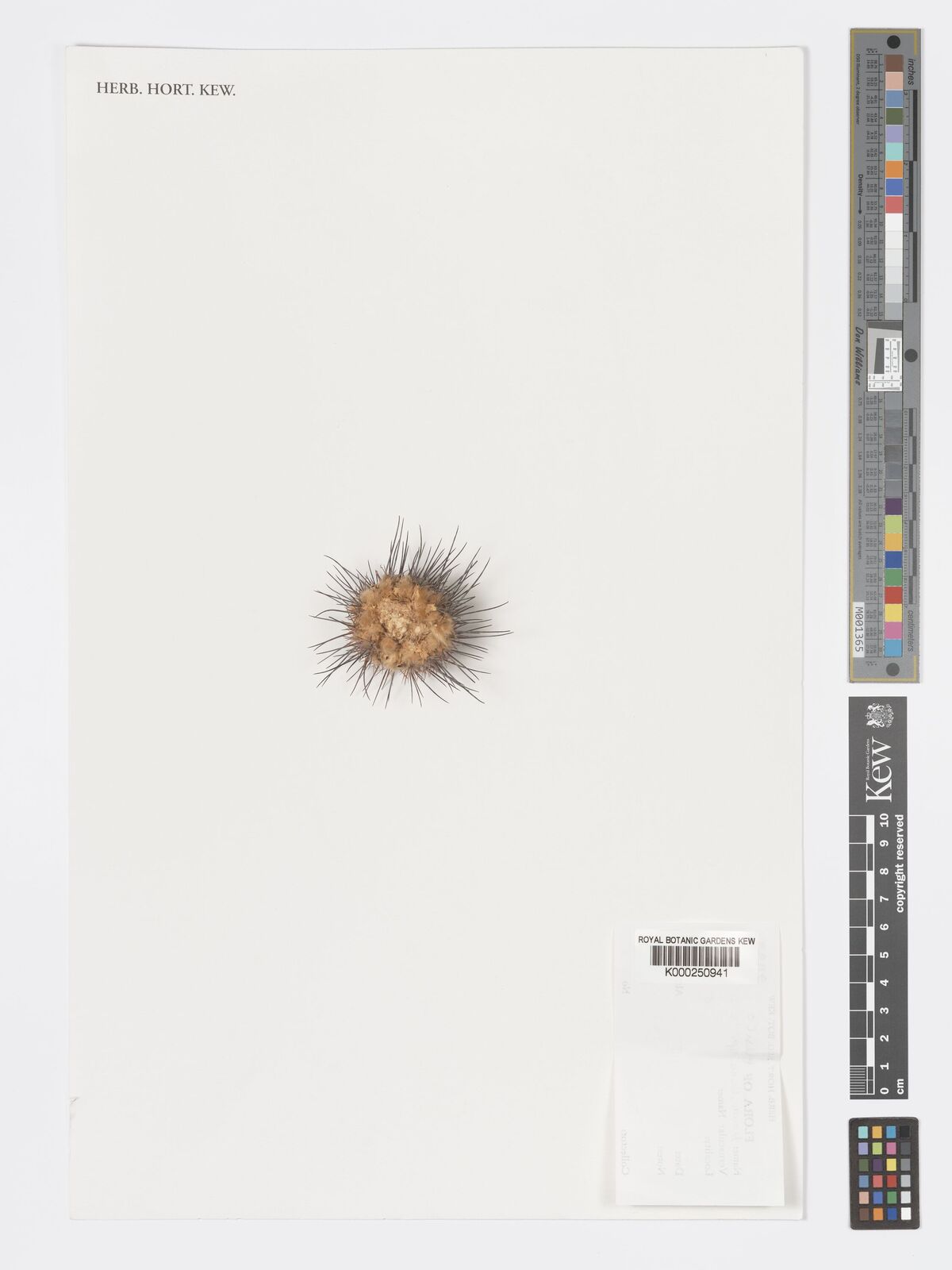 Reference image
Beisel's Nipple Cactus
Mammillaria beiselii is a perennial, slow-growing succulent cactus species belonging to the Cactaceae family. Highly appreciated by succulent collectors, it is celebrated for its distinctive ivory-yellowish spine formation and neat geometric tubercle arrangement 1.
The species was named in honor of the German botanist and nurseryman Klaus Dieter-Beisel. While historically associated or synonymized under the broader complex of Mammillaria karwinskiana, modern taxonomists often treat it as a distinct species or a highly characterized regional form 2.
Mammillaria beiselii is native to Western Mexico, specifically recorded in states such as Colima, Michoacán, Jalisco, Guerrero, and Oaxaca. It thrives in seasonally dry tropical biomes, growing as a lithophyte on steep, rocky volcanic cliffs and gravelly slopes 1.
The stems are globose to short cylindrical, clustering over time from the base. The tubercles are prominent, producing a rich woolly substance in their axils. Areoles carry rigid, ivory-colored to pale yellow central spines with darker tips. Tiny, bell-shaped flowers emerge in a ring near the stem apex, displaying shades of cream, pale yellow, or light pink 2.
In cultivation, it requires a well-aerated mineral substrate and bright, filtered sunlight to retain its compact shape and dense spination. Watering must follow the "soak and dry" method. During the winter dormancy, watering should be suspended almost entirely 3.
The most frequent issue is root rot triggered by overwatering or soil with poor drainage. Placing the cactus in dark, unventilated corners or exposing it to freezing temperatures while wet will quickly cause irreversible tissue rot.
Requires bright indirect light; shield from harsh, direct midday summer sun.
Allow the potting medium to dry out 100% between waterings. Reduce to a minimum in winter.
Use a porous, mineral-rich cactus soil mixed with plenty of pumice and coarse grit.
Non-toxic to pets, but the sharp spines pose a physical hazard; handle with thick gloves.
Very easy to maintain if you avoid waterlogged soil and excess humidity.
Found natively across the rocky cliffs and dry deciduous forests of Colima, Jalisco, Guerrero, Michoacán, and Oaxaca in Mexico, adapted to dry conditions.
