
Light
Full Sun
Prefer southern exposures receiving at least 6 hours of direct sunlight daily.
 Reference image
 Reference image
Boca Cactus
Mammillaria bocensis is a notable cactus species belonging to the Cactaceae family, native to the arid coastal regions of western Mexico 1. Growing as a succulent subshrub, it is highly valued by collectors for its drought resilience and decorative spine arrangement.
First described by Craig, this species belongs to the genus Mammillaria. The specific epithet 'bocensis' refers to 'Las Bocas' in Sonora, Mexico, where the plant was originally collected 2.
This species is naturally distributed along the northwestern coast of Mexico, including Sonora, Sinaloa, Nayarit, and Jalisco 1. It thrives in dry coastal shrublands, sandy dunes, and rocky slopes at low elevations.
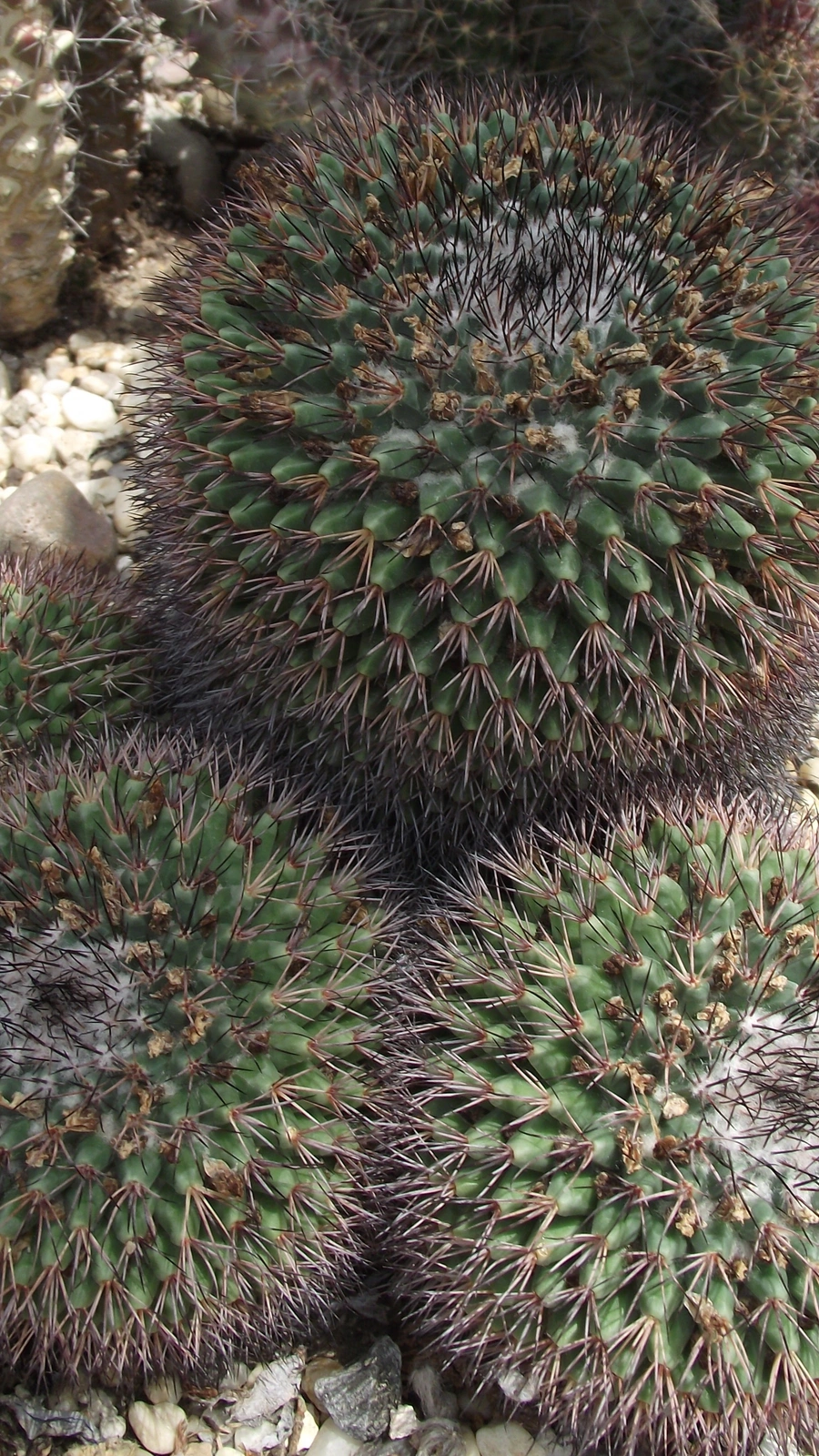
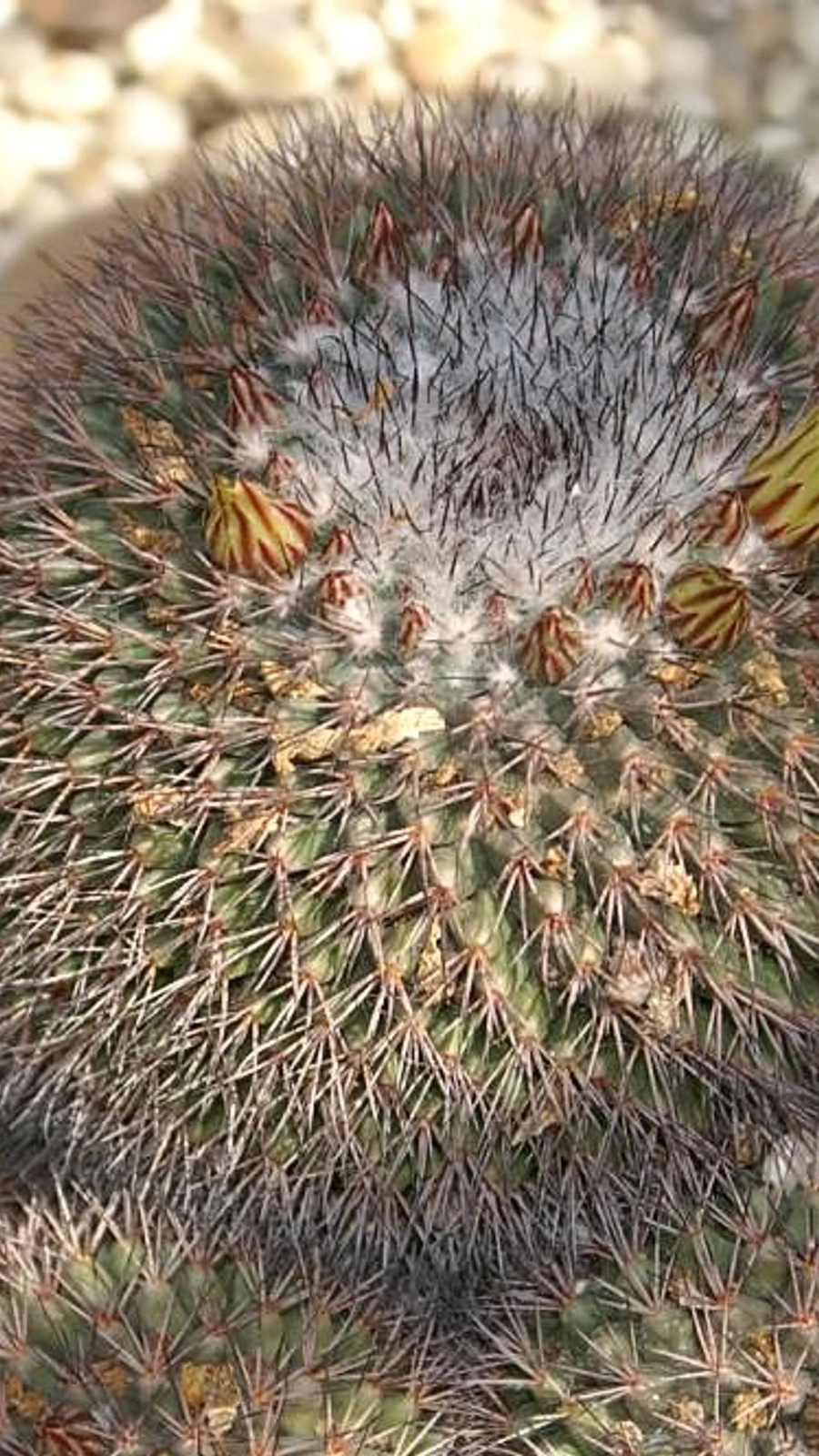
The stem is usually solitary, globose to short-cylindrical, and has a dull blue-green or dark green coloration. Radial and central spines are reddish-brown with darker tips. It produces funnelform, pale pink or cream-colored flowers with greenish midstripes 2.
It requires full sun and well-ventilated conditions. The soil must be highly porous, consisting of coarse sand, pumice, and minimal organic matter. Water moderately during active growth and keep completely dry in winter.
Overwatering and poorly drained pots are the most common issues, rapidly causing root rot. Inadequate winter light coupled with high indoor humidity can lead to etiolation (stretching).
Prefer southern exposures receiving at least 6 hours of direct sunlight daily.
Do not water until the soil is bone dry; keep completely dry in winter.
Cactus soil with high proportions of sand, perlite, and pumice.
Should be handled with gloves due to sharp spines; non-toxic.
Very easy to care for when watering balance is maintained.
Naturally occurs along the northwestern coast of Mexico, inhabiting the arid shrublands, rocky slopes, and sandy coastal plains of Sonora, Sinaloa, Nayarit, Jalisco, and Baja California.
