
Light
Direct Sun
Requires at least 6 hours of direct sunlight daily to maintain compact growth and bright spines.
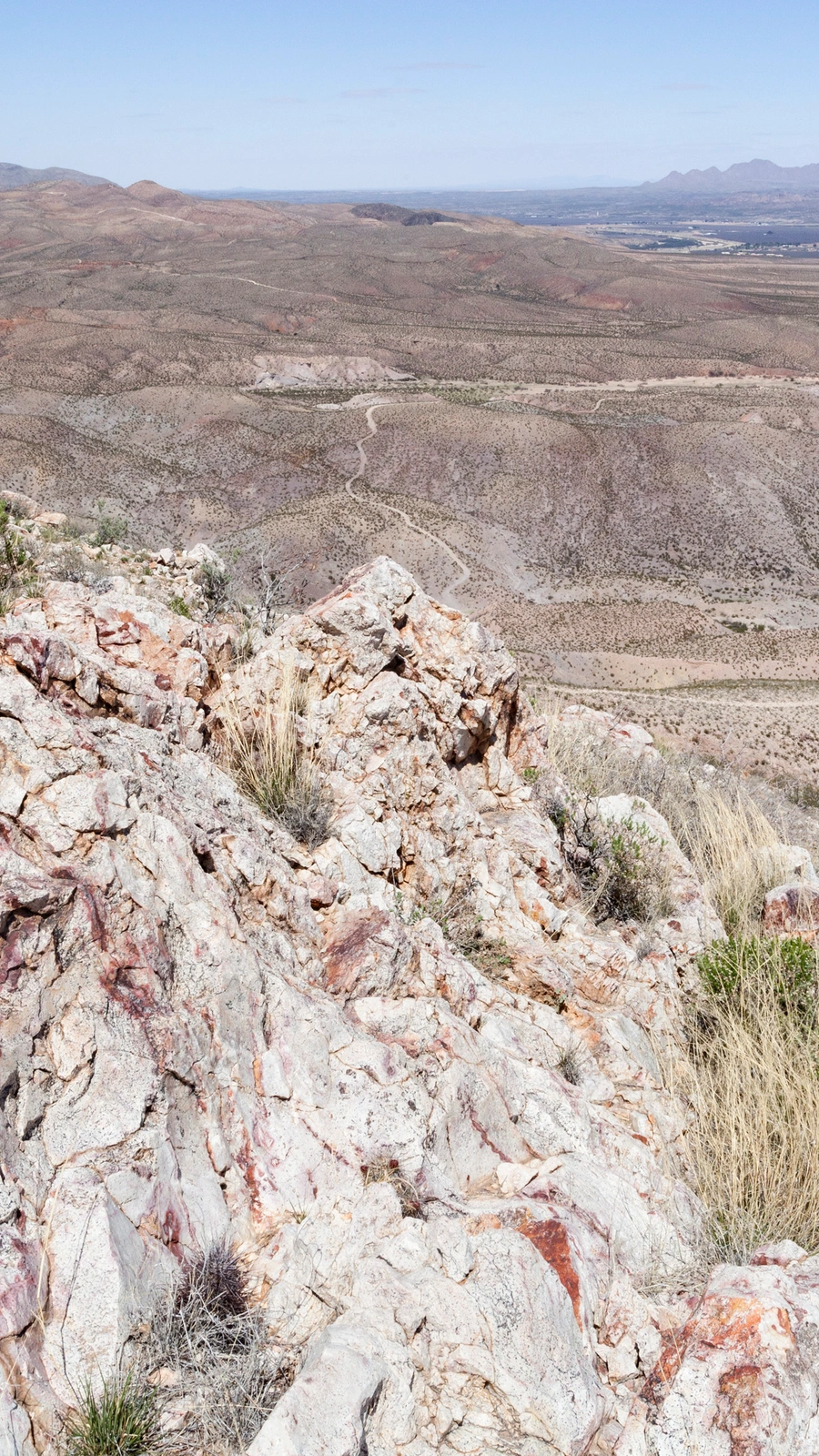 Reference image
 Reference image
White-Spined Nipple Cactus
Mammillaria canescens is a compact, beautifully spined succulent belonging to the highly diverse Cactaceae family. Known for its dense, whitish-grey spination and globular growth, this resilient cactus is highly favored by enthusiasts for its ornamental value and easy cultivation 1.
Historically cataloged in the 19th century, the specific epithet 'canescens' is derived from Latin, translating to 'becoming grey' or 'hoary'. This perfectly describes the overall dusty-white appearance created by its dense radial spines covering the green stem 2.
Native to the arid and semi-arid regions of Mexico, Mammillaria canescens thrives in rocky limestone habitats, scrublands, and open slopes. It is well-adapted to survive prolonged droughts and intense solar radiation by utilizing its dense spine cover to shade its stem 1.
The plant typically features a globose to short-cylindrical dark green stem that may form small clumps over time. Radial spines are numerous, needle-like, and chalky white, while the central spines are slightly darker and stouter. Small, bell-shaped flowers of pale pink to cream color appear in a ring near the crown during late spring 12.
In cultivation, it requires maximum sunlight and a highly porous mineral substrate. Watering should follow the 'soak and dry' method, allowing the soil to dry completely. A cool, dry winter dormancy is critical for inducing robust spring blooms 2.
Overwatering in organic-heavy soils and lack of adequate sunlight are the primary causes of decline. Insulting the plant with wet soil during cold winter months leads to rapid root and stem rot.
Requires at least 6 hours of direct sunlight daily to maintain compact growth and bright spines.
Allow soil to dry out 100% between waterings. Stop watering during winter rest.
Thrives in mineral-heavy soil mixes with plenty of pumice, perlite, and coarse sand.
Non-toxic but possesses sharp spines; handle with care and keep away from pets and children.
Very easy to care for, making it perfect for beginners and dry-indoor environments.
Native to the rocky limestone hillsides and semi-desert slopes of Central and Northern Mexico.
