
Light
Bright Indirect Light
Prefers bright, filtered sunlight. Avoid harsh, direct afternoon sun in mid-summer.
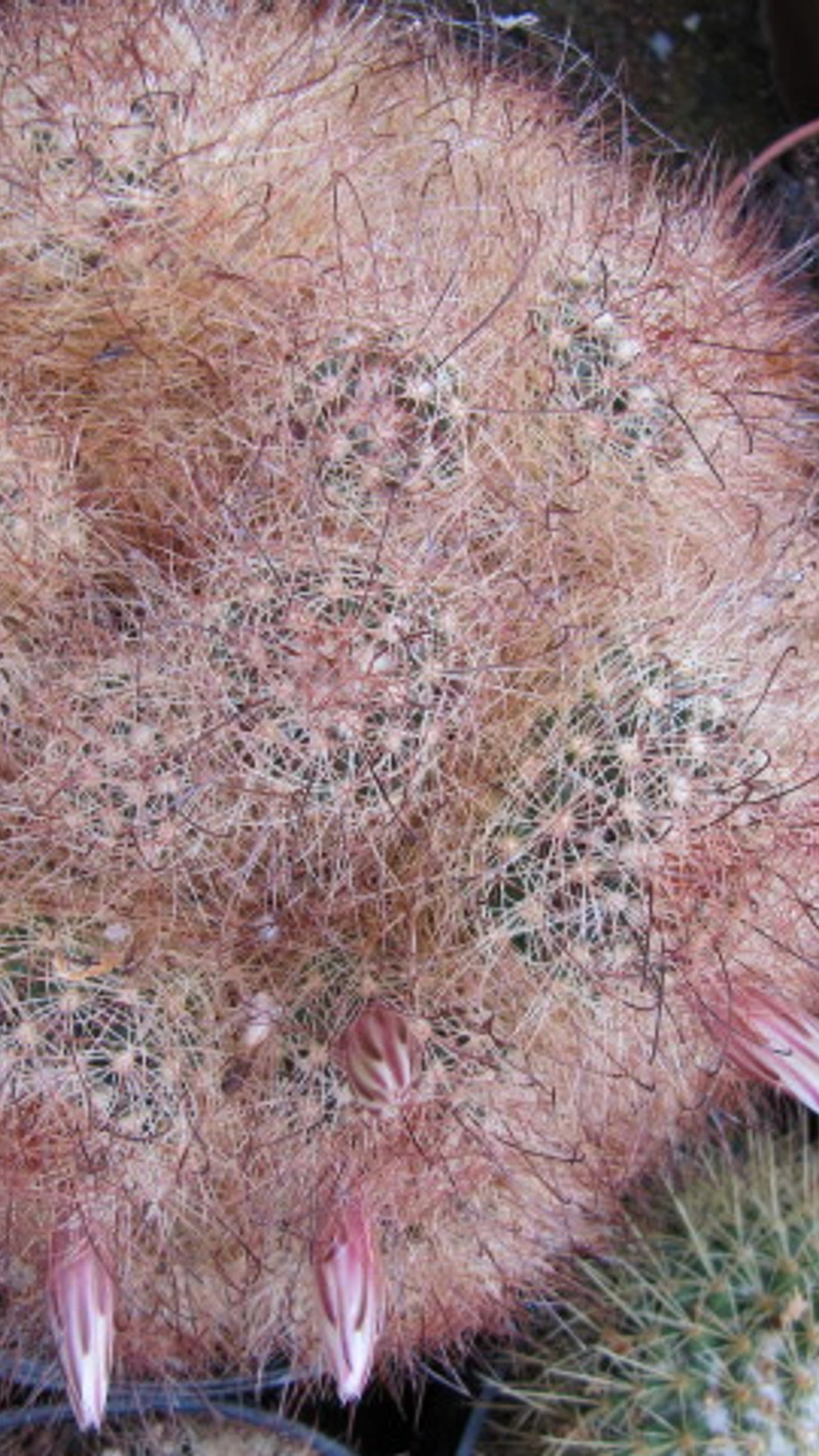 Reference image
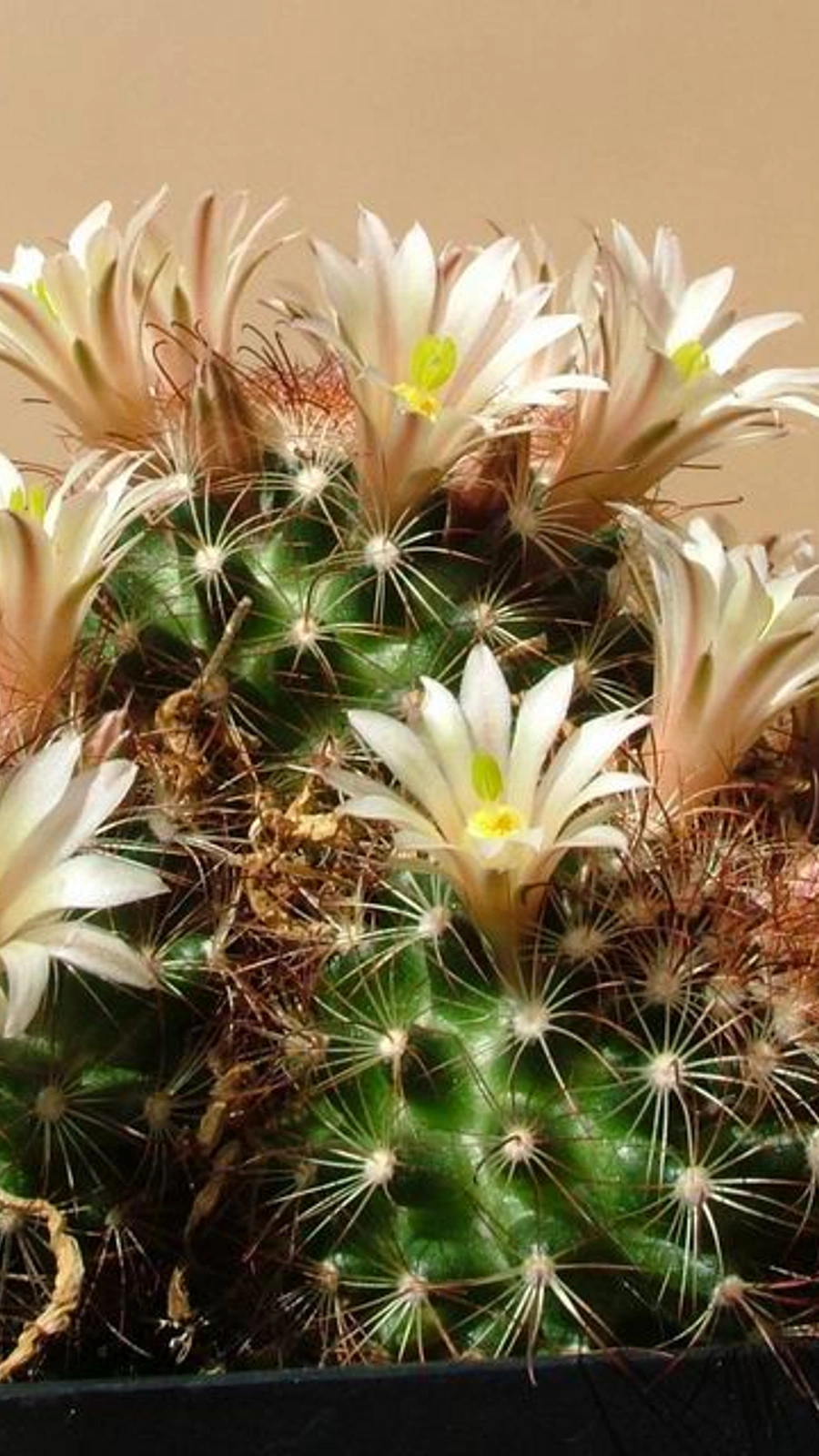 Reference image
Carret's Mammillaria
Mammillaria carretii is a small, clustering, succulent subshrub in the family Cactaceae. Known for its appealing spiral arrangement of tubercles and pale-yellowish, slightly hooked central spines, it forms attractive low cushions in its natural habitat and is highly valued by succulent hobbyists.
The species was first formally integrated into botanical records during the late 19th and early 20th centuries, named in honor of the French priest and cactus enthusiast Abbé Carret 1. It sits comfortably within the large genus Mammillaria, characterized by nipple-like tubercles.
Mammillaria carretii is endemic to the north-central regions of Mexico, primarily found in the states of Coahuila, Nuevo León, San Luis Potosí, and Tamaulipas 2. It populates semi-desert shrublands at elevations ranging from 1000 to 2000 meters, typically growing in limestone rocky crevices shaded by nurse plants.
The stem is globose, dark green, and somewhat flattened on top, clustering from the base as it matures. Areoles bear 12 to 24 needle-like, white radial spines. The single central spine is yellow-brown, needle-like, and noticeably hooked. Bell-shaped flowers emerge in spring, displaying white or cream-colored petals with a soft pinkish midstripe.
This species demands exceptionally well-draining, mineral-based soil mixes. In spring and summer, irrigate thoroughly only after the substrate dries completely. Bright, filtered sunlight is ideal to maintain tight growth and robust spine color. In winter, maintain absolute dryness 1.
Waterlogging is the chief threat to this plant, leading to immediate root rot. Providing insufficient light results in etiolation, where the plant grows weak, pale, and stretched. Watering during cold winter dormancy must be avoided.
Prefers bright, filtered sunlight. Avoid harsh, direct afternoon sun in mid-summer.
Allow the soil to dry out completely between waterings. Suspend watering during winter dormancy.
Highly porous, mineral-based substrate containing pumice, grit, and very little organic matter.
Equipped with tiny, hooked spines that can snag easily. Non-toxic, but handle with care.
Moderately easy to grow, provided watering is kept to a minimum and soil drainage is flawless.
Hails from the high-altitude, semi-arid rocky regions of north-central Mexico, where it thrives in limestone cracks sheltered by desert scrub.
