
Light
Bright Indirect Light
Requires bright, indirect sunlight or filtered sun. Insufficient light leads to unsightly stretching (etiolation).
 Reference image
 Reference image
Coahuila Nipple Cactus
Mammillaria coahuilensis is a highly sought-after, geophytic cactus species belonging to the family Cactaceae 1. Known for its flattened-globose shape, much of its body remains subterranean in the wild, making it a unique specimen for succulent collectors.
This species was originally described as Neomammillaria coahuilensis by Bödeker in 1910 1. It was later transferred to the genus Mammillaria. The specific epithet coahuilensis refers to the Mexican state of Coahuila, where it was first discovered.
Native to the Chihuahuan Desert of Mexico, it is primarily found in the states of Coahuila, Durango, and San Luis Potosí 2. It grows at elevations of 1000 to 1600 meters, typically nestled in limestone soils, dry shrublands, and rocky cracks under sparse desert vegetation.
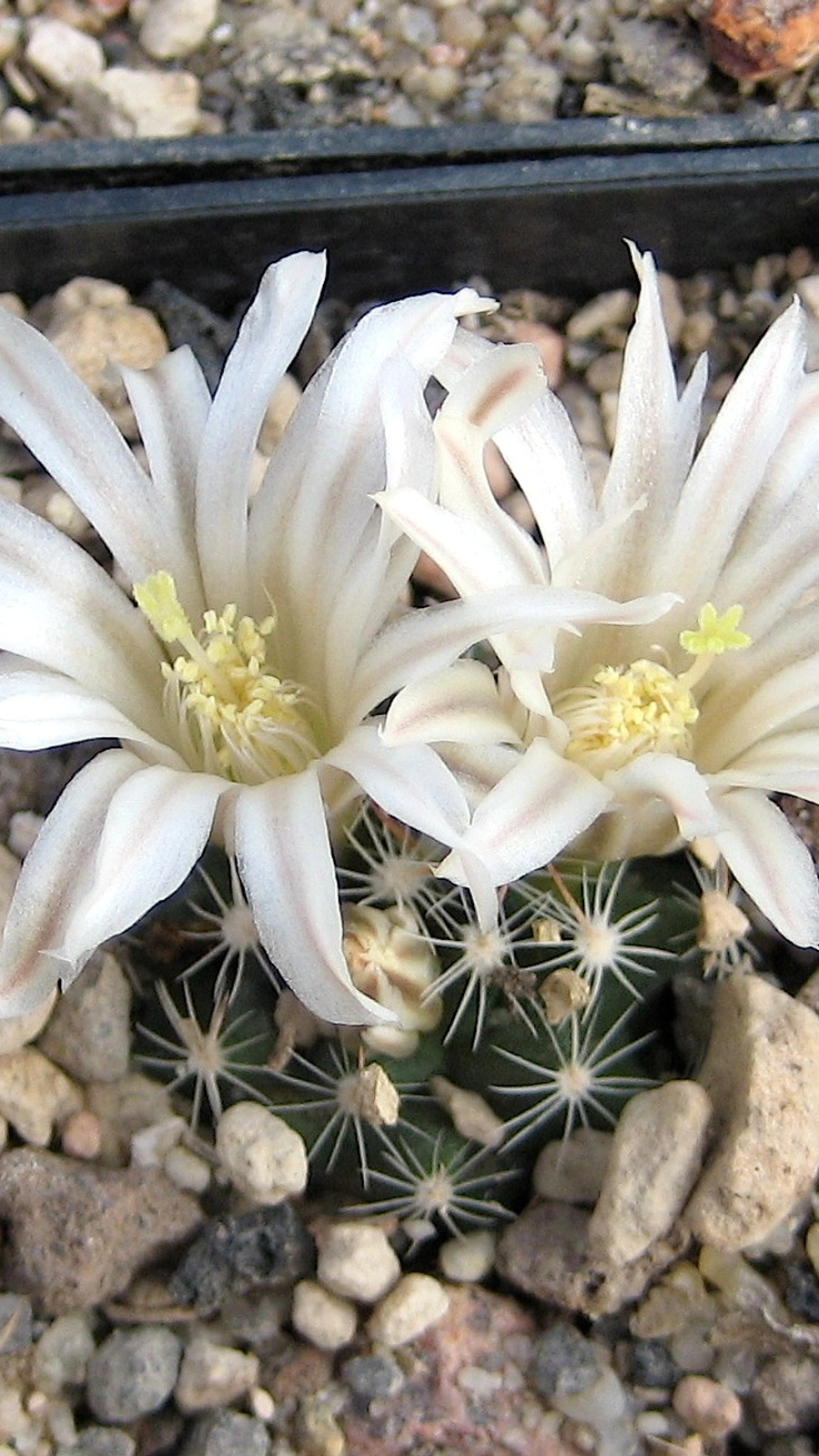
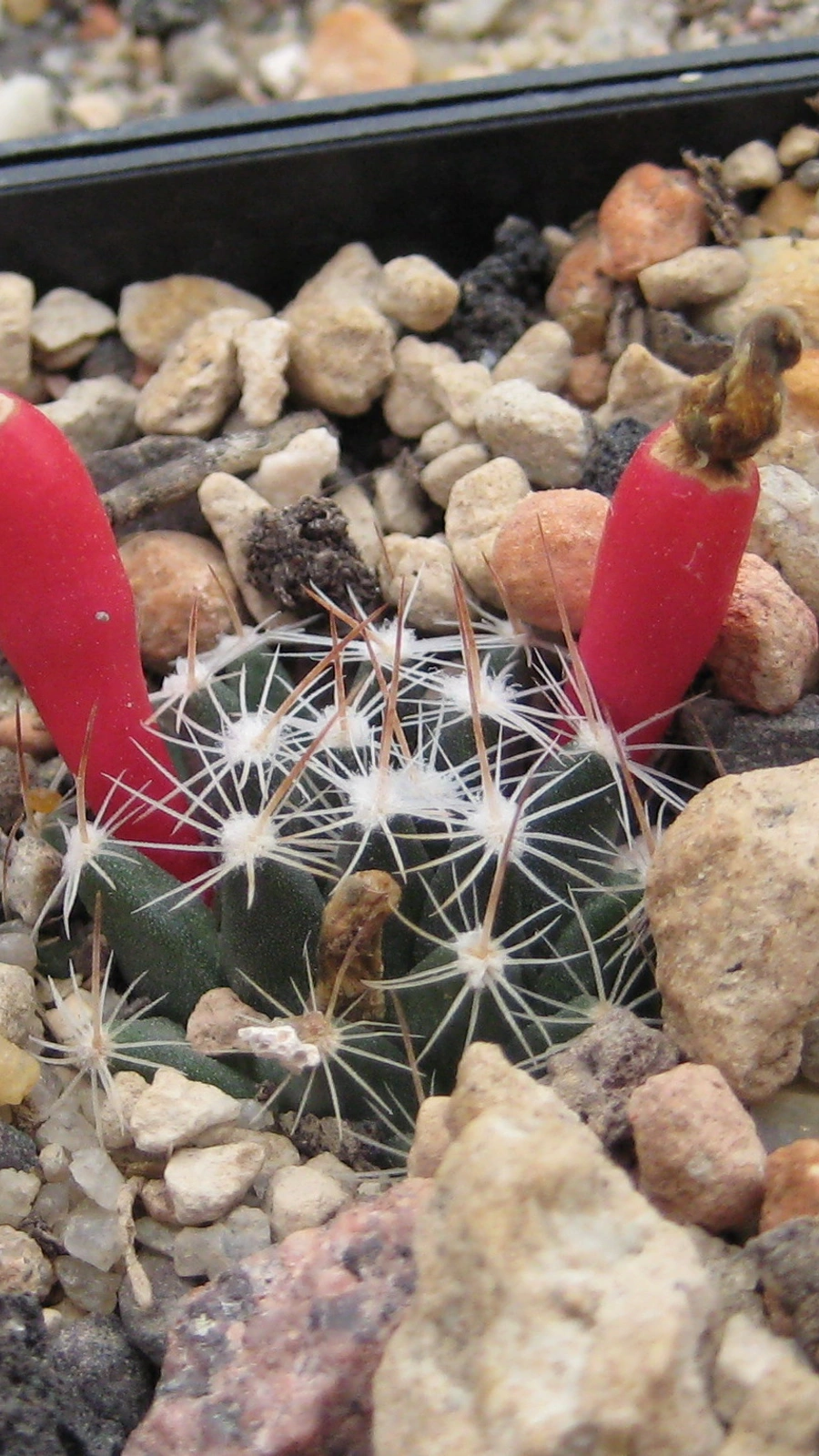
This cactus features a solitary, flattened-globose, blue-green stem that rarely offsets. Areoles bear soft, needle-to-hair-like white radial spines that cover the body. During spring, it produces attractive cream-to-pale-yellow flowers with distinct reddish-brown midribs, followed by bright red, club-shaped fruits.
Mammillaria coahuilensis possesses a thick, tuberous taproot that requires deep, highly porous pots. During its active growth phase, it thrives in mineral-heavy soil mixes with low organic content 1. When kept completely dry in winter, it can tolerate short spells of cold down to 5°C.
The most prevalent issue is root rot caused by poor drainage and overwatering. Its fleshy taproot is extremely sensitive to stagnant moisture. Insufficient winter rest and warm winter temperatures can cause etiolation, ruining its compact form.
Requires bright, indirect sunlight or filtered sun. Insufficient light leads to unsightly stretching (etiolation).
Water only when the substrate is completely dry. Keep dry in winter to prevent root rot.
Use a highly porous, mineral-rich soil mix with pumice, perlite, and coarse sand. Avoid heavy clay.
Non-toxic to pets, but has fine spines that can cause mild irritation if handled carelessly.
Moderate difficulty due to its sensitive taproot, but very rewarding if watering is properly managed.
Originates from the high-altitude semi-desert plains and limestone hills of northern Mexico, where it grows partially buried in gravelly soils.
