
Mammillaria crucigera

Cross-Bearing Pincushion Cactus

Overview

Mammillaria crucigera is a slow-growing, highly sought-after succulent subshrub belonging to the Cactaceae family. Known for its geometric spine arrangement and clustering habit, this species is a gem among cactus enthusiasts 1.

Taxonomy and Naming

The specific epithet 'crucigera' translates from Latin as 'cross-bearing', a direct reference to its tiny radial spines that form a distinct cross pattern on each areole. It belongs to the diverse genus Mammillaria 2.

Distribution and Habitat

This species is endemic to southern Mexico, specifically the states of Oaxaca and Puebla. It grows in semi-arid deserts and dry shrublands, clinging vertically to steep gypsum and limestone cliffs at elevations of 800 to 1000 meters 1.

Appearance

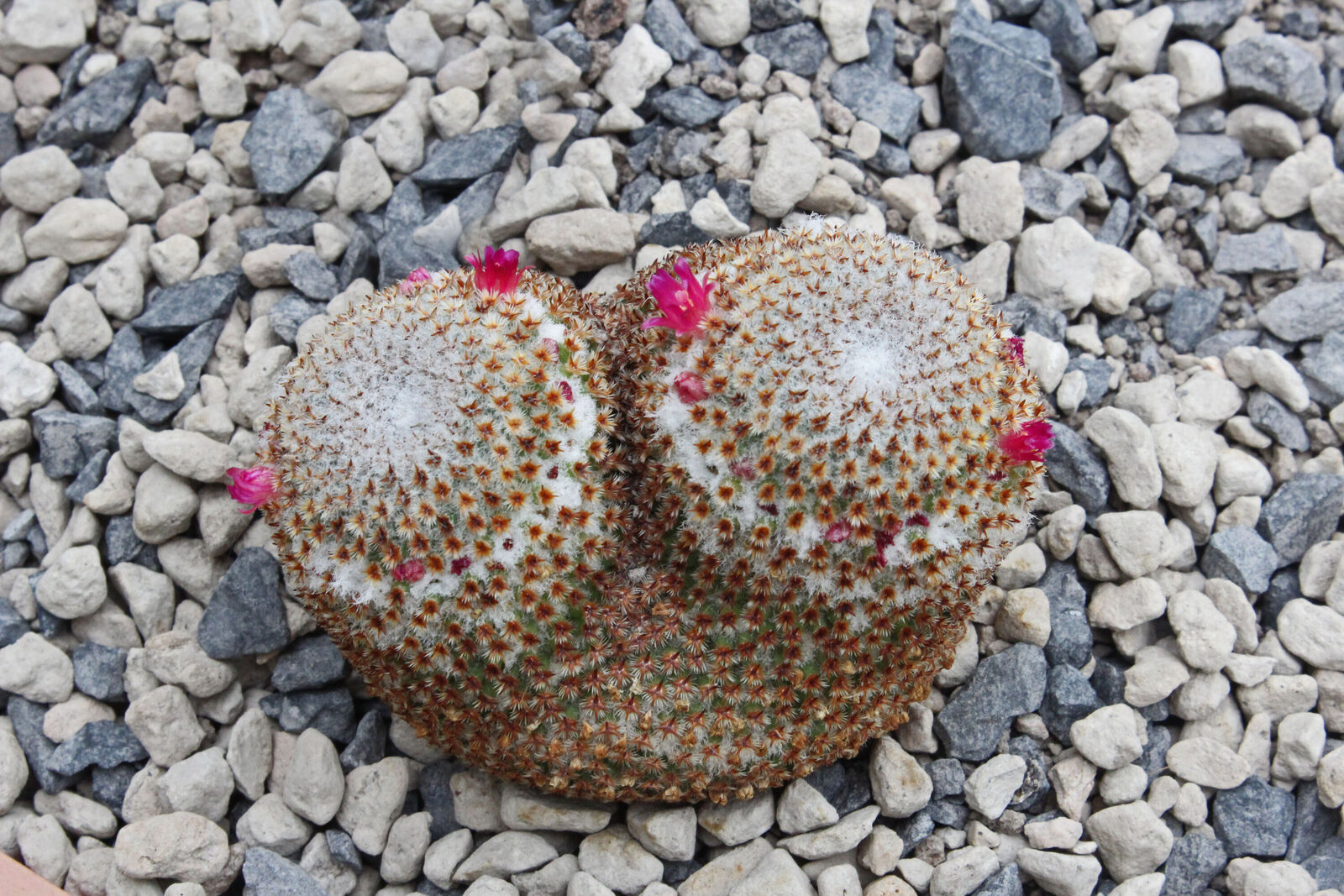
It features globose to cylindrical stems that branch dichotomously over time to form compact clumps. The body is covered with small tubercles. Each areole contains 4 to 5 short, stiff spines arranged in a cross. The axils are filled with dense white wool, from which tiny, deep pink to purplish flowers emerge 2.

Cultivation and Care

Mammillaria crucigera requires a highly mineral, gritty potting medium with virtually no organic matter to prevent rot. It thrives in bright, filtered sunlight and requires strict dry conditions during the cold winter dormancy period 3.

Common Cultivation Mistakes

Overwatering and using standard peat-heavy soil mixes are the leading causes of root rot. Lack of light results in etiolation, causing the symmetrical globose stems to stretch and weaken.

References

  1. IUCN Red List of Threatened Species: Mammillaria crucigera.
  2. Anderson, E. F. (2001). The Cactus Family. Timber Press.
  3. Pilbeam, J. (1999). Mammillaria: The Collector's Guide. Cactus & Co.
Light

Filtered Sun

Prefers filtered sunlight or bright indirect light to prevent sunburn.
Watering

12-45 Days

Never water until the soil is bone dry; keep completely dry in winter.

Soil

Extremely well-drained, mineral-based cactus mix containing abundant pumice, lava rock, and limestone or gypsum grit.

Highly mineral substrate rich in pumice and limestone grit is ideal.

Safety

Pet Friendly

Spines are tiny but stiff; keep out of reach of children and pets to avoid physical injury.

Difficulty

Moderate

Requires moderate experience due to high sensitivity to overwatering.

Native Habitat

Mexico (Oaxaca, Puebla)

Inhabits steep gypsum and limestone cliffs in southern Mexico, clinging vertically in cracks of rocky canyons.

Frequently Asked Questions

How often should Mammillaria crucigera be watered?
Water only when the soil is completely dry during summer (around every 10-14 days). Keep completely dry throughout the winter.
What is the best soil mix for this cactus?
Use a highly porous, purely mineral soil mix consisting of pumice, lava rock, limestone grit, and very little to no organic matter.
How much sunlight does Mammillaria crucigera need?
Filtered sunlight or bright, indirect light is ideal. Protect it from intense, direct midday summer sun.
Is it toxic to pets?
It is non-toxic, but the sharp spines pose a physical injury risk to curious pets.
When does Mammillaria crucigera bloom?
It typically blooms in late spring and early summer, producing small pinkish-purple flowers from the woolly axils.
How fast does it grow?
It is a very slow-growing species, taking many years to develop its characteristic clustered habit.
What temperature does it need in winter?
It should be overwintered in a dry, ventilated area with temperatures kept above 5°C (41°F).
When should I repot this cactus?
Due to its slow growth, repotting is only necessary every 3-4 years in early spring, taking care not to damage the roots.
What should I do if I notice soft spots on the stem?
Soft spots usually indicate rot from overwatering. Stop watering immediately; you may need to take cuttings from healthy tissue to save it.
Are the white cotton-like structures between tubercles normal?
Yes, dense white wool in the axils is a natural characteristic of this species and should not be confused with mealybugs.