
Light
Bright Indirect Light
Requires 4-6 hours of bright filtered sunlight daily; avoid intense, scorching midday sun.
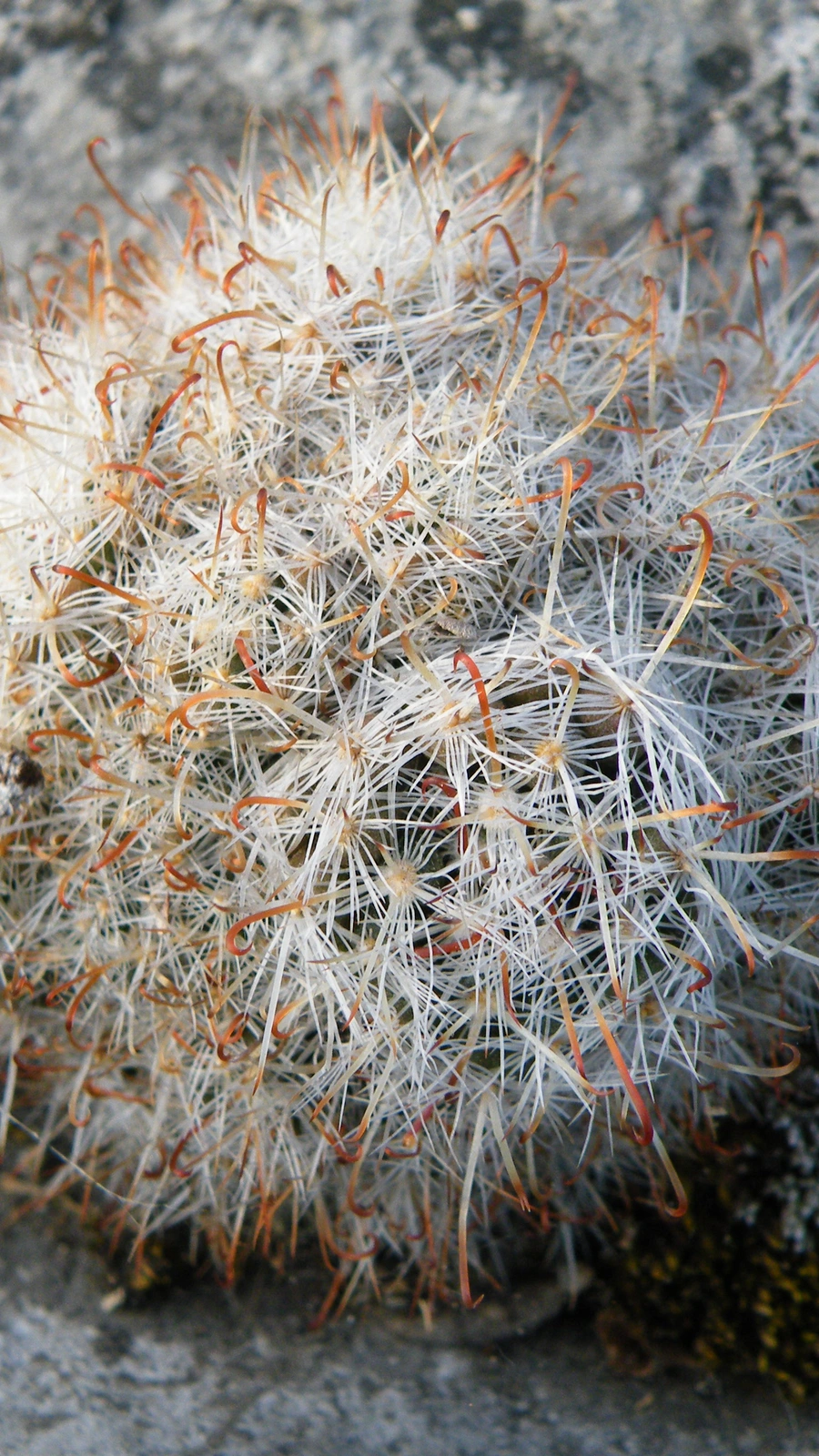 Reference image
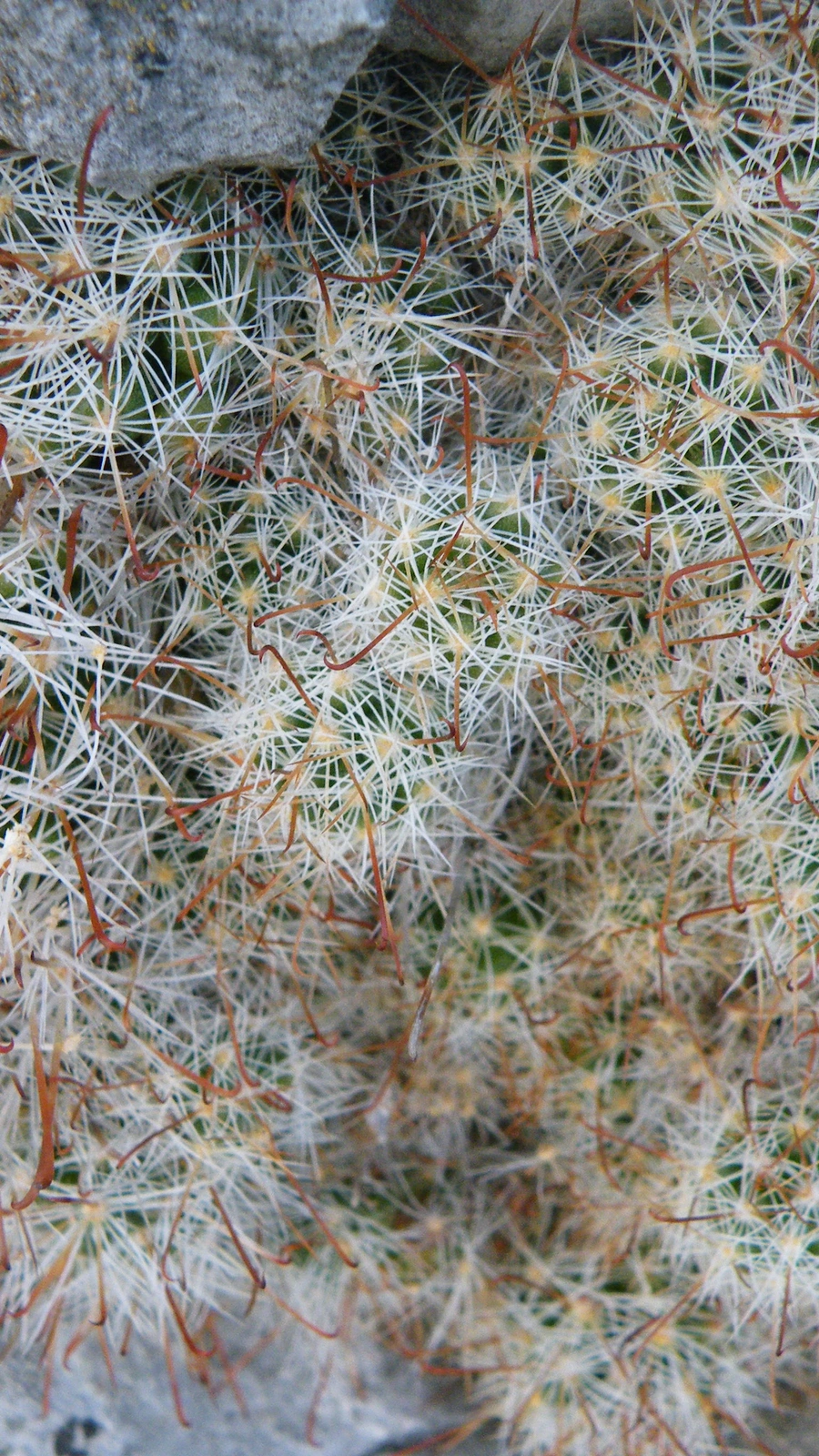 Reference image
Red-seeded Pincushion Cactus
Mammillaria erythrosperma is a clustering, perennial succulent subshrub belonging to the prominent genus Mammillaria within the Cactaceae family 1. Celebrated for its bright pinkish-purple flowers and distinctive reddish seeds, it is a highly popular and easy-to-grow species among succulent enthusiasts.
The specific epithet 'erythrosperma' translates from Greek as 'red-seeded' (from 'erythros' meaning red and 'sperma' meaning seed), referring to the characteristic dark red or brownish seeds produced within its fruits 2. Like other members of the genus Mammillaria, it is characterized by spirally arranged tubercles on the stem surface.
This species is native to central and northern Mexico, particularly within the state of San Luis Potosí 1. It thrives at elevations between 1800 and 2400 meters above sea level, typically growing in volcanic rock crevices, semi-arid grasslands, and dry shrublands under the shade of sparse vegetation 2.
Mammillaria erythrosperma forms dense, low-growing mounds or cushions through extensive basal clustering. Stems are globose to short-cylindrical and dark green. Each areole bears 15-20 glassy white, needle-like radial spines and 1-4 yellowish-brown, hooked central spines. In late spring and summer, it produces funnel-shaped, vibrant magenta flowers arranged in a crown-like ring near the stem apex 1.
This cactus prefers very porous, mineral-rich soils with excellent drainage. Water thoroughly during the active growing season only when the substrate is completely dry. In winter, keep the plant dry and cool to encourage dormancy and robust spring flowering 2.
The most prevalent issue is root rot caused by overwatering or compacted soil that retains moisture. Lack of adequate light results in etiolation (stretching of stems), making the plant weak and susceptible to pests like mealybugs.
Requires 4-6 hours of bright filtered sunlight daily; avoid intense, scorching midday sun.
Soak and dry method; allow the soil to dry out 100% before watering again. Keep dry in winter.
Requires a highly mineral, fast-draining cactus substrate rich in pumice and sand.
Features sharp, hooked central spines that snag easily on skin and clothing. Non-toxic to pets.
Very easy for beginners, provided that overwatering is strictly avoided.
Endemic to the high-altitude rocky terrains and dry desert shrublands of central and northern Mexico, especially common in San Luis Potosí.
