
Light
Bright Indirect Light
Requires plenty of bright, filtered light. Insufficient light causes etiolation (stretching) and weakens the spine density.
 Reference image
 Reference image
Gasser's Pincushion Cactus
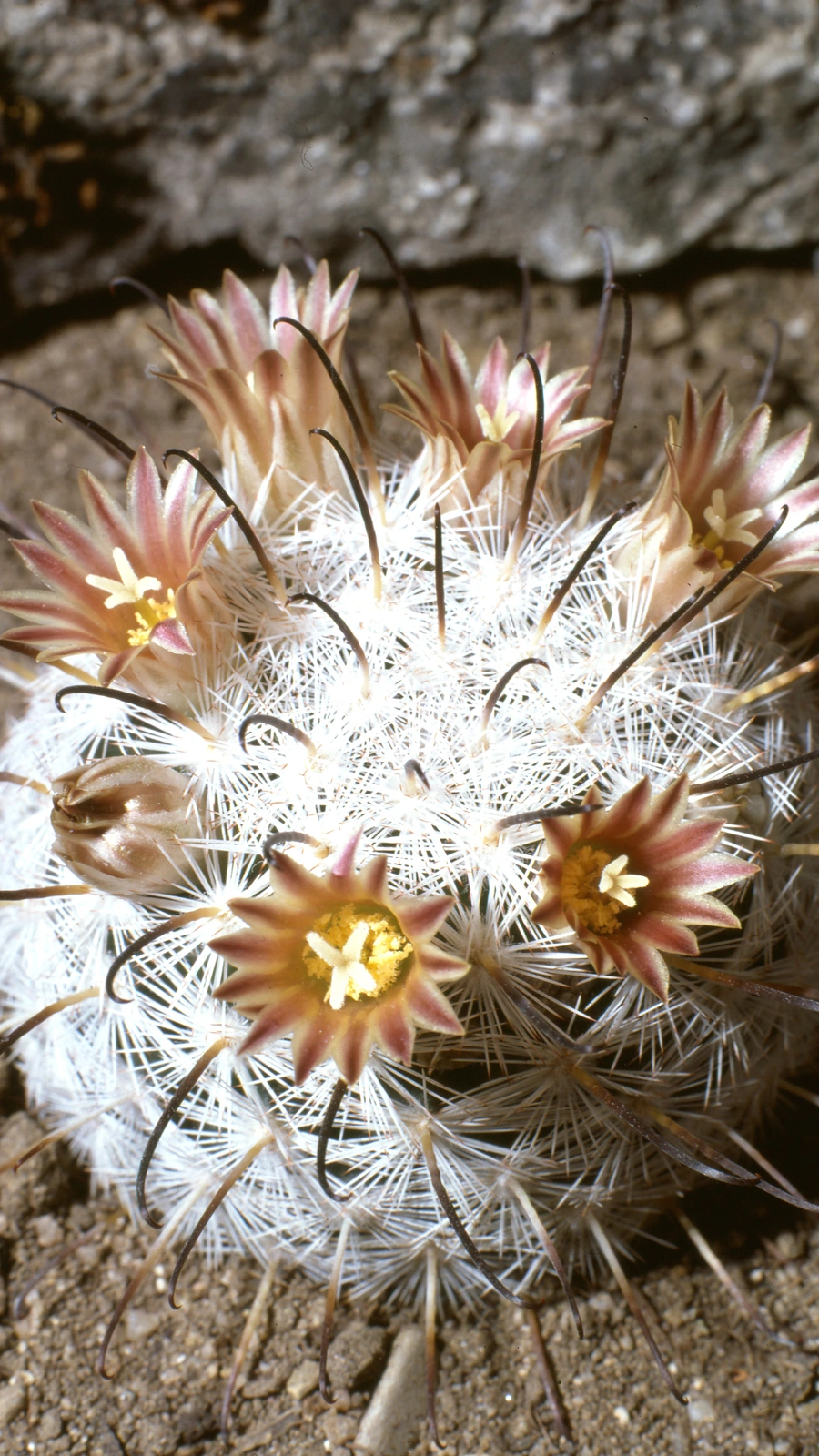
Mammillaria gasseriana is a small, highly sought-after, and rare cactus species belonging to the family Cactaceae. Due to habitat loss and narrow distribution, it is categorized as Critically Endangered (CR) on the IUCN Red List 1. It is well-regarded by collectors for its compact, globose shape and dense, white spine cover.
The species was named in honor of Jakob Gasser, an Austrian cactus collector and enthusiast 2. In the genus Mammillaria, it is characterized by its prominent tuberous projections (mammillae) and specific arrangement of radials and central spines.
This species is native to northern Mexico, particularly within the states of Coahuila, Durango, and neighboring arid zones 1. It thrives in desert or dry shrublands, typically nestled in limestone crevices and gravelly slopes at elevations ranging from 1000 to 1400 meters above sea level.
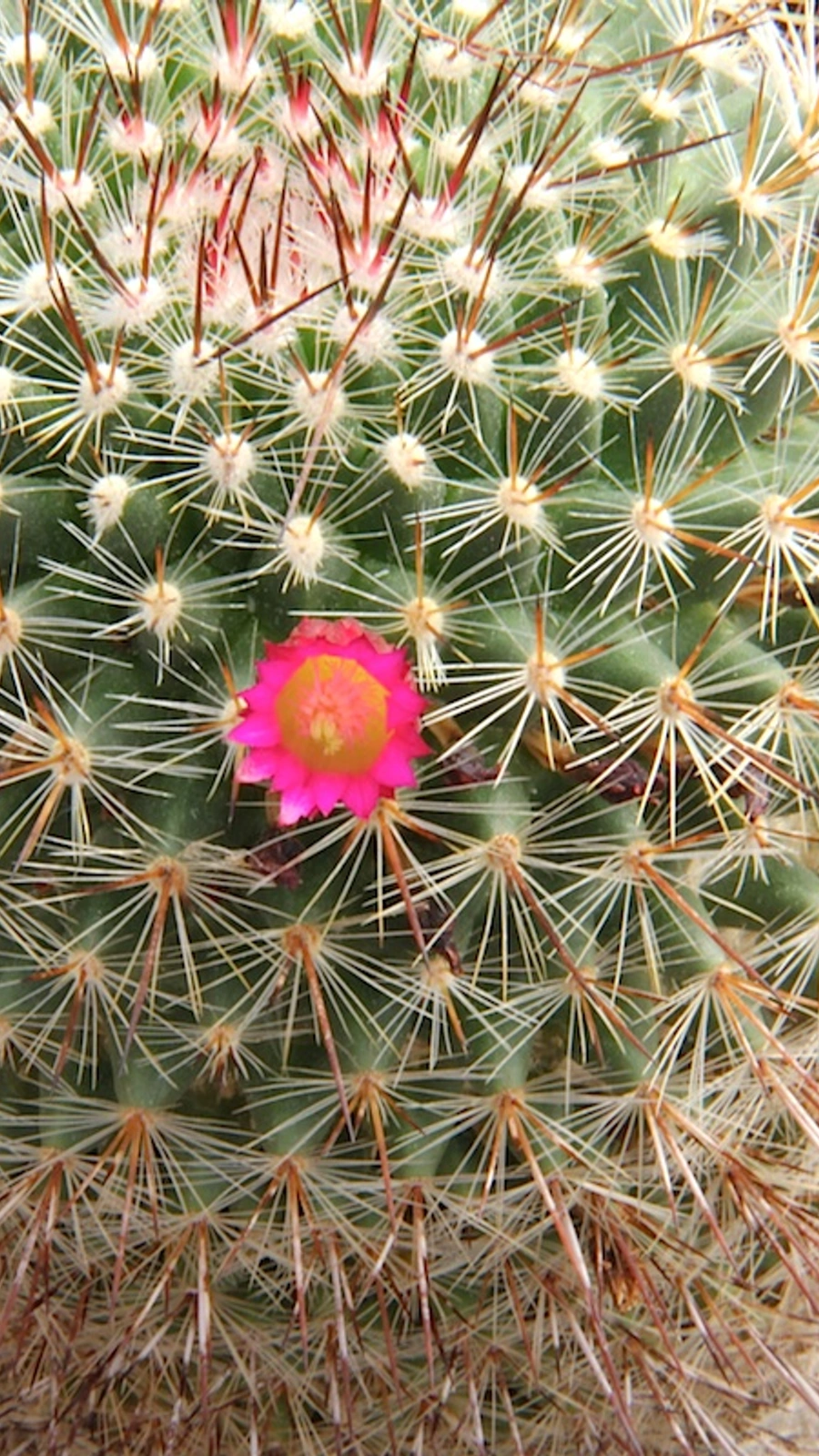
Mammillaria gasseriana is a succulent subshrub that grows either solitarily or in small clusters. Its stems are globose to shortly cylindrical, rarely exceeding 5 cm in diameter. The areoles bear numerous brilliant white, radial spines that cover the green body, often accompanied by hooked central spines. It produces delicate cream-to-pinkish-striped flowers around the crown.
In cultivation, it requires bright, filtered sunlight to keep its dense spination compact. Watering should follow the 'soak and dry' method, allowing the substrate to dry out entirely between waterings. Winter dormancy requires cool temperatures and almost completely dry soil.
The most prevalent issue is overwatering combined with poorly draining soil, which rapidly leads to root rot 2. Lack of adequate airflow in high humidity also predisposes the plant to fungal infections.
Requires plenty of bright, filtered light. Insufficient light causes etiolation (stretching) and weakens the spine density.
Water thoroughly only after the soil is 100% dry. Keep completely dry throughout the cold winter months.
Requires a highly mineralized substrate. Mix 50% pumice or perlite with a low-peat organic cactus soil.
Non-toxic to pets, but possesses sharp, hooked micro-spines that can easily catch on skin or fur. Handle with care.
Moderate care difficulty due to its high susceptibility to root rot from overwatering.
Naturally distributed across the arid Chihuahuan desert areas of northern Mexico, growing in crevices of limestone rocks under the light shade of desert shrubs.
