
Light
Full Sun
Requires full sun or very bright indirect light; thrives in southern exposures.
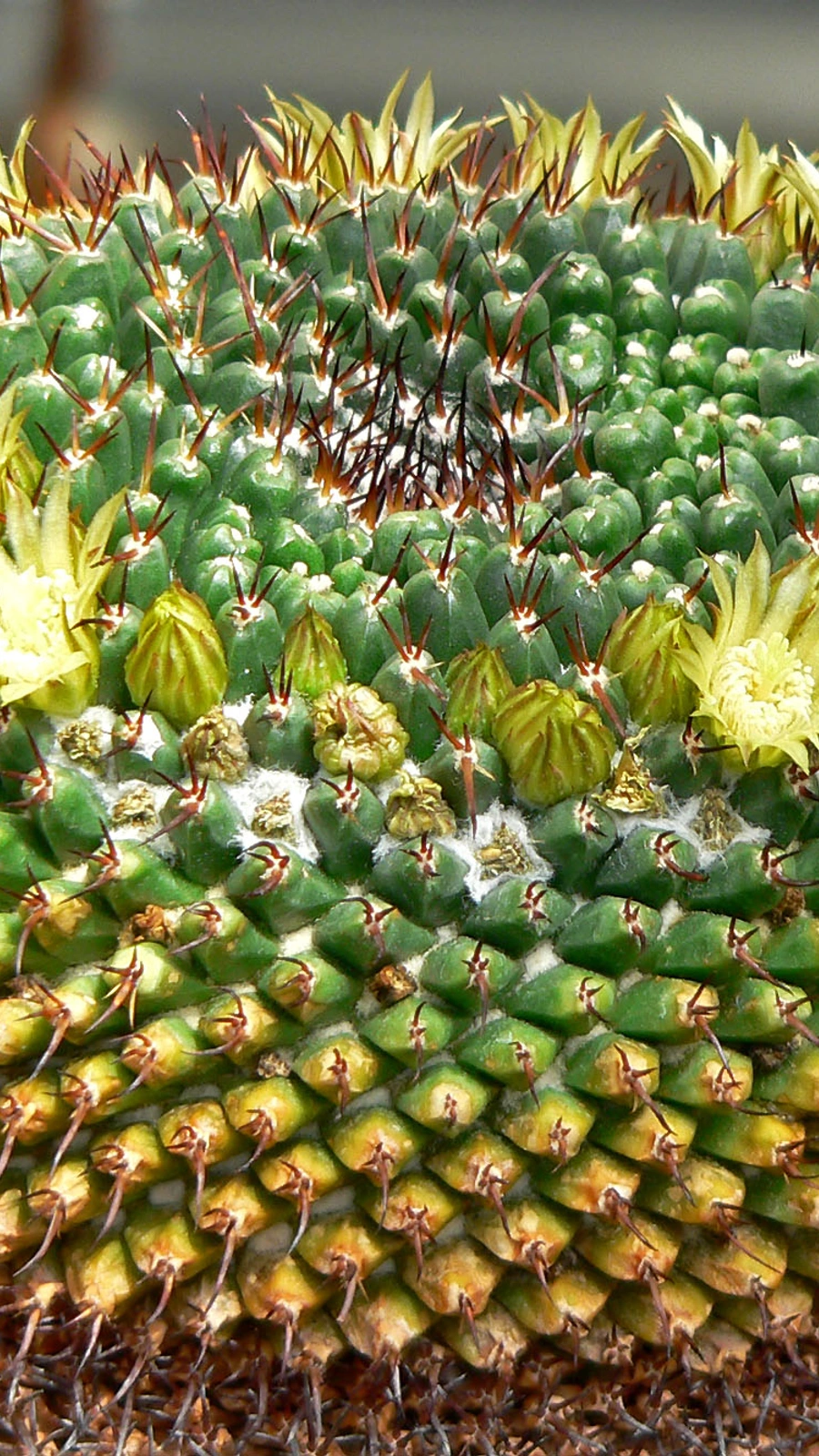 Reference image
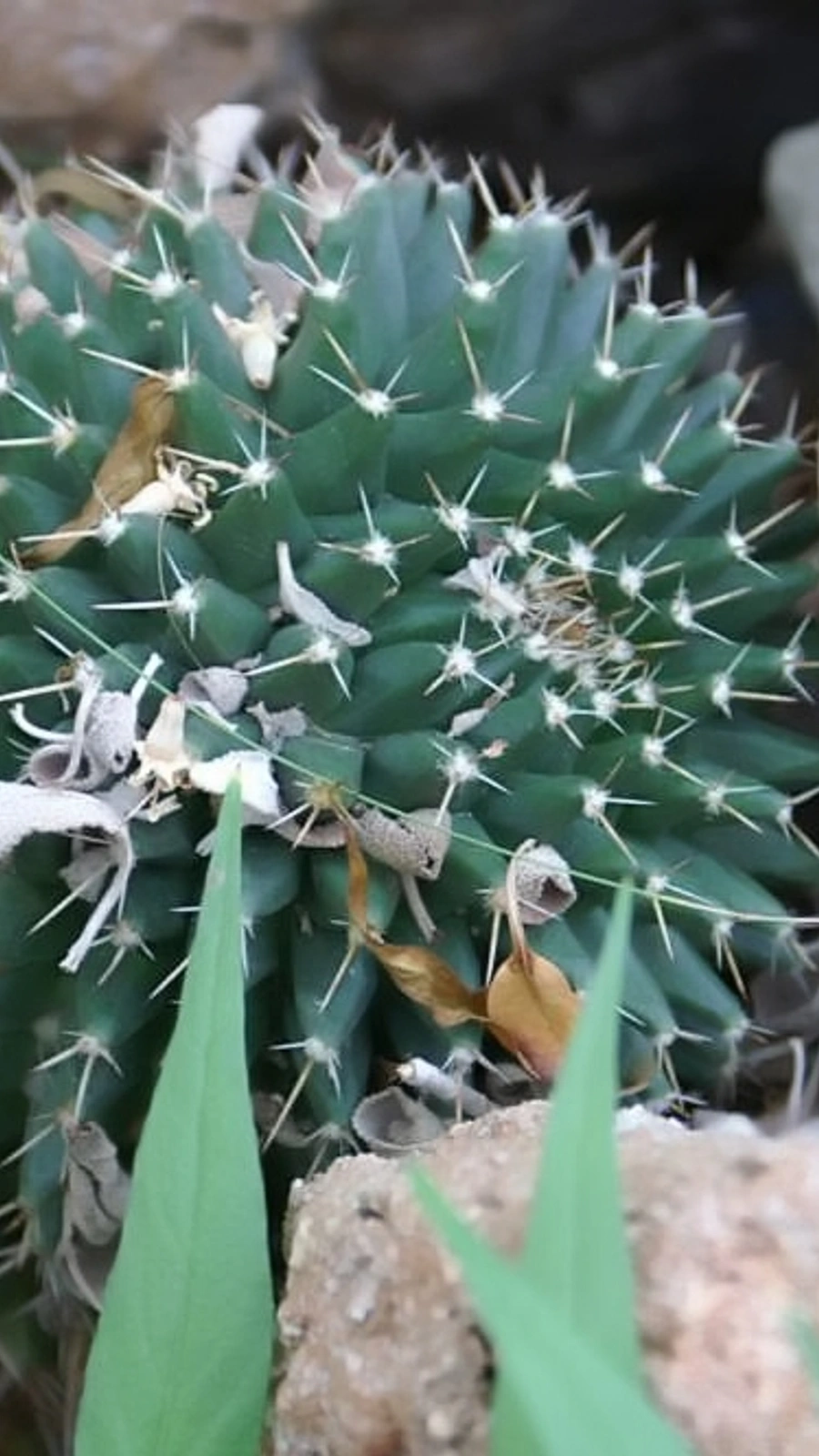 Reference image
Giant Nipple Cactus
Mammillaria gigantea is a slow-growing, solitary or slowly clumping globose cactus known for its flattened, robust stem and formidable spine structure. Classified as a succulent subshrub, it thrives in dry and rocky environments, displaying remarkable resilience to drought.
The species belongs to the genus Mammillaria within the Cactaceae family, characterized by its prominent mammillae (nipple-like tubercles) 1. The specific epithet gigantea translates to "gigantic" in Latin; while not a giant compared to saguaros, it refers to its unusually large, stout, and wide growth habit compared to other members of its genus.
Mammillaria gigantea is endemic to Mexico, specifically found in the central and north-central states such as Guanajuato, Querétaro, San Luis Potosí, and Zacatecas 2. It populates desert areas and dry shrublands, typically growing on rocky limestone slopes at high elevations ranging between 1,800 and 2,400 meters above sea level.
The stem is depressed-globose, dull blue-green, and grows up to 15 cm in diameter. Tubercles are firmly set, pyramidal, and woolly at their bases. It bears stout, slightly curved, yellowish-brown radial and central spines. The small, funnel-shaped flowers emerge in a ring near the growing tip, displaying cream-yellow or greenish-yellow petals, followed by small reddish fruits 1.
In cultivation, Mammillaria gigantea is highly valued for its geometric form. It requires exceptional drainage, porous mineral substrates, and full sun exposure to maintain its compact form and dense spination. During its winter dormancy, it can tolerate dry cold down to -5°C 2.
Overwatering is the primary cause of failure, leading to root rot. Lack of adequate direct sunlight causes etiolation, where the plant stretches weakly towards the light, losing its characteristic flattened-spherical shape.
Requires full sun or very bright indirect light; thrives in southern exposures.
Strictly follow the 'soak and dry' method. Keep entirely dry in winter.
Requires a gritty, low-organic cactus mix with plenty of pumice and coarse sand.
Non-toxic to pets, but the heavy, sharp spines can cause physical injury.
Very easy for beginners provided they do not overwater or use heavy soil.
Endemic to the high-elevation semideserts and limestone outcrops of central Mexico, predominantly across Querétaro, San Luis Potosí, and Guanajuato.
