
Light
Bright Indirect Light
Requires bright, indirect sunlight or filtered sun. Avoid intense midday direct summer sun.
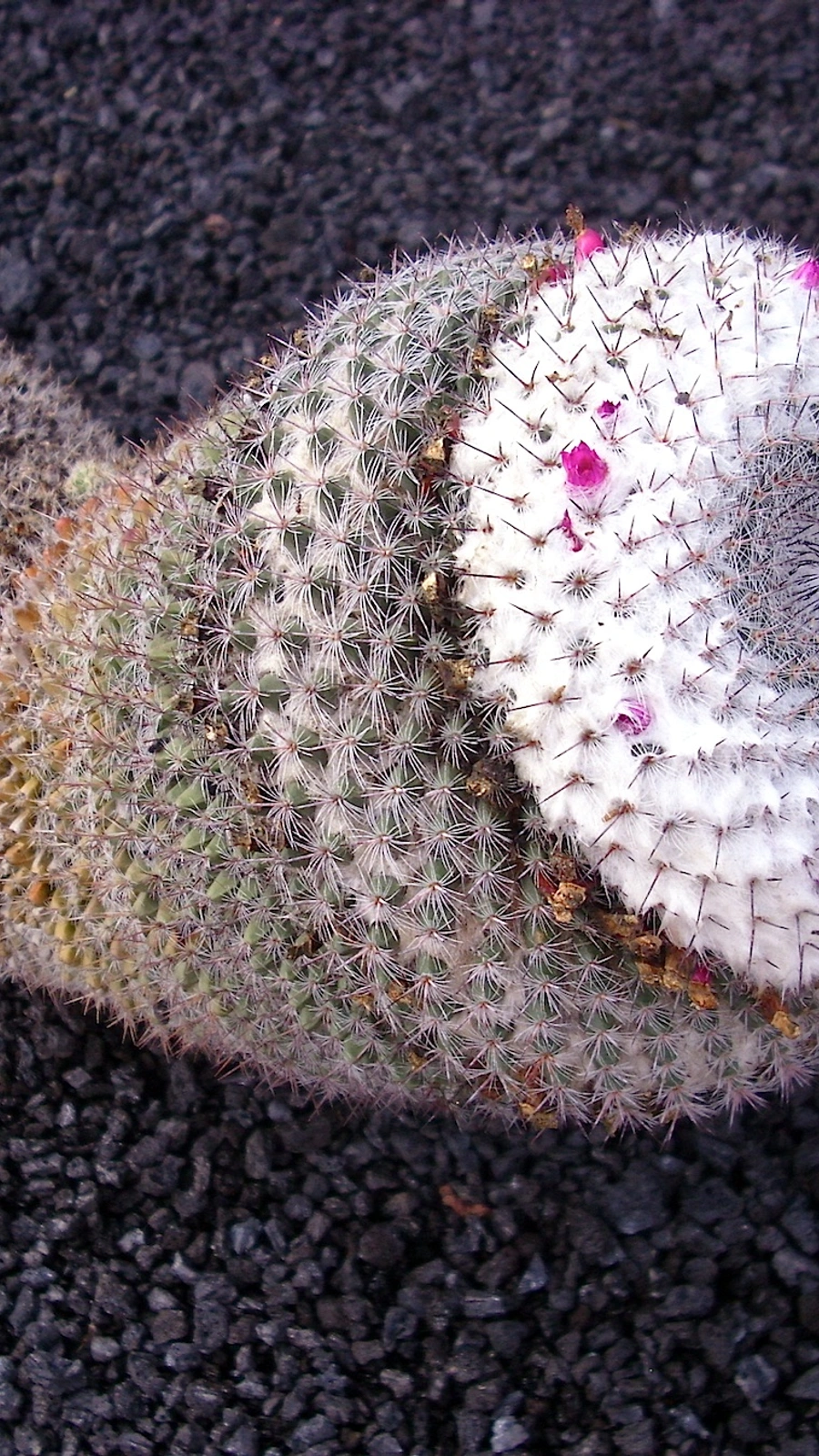 Reference image
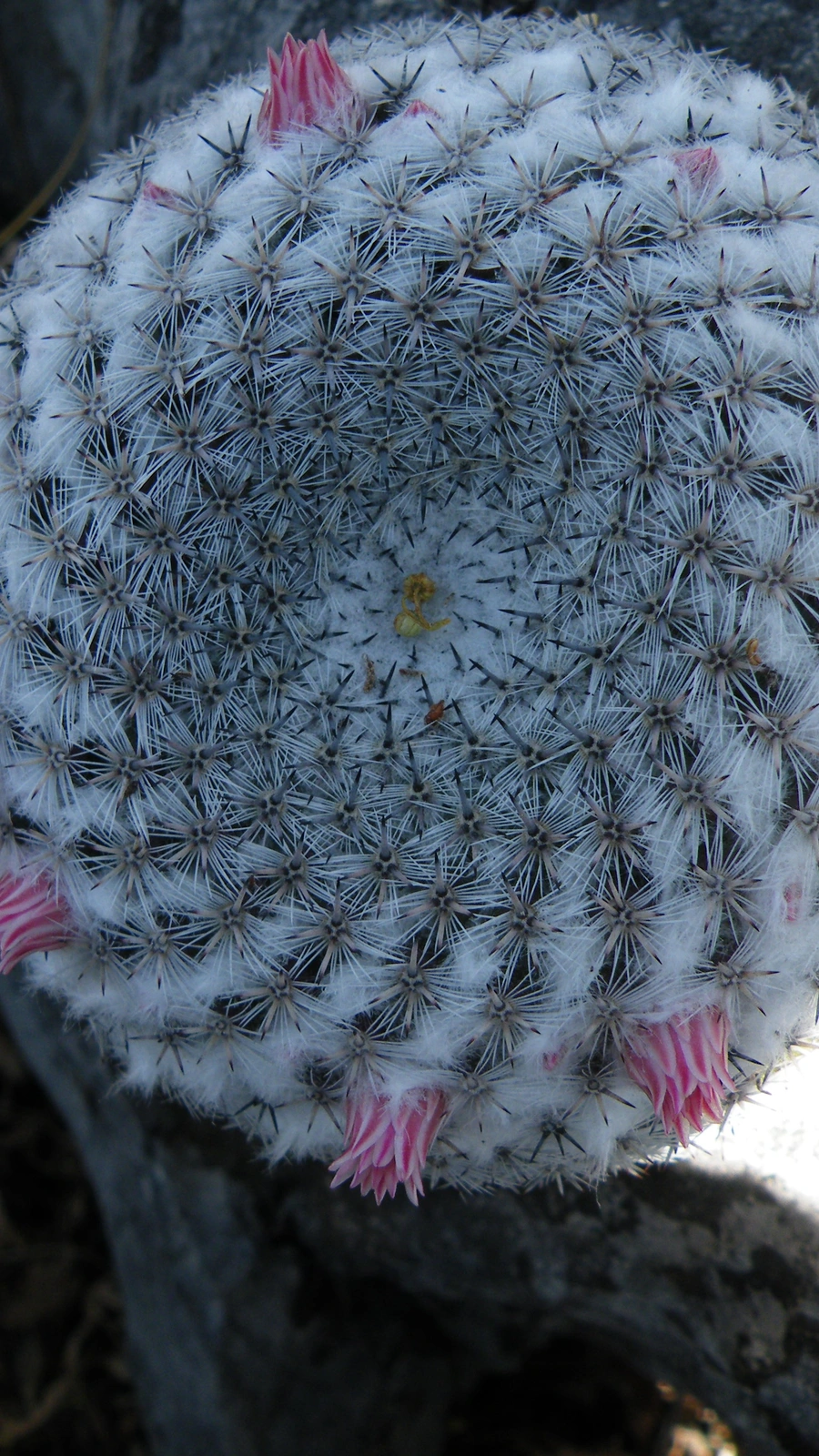 Reference image
Silver Ball Cactus
Mammillaria klissingiana is a globose to short-cylindrical succulent subshrub belonging to the Cactaceae family. Known for its dense, silvery-white spination and woolly crown, it is highly prized among cactus collectors 1.
The species was named in honor of Carl Klissing, an esteemed German cactus enthusiast. As a member of the Mammillaria genus, it is characterized by the presence of tubercles rather than continuous ribs 2.
This species is native to northeastern Mexico, specifically within the states of Tamaulipas, San Luis Potosí, and Nuevo León. It thrives on limestone hills, rocky slopes, and dry shrublands at elevations between 800 and 2,300 meters 1.
The stem is initially solitary and spherical, eventually clustering from the base to form columns up to 15 cm tall. It is densely covered with 30-40 radiating, silvery-white radial spines and fewer central spines. In late spring, small, pink to rose-colored flowers bloom in a ring near the woolly apex 2.
Mammillaria klissingiana requires bright, indirect sunlight or filtered sun. The soil must be extremely well-draining, and watering should only occur when the substrate is completely dry. During winter, it requires a dry dormancy period in cool conditions 1.
Overwatering is the primary cause of failure, quickly leading to root rot. Insufficient light causes the stem to stretch unnaturally (etiolation), weakening the plant and ruining its symmetrical shape.
Requires bright, indirect sunlight or filtered sun. Avoid intense midday direct summer sun.
Water only when the substrate is bone dry. Drastically reduce watering in winter.
Needs highly porous, mineral-based substrate containing pumice, perlite, and coarse sand.
Non-toxic to pets, but has sharp spines that can cause mechanical injury if handled.
Very easy to care for, making it ideal for novice succulent growers.
Endemic to northeastern Mexico, where it grows naturally on limestone slopes, rocky cliffs, and dry desert shrublands.
