
Light
Bright Indirect Light
Bright, filtered sunlight with protection from intense afternoon heat.
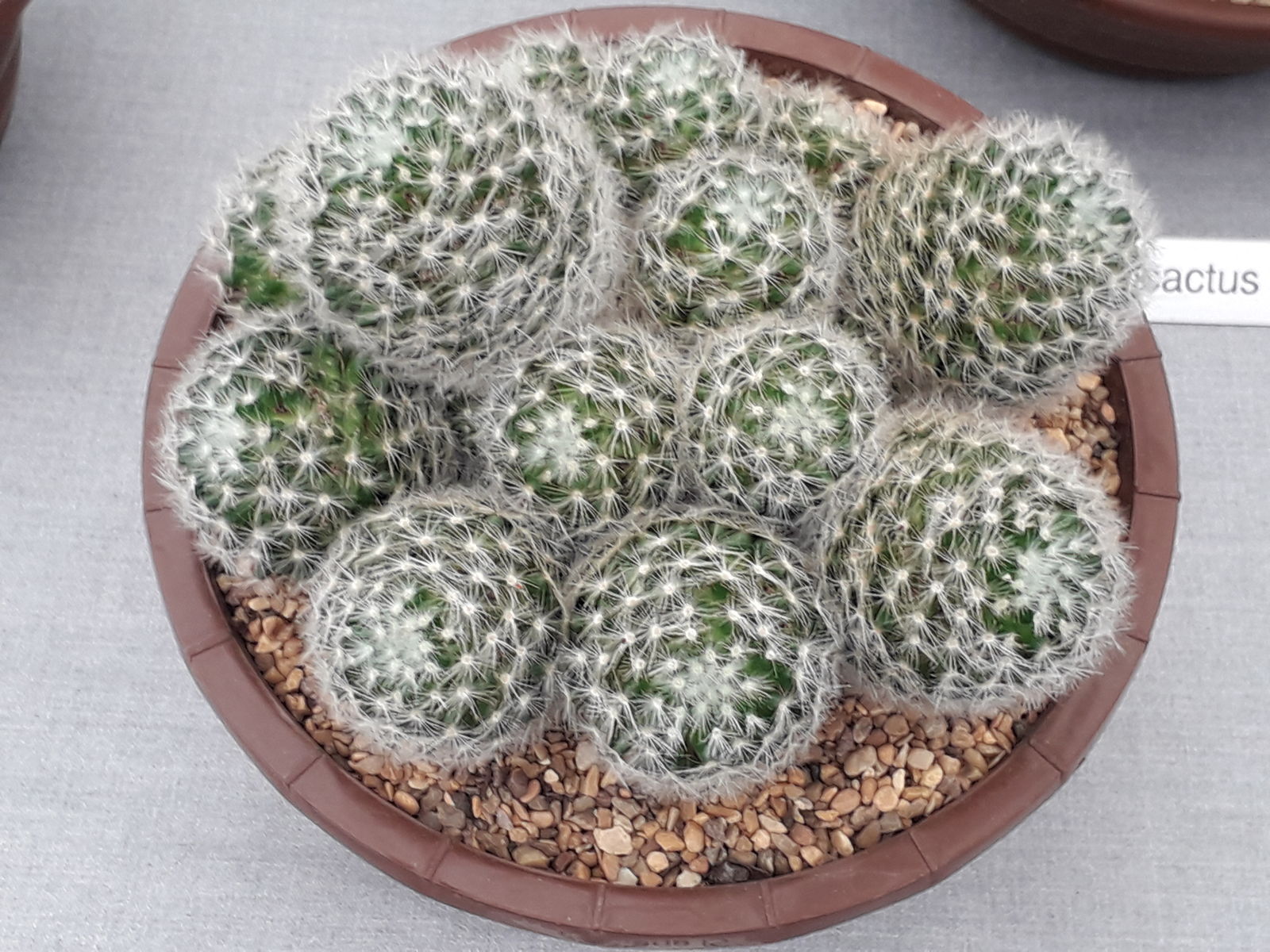 Reference image
Lau's Mammillaria
Mammillaria laui is a highly prized cactus species among succulent enthusiasts, known for its dense, soft-looking white to golden spines and attractive pink flowers. This clustering succulent subshrub has a compact growth habit that makes it ideal for container culture.
Belonging to the genus Mammillaria within the family Cactaceae, this species was discovered by and named after the renowned botanist Alfred Bernhard Lau 1. The genus name refers to the distinctive nipple-like tubercles that cover the plant body.
This species is endemic to Mexico, primarily found in the eastern regions such as Tamaulipas 2. It grows natively on steep limestone slopes, rocky crevices, and dry shrublands at elevations between 1,000 and 1,600 meters above sea level.
The stems are globose to short cylindrical, clustering freely from the base to form dense cushions. The plant is heavily covered with numerous fine, bristly radial spines that give it a woolly appearance. In spring and summer, it produces small, funnel-shaped, vibrant pink to magenta flowers arranged in a ring near the stem apex.
Mammillaria laui requires excellent drainage and bright, filtered sunlight to thrive 1. Watering should be thorough but infrequent, allowing the potting medium to dry out completely between applications. During winter dormancy, watering must be suspended almost entirely to prevent root decline.
The most prevalent issue is root rot, caused by heavy, clay-rich soils or overwatering during the cold season. Insufficient light exposure will lead to etiolation, causing the stems to stretch abnormally and lose their dense spination.
Bright, filtered sunlight with protection from intense afternoon heat.
Allow soil to dry out completely; keep nearly dry in winter.
Gritty, mineral-rich mix containing plenty of pumice or perlite.
Spines are fine and can prick, but the plant is non-toxic to pets.
Easy to care for if overwatering and poor drainage are avoided.
Native to the semi-arid mountainous zones of eastern Mexico, where it grows tucked into crevices of steep limestone rocks and under the light shade of desert shrubs.
