
Light
Bright Indirect Light
Thrives in bright, indirect light or filtered morning sun. Avoid direct scorching midday sun.
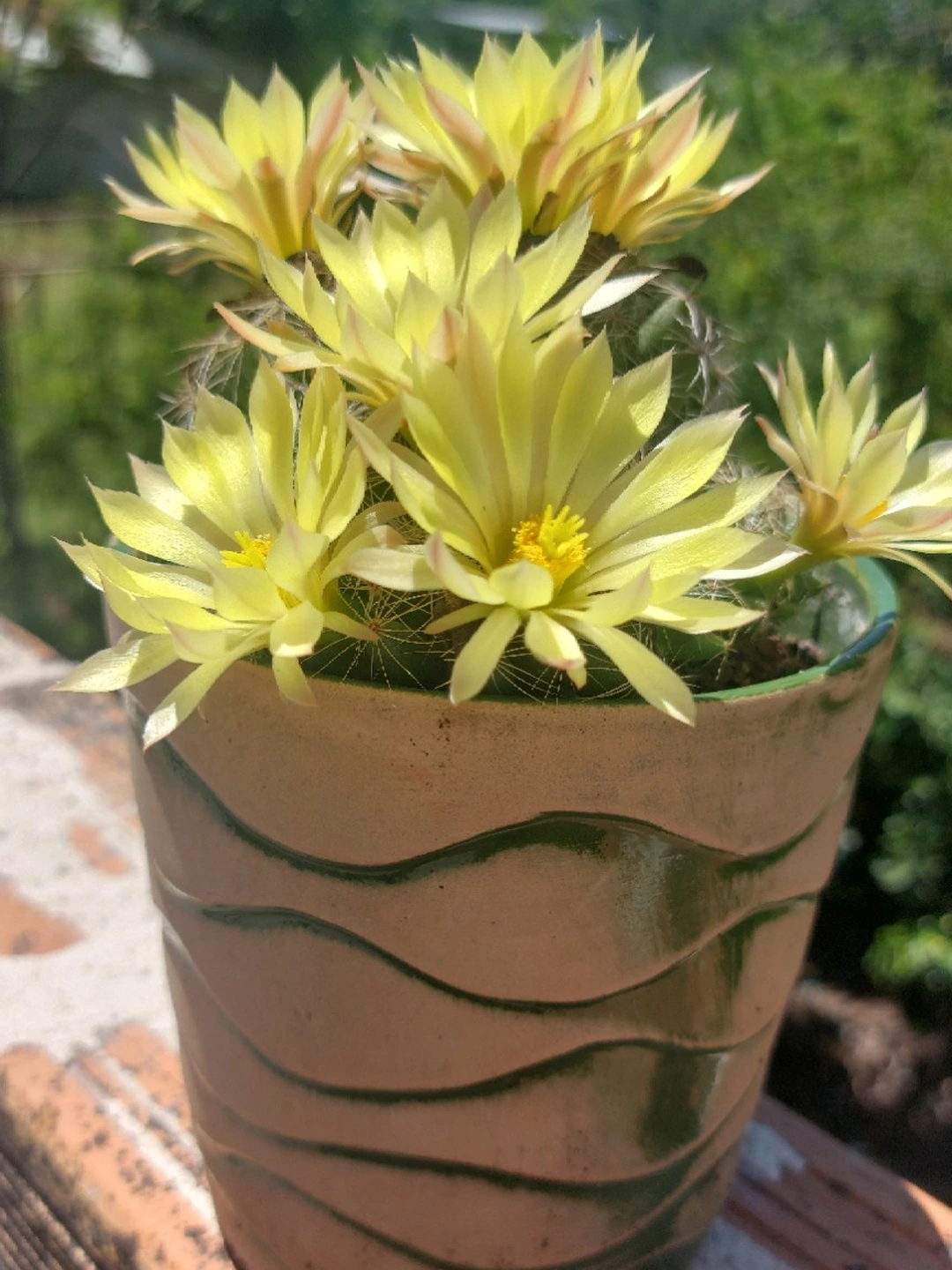
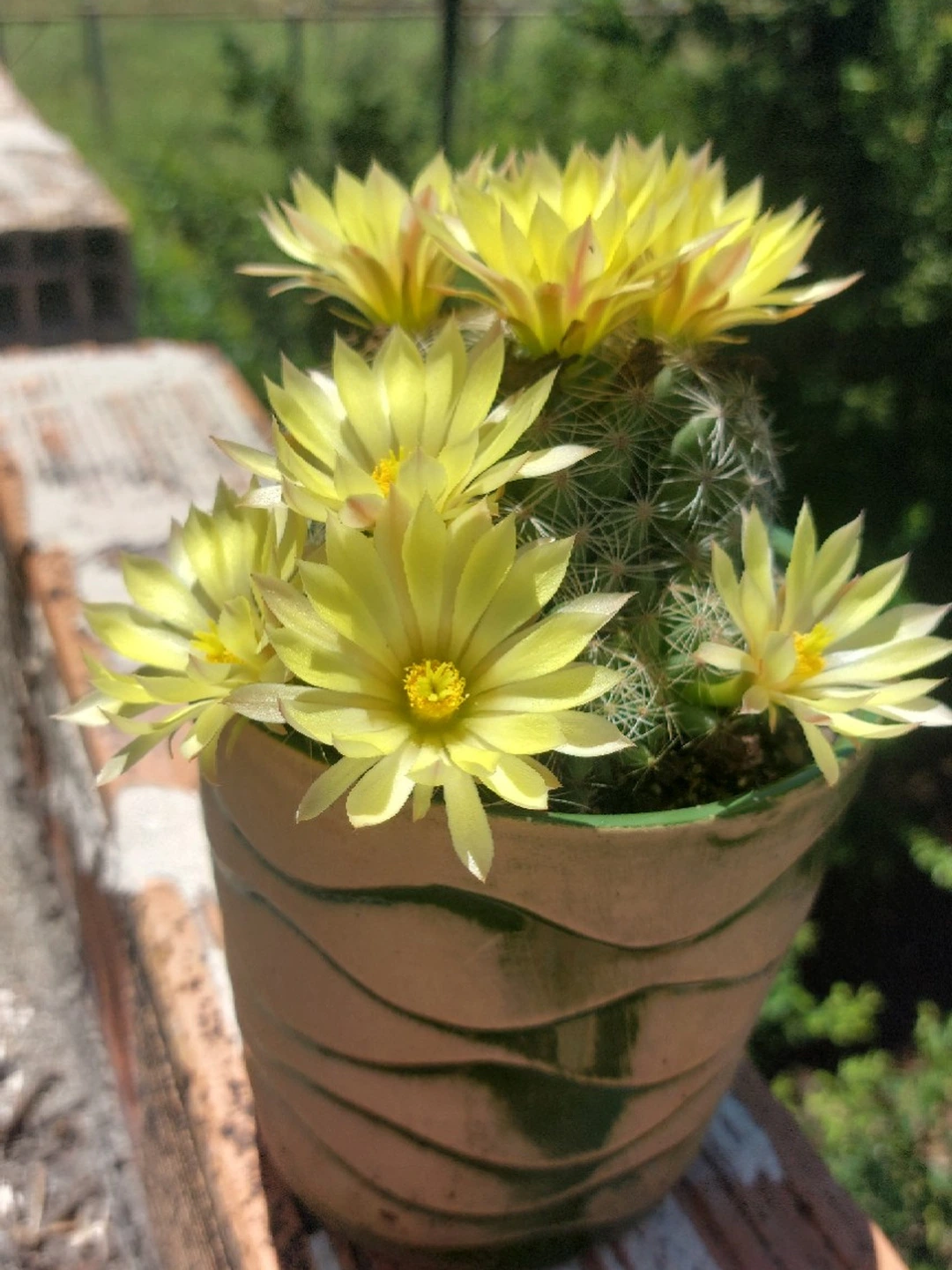
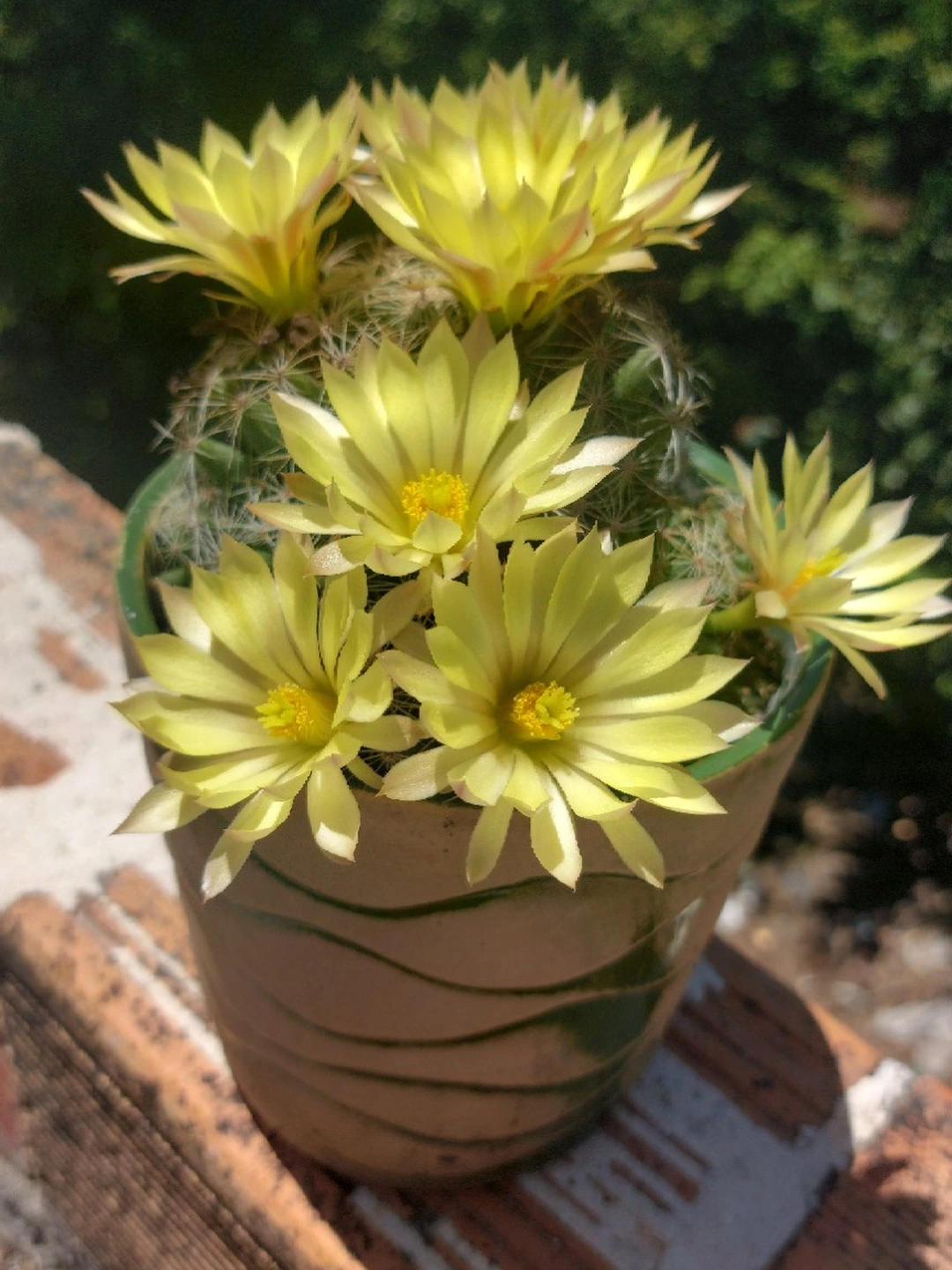
Finger Cactus
Mammillaria longimamma is an iconic succulent species within the Cactaceae family, highly sought after by collectors for its unusual, elongated morphology. Commonly known as the Finger Cactus or Nipple Cactus, it stands out from other members of its genus due to its solitary or clustering habit and remarkably prominent tubercles 1.
This species was formally described in 1829 by the Swiss botanist Augustin Pyramus de Candolle. The specific epithet 'longimamma' translates from Latin as 'long nipple' or 'long breast', pointing directly to the unusually long, finger-like tubercles that characterize the species' stem 2.
Endemic to central Mexico, specifically the states of Hidalgo, Querétaro, and San Luis Potosí. It thrives in dry deciduous shrublands and oak forests at elevations of 1,000 to 2,400 meters, typically growing on limestone soils sheltered under low bushes 1.
The plant produces globose to cylindrical stems that offset from the base to form dense cushions. The tubercles are soft, green, and finger-like, reaching up to 5 cm in length. Areoles at the tubercle tips bear yellowish-white spines. In late spring, it produces large, bright yellow, funnel-shaped flowers up to 6 cm wide 2.
This species prefers exceptionally well-draining mineral soil with high pumice or grit content. It requires bright, indirect sunlight, as harsh direct midday summer sun can scorch its soft tissues. Water thoroughly only when the soil is completely dry, and keep dry in winter 1.
Overwatering is the primary cause of failure, leading to root rot and tubercle collapse. Lack of adequate light results in etiolation, where the tubercles lose their compact form and stretch weakly toward light sources.
Thrives in bright, indirect light or filtered morning sun. Avoid direct scorching midday sun.
Strict 'soak and dry' method. Water only when dry, and withhold water during winter dormancy.
Provide highly porous mineral mix containing pumice, grit, and very little peat.
Non-toxic to pets, but has sharp spines that can cause mechanical injury if handled roughly.
Very easy for beginners, provided that winter dryness and excellent soil drainage are maintained.
Native to the high-altitude semi-desert regions and limestone hillsides of Hidalgo, Querétaro, and San Luis Potosí in central Mexico.
