
Light
Bright Indirect Light
Requires at least 4-6 hours of direct sun or very bright indirect light daily.
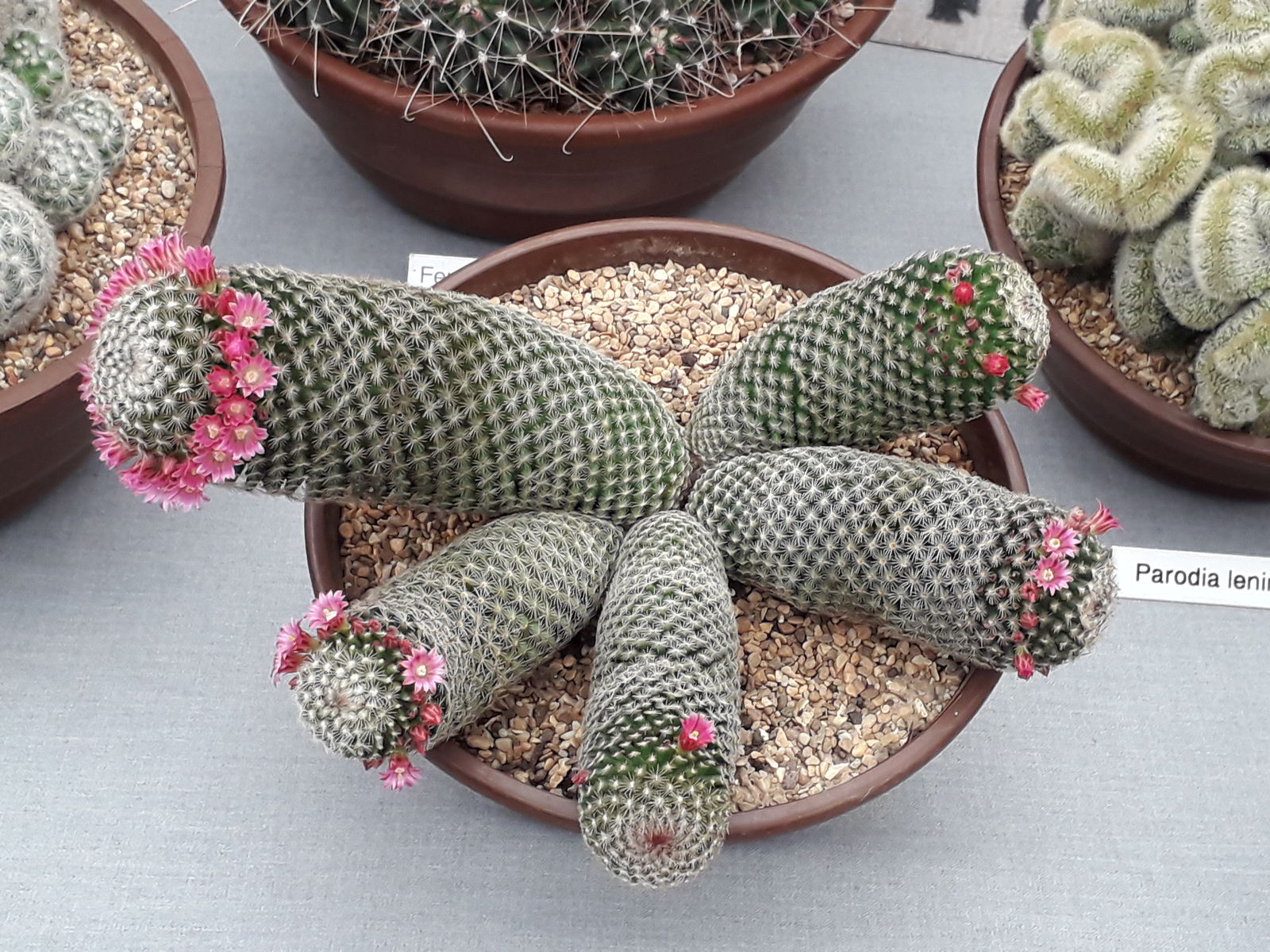 Reference image
Matuda's Pincushion Cactus
Mammillaria matudae is a perennial succulent subshrub belonging to the species-rich genus Mammillaria in the family Cactaceae. Known for its cylindrical stem structure, this cactus typically grows solitary at first, eventually clustering from the base to form column-like groups 1. It is highly prized in collections for its vibrant pink-purple flowers that bloom in a neat ring near the crown.
This species was first formally described in 1956 by the prominent Mexican botanist Helia Bravo-Hollis. The specific epithet "matudae" honors Eizi Matuda, a distinguished Japanese-Mexican botanist who made extensive contributions to the study of Mexican flora 2.
Mammillaria matudae is endemic to Mexico, specifically found in the states of Guerrero, Michoacán, and Estado de México 1. It thrives in dry deciduous forests, rocky cliffs, and arid shrublands, typically growing in volcanic rock crevices at elevations between 700 and 1200 meters above sea level.
The stems are cylindrical, erect or decumbent, reaching 10-20 cm in height and 3-5 cm in diameter. The body is covered with conical tubercles. Areoles bear 18-20 needle-like, white radial spines and usually a single central spine. The funnel-shaped flowers are bright magenta or rose-pink, forming a distinctive crown around the upper stem.
This species requires plenty of bright, indirect sunlight or filtered direct sun. Water thoroughly during the summer only when the substrate is completely dry, and suspend watering almost entirely during the winter dormancy 2. Excellent drainage is critical, making a mineral-heavy, pumice-rich soil mix essential.
The most frequent mistake is overwatering, especially during winter, which quickly leads to root and stem rot. Insufficient light causes the cactus to stretch and lose its compact shape, a process known as etiolation.
Requires at least 4-6 hours of direct sun or very bright indirect light daily.
Water only when soil is 100% dry; keep almost completely dry in winter.
Highly porous, grit-based soil mix containing pumice, sand, and minimal peat.
Non-toxic to pets, but has sharp spines that can cause physical injury.
Easy; perfect for beginners who can resist the urge to overwater.
Endemic to the southwestern regions of Mexico, where it populates rocky hillsides and dry deciduous shrublands in warm climates.
