
Light
Bright Indirect Light
Requires bright indirect light or partial morning sun; shield from harsh afternoon summer rays.
 Reference image
 Reference image
Meyran's Nipple Cactus
Mammillaria meyranii is a charming, slow-growing succulent subshrub native to the arid environments of Mexico. Known for its cylindrical stem and neat spination, it is highly valued in the global succulent trade.
Belonging to the Cactaceae family under the diverse genus Mammillaria, this species was named to honor the distinguished Mexican botanist Dr. Jorge Meyrán 1. It shares classic characteristics of the genus, including distinct tubercles instead of ribs.
This species is native to the central and southern regions of Mexico, primarily found in states like Guerrero and Michoacán. It thrives on limestone rock outcrops and within dry deciduous shrublands at moderate elevations 2.
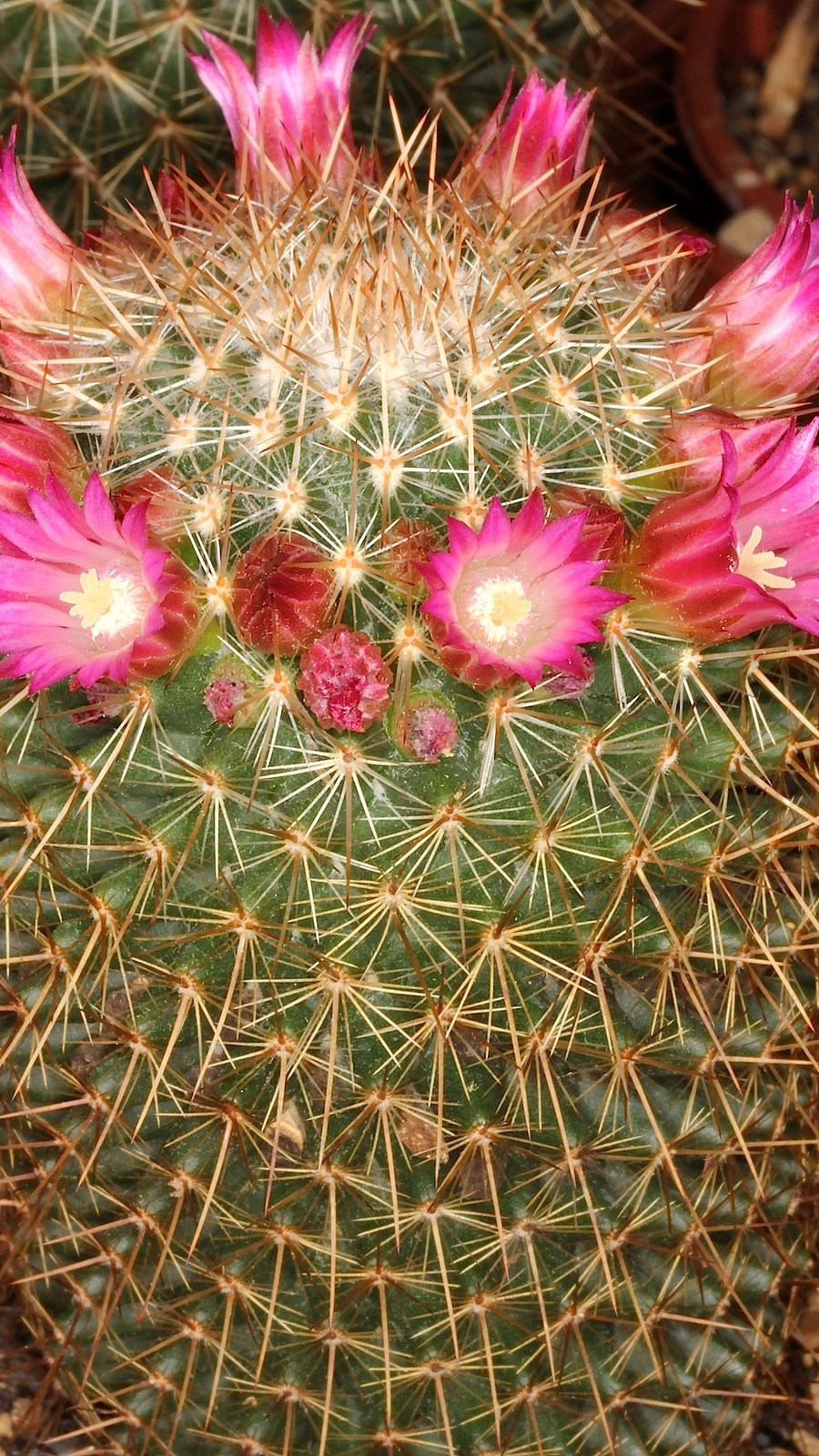
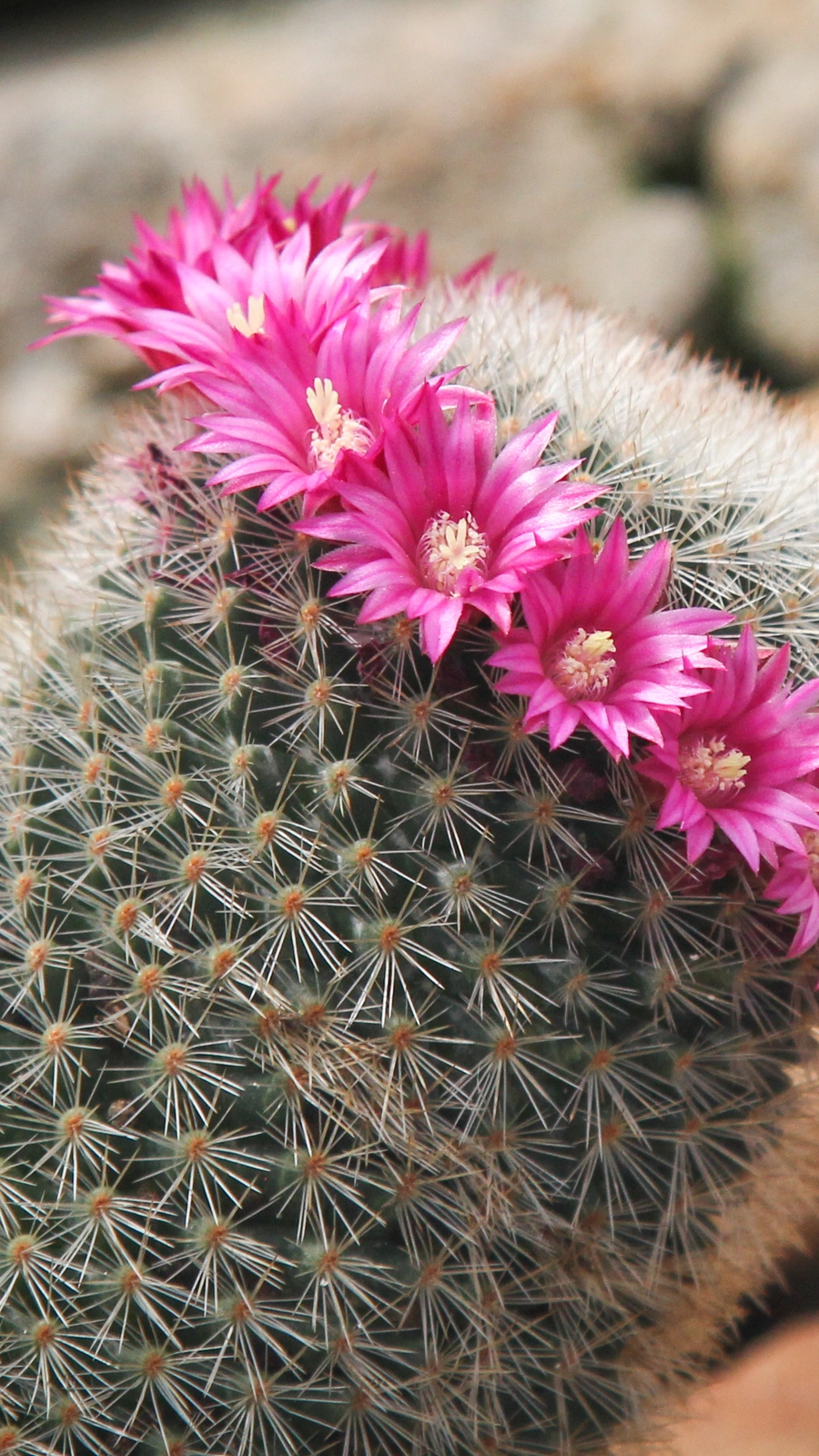
The body is cylindrical, pale to dull green, and can clump slowly from the base. It features prominent conical tubercles topped with white woolly areoles. Radial spines are numerous and glass-white, while the central spines are reddish-brown, lending a warm hue to the plant. Small, vibrant pink to magenta flowers appear in a crown-like arrangement near the apex during spring.
It demands bright, filtered sunlight and excellent ventilation. Watering must follow a strict soak-and-dry cycle, ensuring the substrate dries out completely. During its winter dormancy, watering should be suspended, and the plant must be kept in cool, dry conditions.
Overwatering and using heavy, clay-rich soils are the main causes of plant loss, leading to devastating root rot. Inadequate light exposure leads to etiolation, causing the symmetrical cylindrical stem to stretch and weaken.
Requires bright indirect light or partial morning sun; shield from harsh afternoon summer rays.
Allow soil to dry out completely between waterings. Reduce watering to a bare minimum in winter.
Requires a highly porous, gritty substrate containing pumice, perlite, and coarse sand.
Non-toxic, but features sharp spines that can cause mechanical injury; handle with care.
Very easy to care for, making it ideal for beginners who can avoid the urge to overwater.
Native to the central and southern arid zones of Mexico, where it typically colonizes steep limestone cliffs and gravelly desert soils.
