
Light
Bright Indirect Light
Requires bright light to partial sun to maintain its dense spination and prevent etiolation.
 Reference image
Many-Spined Nipple Cactus
Mammillaria multicentralis is a fascinating cactus species belonging to the diverse and highly popular genus Mammillaria within the family Cactaceae. It is highly valued by succulent collectors for its symmetrical growth form and dense, protective network of spines 1.
The specific epithet multicentralis is derived from Latin, translating to 'many central spines.' This name accurately describes the prominent feature of its areoles, which present more central spines than typical members of the genus, helping to shade the plant body from intense solar radiation 2.
This species is native to the arid and semi-arid regions of northeastern and central Mexico. It can be found growing in states like Nuevo León, Coahuila, and San Luis Potosí, typically colonizing limestone rocky outcrops, gravelly slopes, and desert scrublands 1.
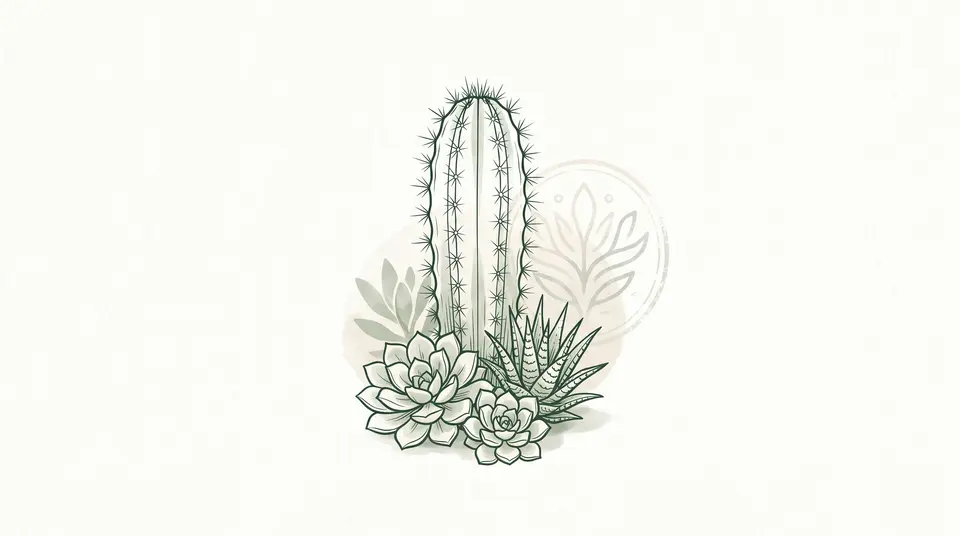
The stem of Mammillaria multicentralis is usually solitary but may offset from the base as it matures, forming small clumps. The globular to cylindrical body features prominent green tubercles. Each areole is armed with numerous fine, white radial spines and several stouter, yellowish to brown central spines pointing outwards. In late spring, it produces a halo of small, bell-shaped pink to cream flowers near the apex 2.
This species is relatively easy to cultivate, making it suitable for container gardening. It requires a highly mineral-based soil mix and plenty of bright, filtered sunlight to keep its compact shape. During winter dormancy, keeping the soil completely dry is crucial to prevent root rot 1.
Overwatering is the primary cause of failure. Inadequate ventilation combined with wet soil in cold weather triggers fungal root rot, which can destroy the specimen within days.
Requires bright light to partial sun to maintain its dense spination and prevent etiolation.
Allow the potting medium to dry out completely between waterings. Keep dry in winter.
Requires a gritty, well-draining mineral mix with plenty of pumice and gravel.
Non-toxic to pets, but has sharp spines that can cause physical injury upon contact.
Easy; highly tolerant of neglect if not overwatered.
Naturally distributed across the arid high-altitude deserts of northern and central Mexico, growing in crevices of limestone hills and gravelly flats.
