
Light
Bright Indirect Light
Requires bright indirect light. Avoid scorching midday sun, but some morning or late afternoon direct sunlight is highly beneficial.
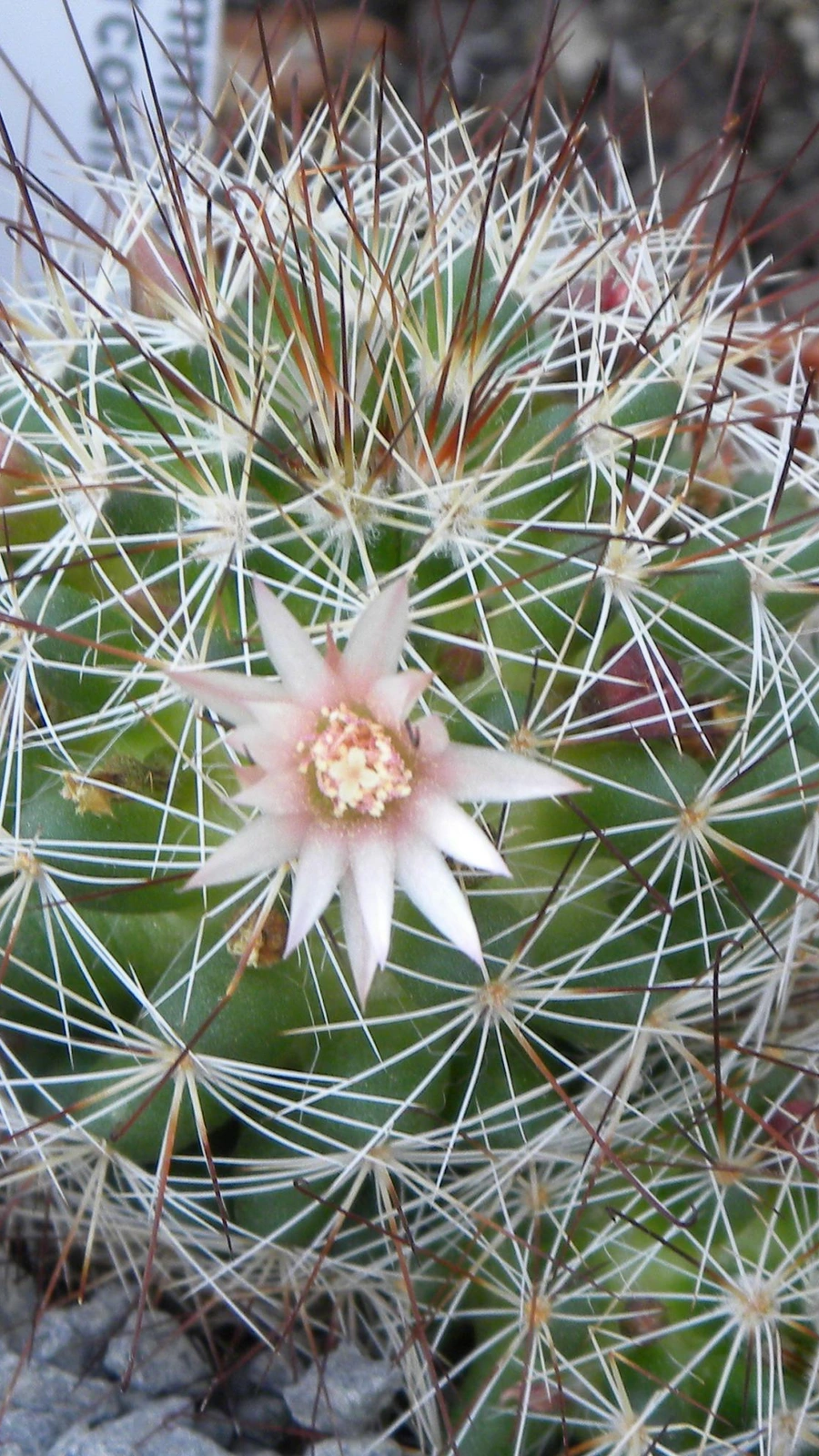 Reference image
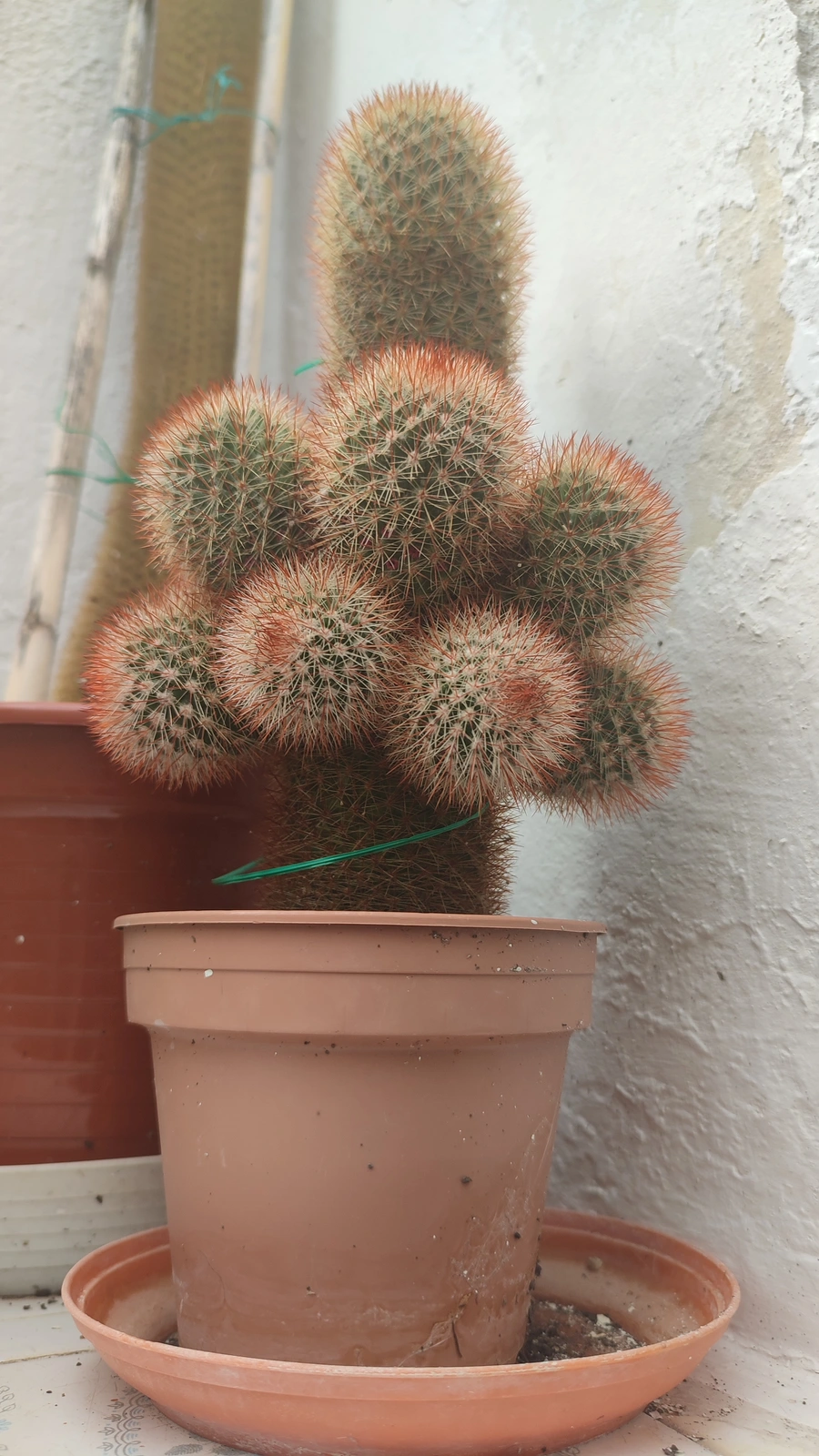 Reference image
Many-hooked Nipple Cactus
Mammillaria multihamata is a small, globose cactus species belonging to the highly diverse Mammillaria genus in the Cactaceae family. Highly appreciated among succulent collectors, it is well-known for its intricate spination with distinctive hooked central spines and rings of delicate blossoms.
The species was formally classified within the genus Mammillaria, which derives its name from the Latin word for 'nipple' or 'teat', referring to the prominent tubercles covering the stem 1. The specific epithet 'multihamata' means 'many-hooked', referencing the numerous hooked spines that protrude from each areole.
Mammillaria multihamata is native to the arid and semi-arid desert regions of Mexico, including states such as Durango, Coahuila, San Luis Potosí, and Nuevo León 2. It typically grows on limestone hillsides, gravelly plains, and rocky crevices, often seeking shelter under low desert shrubs.
The plant has a globose to shortly cylindrical, bright green stem that can grow solitary or form small clumps over time. Tubercles are conical, bearing areoles with numerous glassy-white radial spines. The central spines, which are reddish-brown or yellowish, are characteristically hooked. Flowers are small, funnel-shaped, cream-colored to pale yellow, and appear in a ring near the crown.
This cactus prefers plenty of bright indirect light, with some direct morning sun. It requires an open, mineral-rich gritty soil mix that drains rapidly. Water deeply only when the substrate has dried out completely, and keep the plant dry during its winter dormancy.
Overwatering is the primary cause of failure, leading to root rot. Keeping the cactus in a cold, damp environment during winter can cause fungal infections and damage the epidermis.
Requires bright indirect light. Avoid scorching midday sun, but some morning or late afternoon direct sunlight is highly beneficial.
Allow the potting soil to dry out 100% before watering again. During winter dormancy, reduce watering to once a month or less.
Use a specialized fast-draining cactus mix consisting of potting soil, coarse sand, pumice, and perlite.
Non-toxic, but the sharply hooked central spines can easily snag on skin, clothing, or pet fur. Handle with caution.
Very easy to maintain, making it ideal for beginners who can resist the urge to overwater.
Found naturally in the high-altitude desert plateaus of Mexico, growing amidst rocky gravel and sparse vegetation.
