
Light
Direct Sun
Requires full sun to direct bright light. Inadequate light leads to etiolation.
 Reference image
 Reference image
Mustache Pincushion Cactus
Mammillaria mystax is an attractive, globose to cylindrical succulent subshrub belonging to the species-rich genus Mammillaria within the Cactaceae family. It is highly valued among collectors for its dramatic, twisting spine clusters 1.
This species was first described in 1838 by the German botanist Carl Friedrich Philipp von Martius. The specific epithet "mystax" is derived from the Greek word for mustache, referencing the long, twisting central spines that resemble mustache hairs 2.
Mammillaria mystax is endemic to southern and central Mexico, predominantly found in the states of Puebla, Oaxaca, and Guerrero. It thrives in dry shrublands, deciduous forests, and limestone rocky slopes at elevations ranging from 1,000 to 2,600 meters above sea level 1.
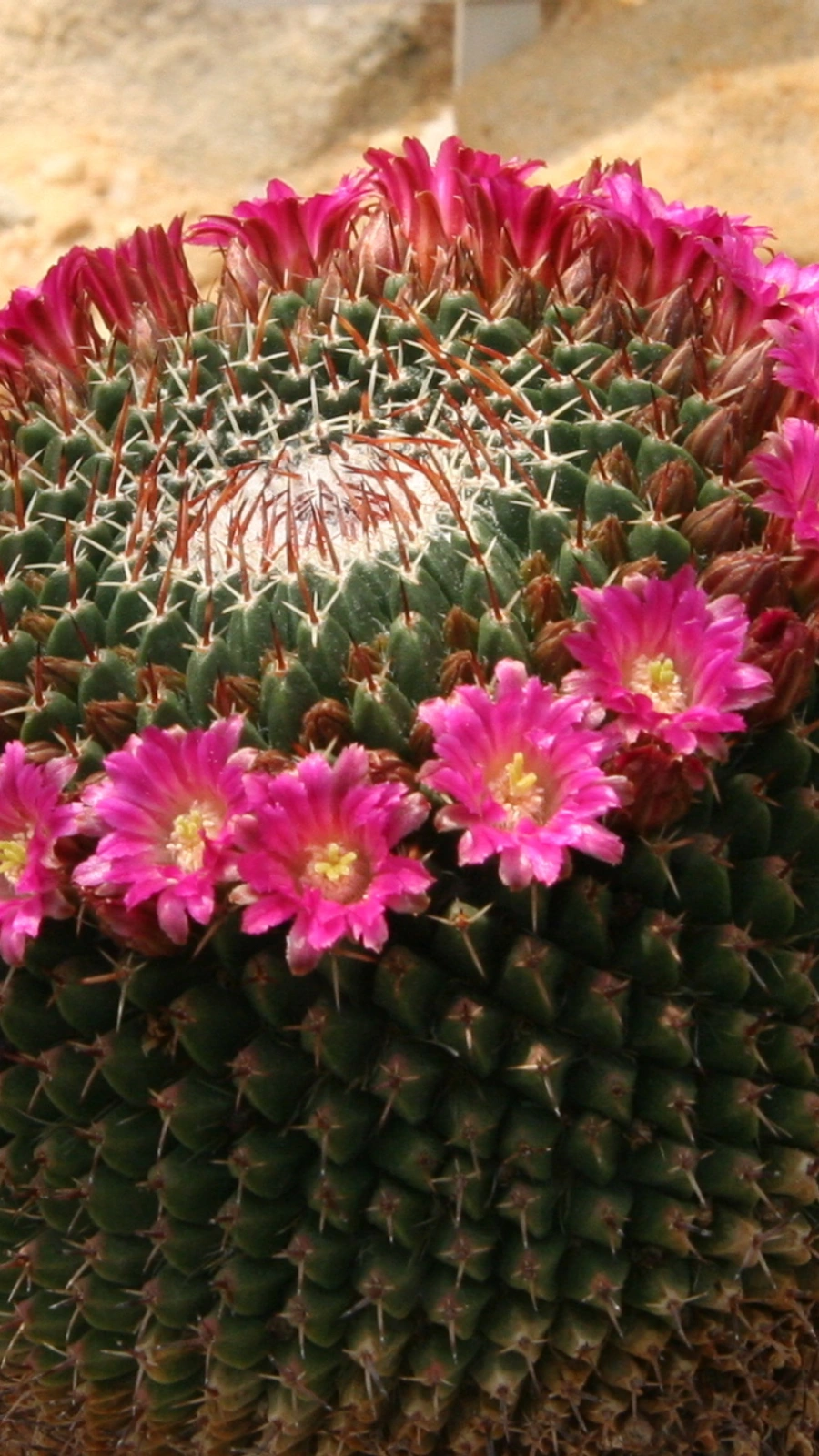
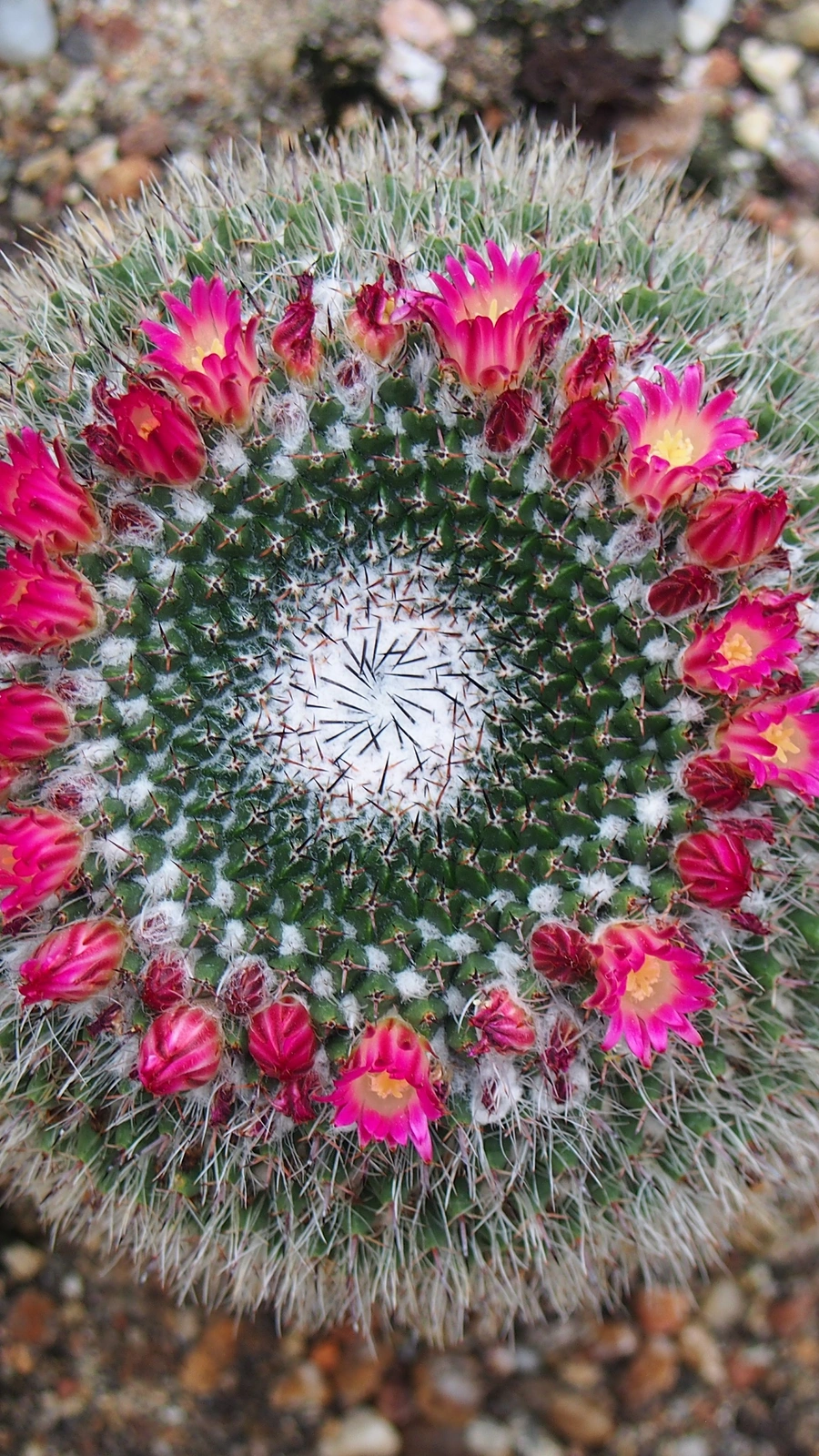
The plant body is dark green, covered in tightly arranged pyramidal tubercles. The axils between these tubercles feature white wool and occasional bristles. Its most striking feature is the set of 1 to 4 central spines, which can grow up to 7 cm long, curving gracefully upward. In late spring, a ring of small, vivid magenta to purplish-red flowers appears near the crown of the stem 2.
In cultivation, it requires maximum sunlight to maintain its dense spine structure and deep coloration. The potting medium must be highly porous. Water thoroughly in summer only after the soil has dried out completely, and keep dry in winter.
Overwatering during the cold winter dormancy is the leading cause of root rot. Lack of sufficient direct sunlight results in weak, pale growth and reduced spine development.
Requires full sun to direct bright light. Inadequate light leads to etiolation.
Water deeply only when soil is completely dry. Keep dry throughout winter.
Use a mineral-heavy potting mix with plenty of pumice, perlite, and coarse sand.
Sharp, prominent spines can cause skin irritation; handle with care and keep away from pets.
Very easy to care for if overwatering is avoided and strong light is provided.
Native to the high-elevation arid valleys and steep limestone slopes of central and southern Mexico, growing among dry shrubs and oak woodlands.
