
Light
Bright Indirect Light
Bright indirect light or filtered sun is ideal. Avoid harsh, direct afternoon sun.
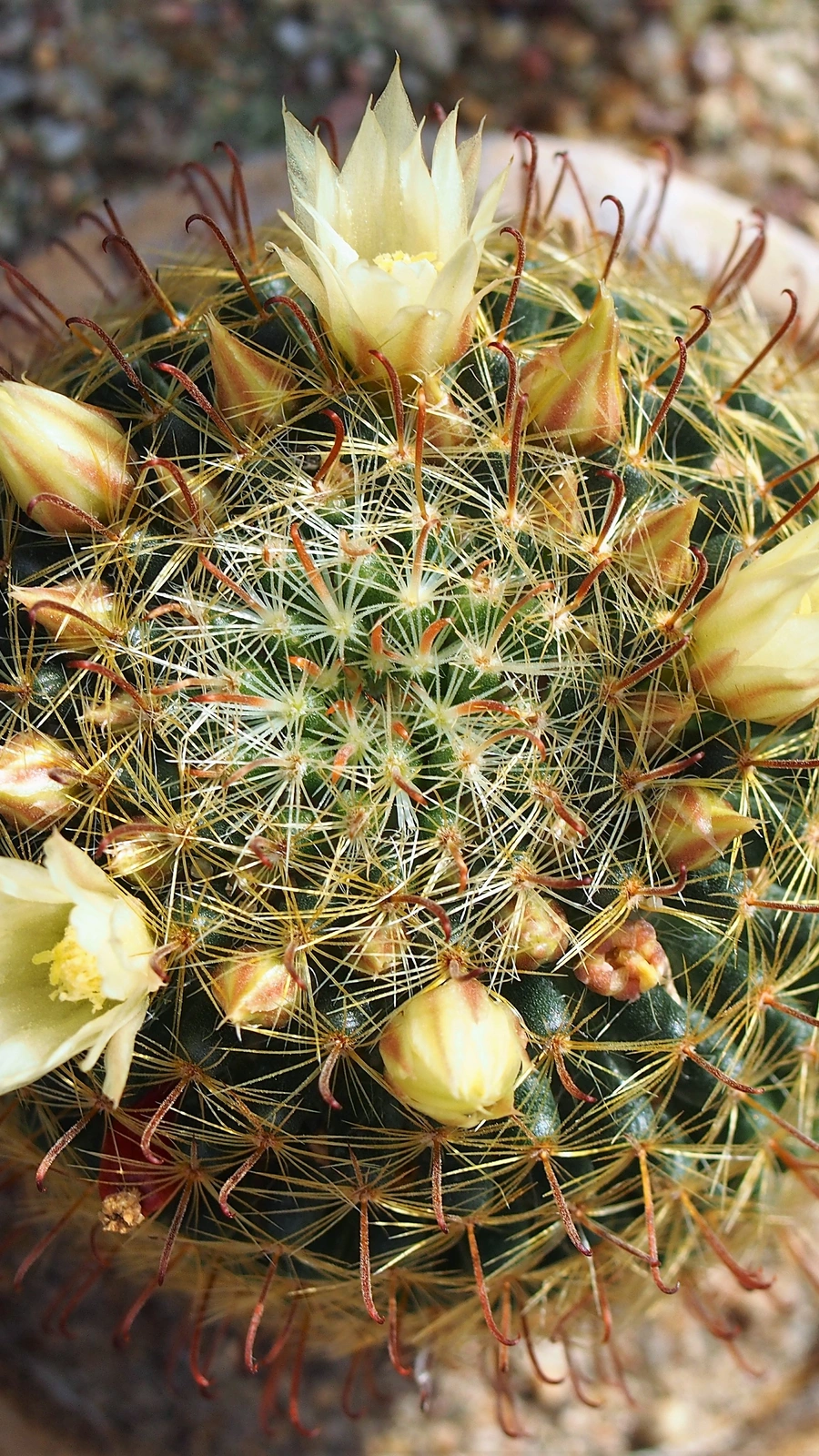 Reference image
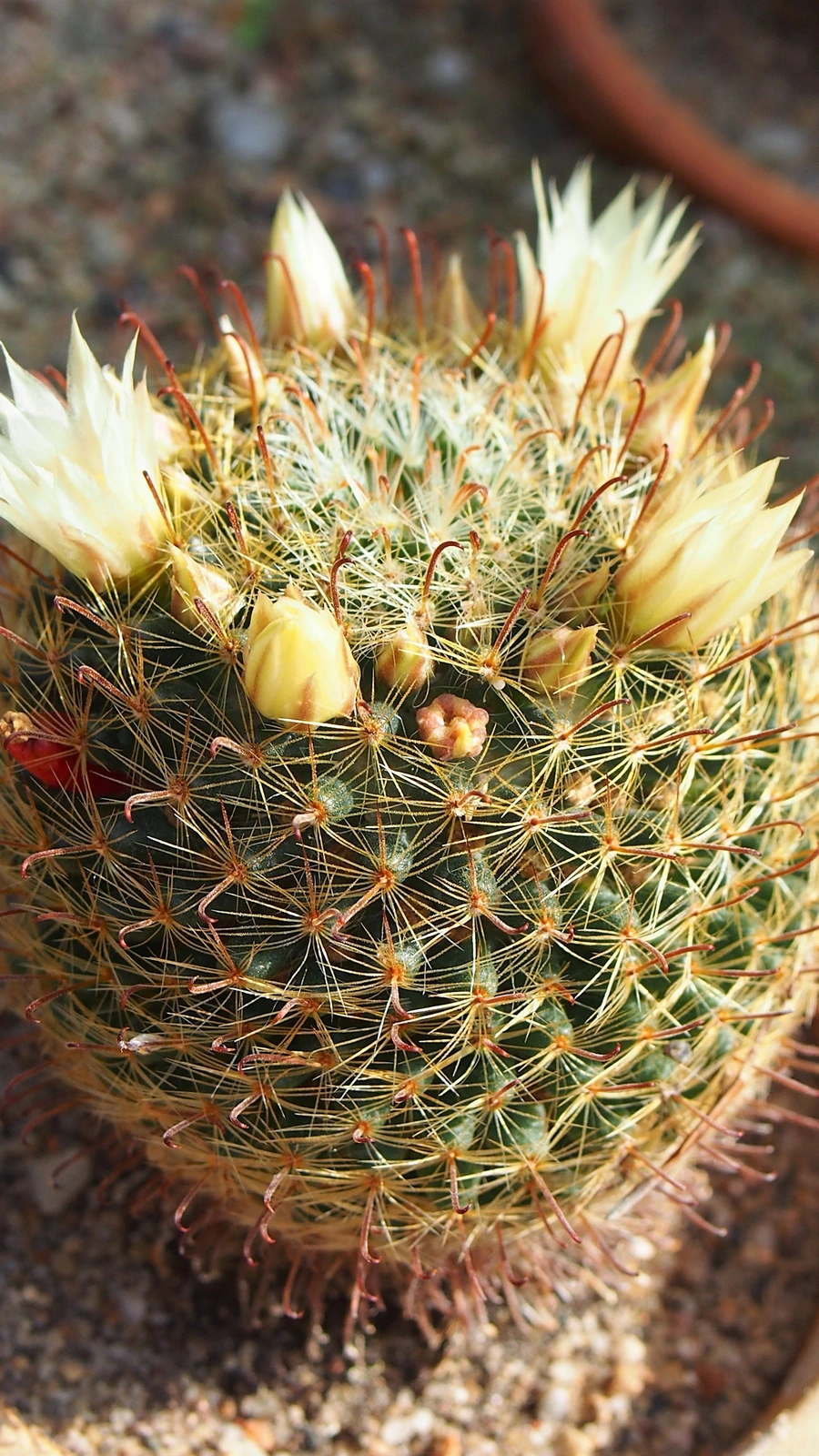 Reference image
Dwarf Mammillaria
Mammillaria nana is a small, slow-growing succulent subshrub belonging to the Cactaceae family. Highly appreciated by succulent enthusiasts, this miniature cactus is known for its compact globular habit and delicate spination, making it perfect for small container culture and rockeries.
Classified under the genus Mammillaria, its specific epithet "nana" originates from the Latin word for dwarf, referencing its exceptionally miniature stature 1. The taxon displays close evolutionary relationships within the Mammillaria crinita species complex, with some debate remaining regarding its exact subspecies boundaries.
Native to the arid highlands of central and northern Mexico, Mammillaria nana is found in states such as San Luis Potosí, Querétaro, Guanajuato, and Zacatecas 2. It typically populates desert shrublands and dry valleys, growing tucked into limestone crevices or under the protective shade of nurse plants to escape the intense sun.
The individual stems of this cactus are globose to flattened-globose, rarely exceeding 5 cm in diameter. The plant has prominent tubercles arranged in spirals. Areoles produce numerous white, hair-like radial spines and occasional central spines, which can be hooked. It produces small, delicate cream, pale yellow, or pale pink flowers in late spring.
In cultivation, Mammillaria nana thrives with minimal attention. It prefers bright, filtered sunlight and a highly porous growing medium. Watering should follow a soak-and-dry regimen. During the winter, it must be kept almost completely dry under cool conditions to induce its natural dormancy 1.
The most prevalent threat is root rot caused by overwatering or compacted soil. Insufficient light will cause the stems to etiolate (stretch out weakly). Prolonged high humidity without adequate air circulation can also lead to fungal infections.
Bright indirect light or filtered sun is ideal. Avoid harsh, direct afternoon sun.
Allow soil to dry out completely between waterings. Reduce watering to a minimum in winter.
Highly porous, grit-based soil with excellent drainage properties to prevent rot.
Non-toxic to pets, but possesses sharp, hooked spines that require careful handling.
Very easy for beginners, provided that overwatering is strictly avoided.
Found in the arid and semi-arid desert regions of central and northern Mexico, inhabiting rocky limestone slopes and dry shrublands where it grows under the shelter of local desert vegetation.
