
Light
Bright Indirect Light
Bright indirect light or filtered morning sun; protect from harsh, scorching afternoon rays.
 Reference image
 Reference image
Otero's Pincushion Cactus
Mammillaria oteroi is a highly sought-after miniature species within the Cactaceae family. Known among collectors for its clumping habit, tiny globular stems, and delicate pale yellow to cream-colored flowers that emerge in spring, this species is ideal for indoor cultivation and small container gardens 1.
This species was named in honor of Felipe Otero, a prominent Mexican botanist and explorer who made significant contributions to the study of Mexican cacti. Belonging to the vast genus Mammillaria, it is characterized by its distinct spine structure and tendency to form dense, low-growing mounds 2.
Mammillaria oteroi is endemic to the subtropical dry forests and steep limestone canyons of Oaxaca, Mexico. In its native habitat, it grows in rock crevices where it benefits from sharp drainage and shelter provided by surrounding vegetation 1.
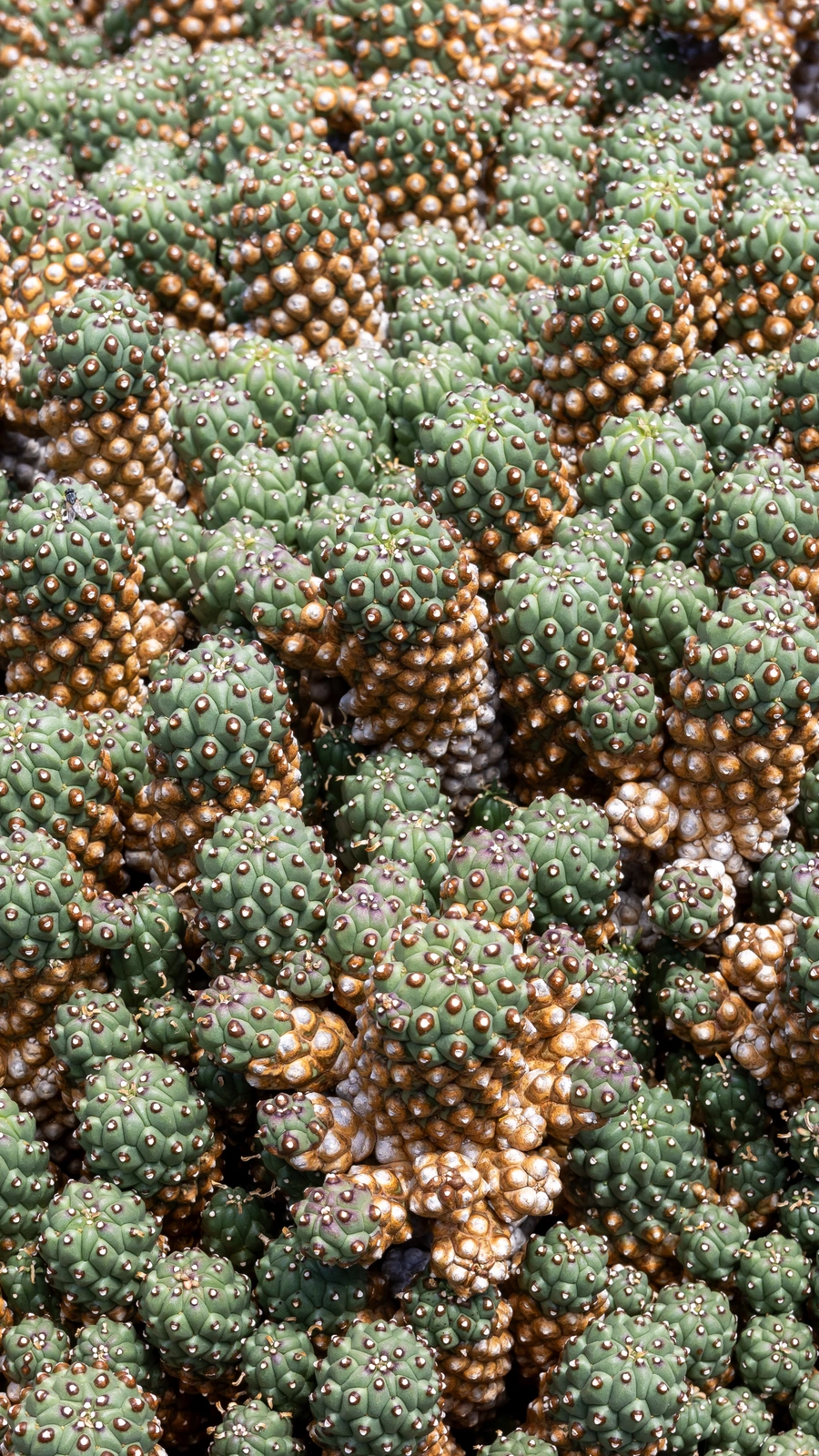
The individual stems are globose to short cylindrical, reaching up to 3-4 cm in diameter. It readily offsets from the base to form dense cushions. Each tubercle bears numerous fine, whitish-brown radial spines and occasionally a slightly hooked central spine. The spring flowers are cream-colored with light brownish-red midstripes 2.
In cultivation, this cactus requires a highly mineral soil mix to prevent water retention. Water thoroughly only when the potting medium has dried out completely during the active growing season. During the winter, keep the plant dry and cool to mimic its natural winter dormancy.
The most frequent error is overwatering, especially during the cold winter months when the plant is dormant. This quickly leads to root rot. Insufficient light exposure will also cause etiolation, stretching the natural compact globose form.
Bright indirect light or filtered morning sun; protect from harsh, scorching afternoon rays.
Water moderately in summer when dry, and withhold water almost completely during winter dormancy.
Mineral-rich soil containing pumice, perlite, and coarse sand with very little organic peat.
Non-toxic to pets, but the spines can cause mild physical irritation; keep out of reach of curious animals.
Very easy for beginners, provided they avoid overwatering and use extremely porous soil.
Endemic to the rugged limestone cliffs and subtropical dry shrublands of Oaxaca, Mexico, where it thrives in well-aerated rocky pockets.
